LICO Materials, an integrated battery circularity company, has partnered with electric two-wheeler manufacturer Ather Energy to develop a system for collecting and recycling end-of-life lithium-ion batteries, marking a step towards building a circular battery economy in India.
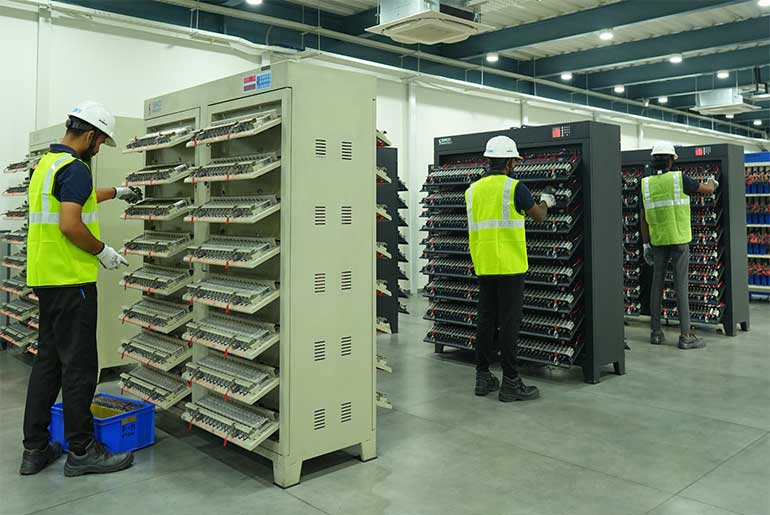
Under the partnership, end-of-life lithium-ion batteries from Ather’s electric vehicle fleet will be recycled at LICO Materials’ processing facility in Karnataka. The recovered materials—including lithium, nickel, cobalt, graphite, and copper—will be fed back into the battery supply chain for use by cell manufacturers and electric vehicle (EV) original equipment manufacturers (OEMs).
The collaboration comes as India’s EV market continues to expand, increasing the need for sustainable battery waste management and critical mineral recovery. India currently lacks domestic reserves of key battery minerals and relies heavily on imports, exposing the sector to supply chain disruptions, price volatility, and geopolitical risks.
Commenting on the partnership, Gaurav Dolwani, CEO of LICO Materials, said India is building one of the world’s largest EV fleets without domestic reserves of the minerals required for battery production, making battery circularity essential for reducing import dependence and strengthening the country’s battery supply chain.
According to the company, LICO’s recycling facility can recover up to 95% of valuable materials from end-of-life lithium-ion batteries. These recovered materials can then be reintroduced into battery manufacturing, reducing the need for virgin mining and overseas processing.
Ather Energy, which launched its first electric scooter in 2018, said the partnership will help establish a structured pathway for battery collection, recycling, and material recovery as the adoption of electric two-wheelers continues to grow across the country.
The initiative is aligned with India’s Battery Waste Management Rules (BWMR), 2022, which mandate Extended Producer Responsibility (EPR) across the battery value chain. It also supports the country’s Net Zero 2070 target.
The companies said battery recycling could play a significant role in India’s clean energy transition. By 2050, recycled materials are expected to meet more than 40% of the country’s lithium, nickel, and cobalt demand, create over 106,000 direct green jobs, and prevent more than 2.9 million tonnes of CO₂ emissions.
 Electrify your feed! Click here to join our Whatsapp group and to get the latest updates, expert insights, and innovations driving India’s energy storage revolution.