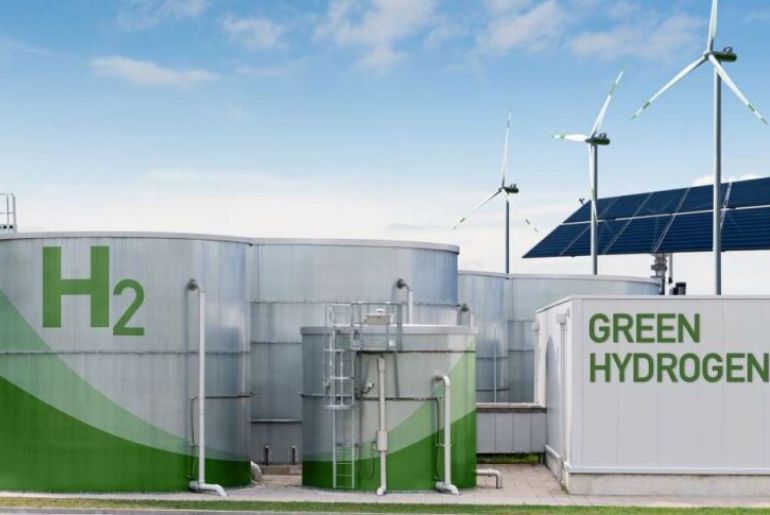
Larsen & Toubro’s green energy arm, L&T Energy GreenTech Ltd (LTEGL), has entered into a long-term agreement with ITOCHU Corporation for the annual supply of 300,000 tonnes of green ammonia, marking a significant step in advancing global decarbonisation efforts in the shipping sector.
Project Scope and Supply Framework
LTEGL will provide green ammonia from its planned production facility in Kandla, Gujarat, on a long-term take-or-pay basis as part of the deal. The deal builds on a joint development agreement signed in July 2025, reflecting a transition from collaborative planning to firm commercial execution.
The supply agreement is meant to help ITOCHU focus more on building a global green ammonia ecosystem, especially along major maritime trade routes.
Driving Maritime Decarbonisation
Green ammonia is emerging as a key alternative fuel to reduce carbon emissions in the shipping industry. The partnership will play a critical role in enabling green bunkering applications, with Singapore one of the world’s leading marine fuel hubs expected to serve as a central distribution point.
- Annual supply: 300,000 tonnes of green ammonia
- Production location: Kandla, Gujarat
- Key use: Marine fuel for shipping decarbonisation
- Focus markets: Singapore and global maritime routes
Kandla’s supplies should help ITOCHU’s bunkering operations in Singapore and other important places, making it easier for green ammonia to be used as a next-generation fuel.
Strategic Context and Industry Momentum
The agreement aligns with India’s broader push toward clean energy, with the country targeting 5 million tonnes of green hydrogen and its derivatives by 2030 through policy support and subsidies.
Indian companies are getting more and more contracts to supply green ammonia to other countries, especially in Japan and South Korea. This shows that India is becoming a bigger part of the global clean energy value chain.
L&T Energy GreenTech strengthens its position in the growing green fuels market with this deal. At the same time, it helps the world cut down on emissions in hard-to-abate sectors like shipping. The partnership also shows how important it is to have integrated green hydrogen and ammonia ecosystems for making the energy transition more sustainable.
 Electrify your feed! Click here to join our Whatsapp group and to get the latest updates, expert insights, and innovations driving India’s energy storage revolution.