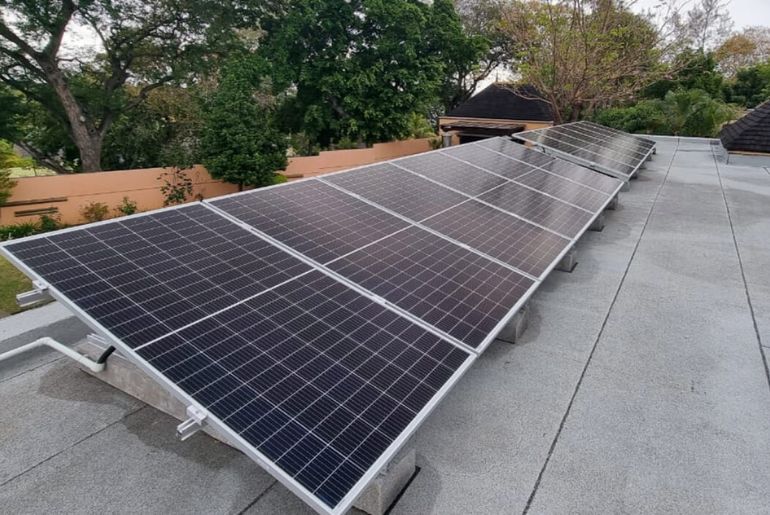
The Ministry of New and Renewable Energy has introduced a key policy update under the PM Surya Ghar: Muft Bijli Yojana (PMSG:MBY), allowing residential consumers to install rooftop solar systems without a Domestic Content Requirement (DCR) certificate if they opt to forgo central financial assistance (CFA). The change was notified through an office memorandum issued on March 30, 2026.
Flexibility for ‘Give It Up’ Option
Under the revised rules, consumers choosing the “Give It Up” option where they voluntarily forgo government subsidy can now submit their rooftop solar installation details on the national portal without requiring a DCR certificate. Previously, even such consumers were mandated to comply with DCR norms.
However, the ministry clarified that once an installation is submitted without a DCR certificate under this option, the decision cannot be reversed. In contrast, applications submitted with a DCR certificate retain the flexibility to modify the “Give It Up” choice until the redemption stage.
Progress Under PM Surya Ghar Scheme
The update comes as the program continues to be very popular across the country. MNRE says that more than 27 lakh rooftop solar installations have already been completed under PMSG:MBY. The goal is to have 1 crore installations in homes.
The move is expected to simplify procedures for consumers who are not seeking subsidies, while also accelerating rooftop solar deployment by reducing compliance requirements.
Alignment with Existing Guidelines
MNRE emphasised that the provision applies strictly to consumers opting out of CFA benefits and remains aligned with existing scheme guidelines. Stakeholders have been advised to continue adhering to the Approved List of Models and Manufacturers (ALMM) and other relevant office memoranda when installing systems without DCR certification.
Boost to Rooftop Solar Adoption
Relaxing DCR rules will probably make it easier for residential customers to switch, especially those who care more about how quickly the installation can be done than about the benefits of subsidies. The ministry wants to help India’s clean energy transition goals by removing procedural barriers and increasing the capacity of rooftop solar panels.
With this policy shift, MNRE continues to balance regulatory compliance with consumer flexibility, enabling wider participation in the country’s rapidly expanding rooftop solar market.
 Electrify your feed! Click here to join our Whatsapp group and to get the latest updates, expert insights, and innovations driving India’s energy storage revolution.