The Ministry of New and Renewable Energy (MNRE) has called on the Central Electricity Regulatory Commission (CERC) to postpone the implementation of stricter regulations that would require wind and solar producers to align more closely with their grid supply commitments. The ministry warned that such a move could discourage investment in the renewable energy sector.
Key Details:
- CERC’s Proposed Regulations: In a draft released in September 2025, CERC proposed tightening the rules for wind and solar power producers under the Deviation Settlement Mechanism (DSM). The new regulations aim to gradually reduce the gap between the electricity committed by producers and the actual amount generated, with plans for implementation set for April 2026.
- MNRE’s Concerns: In a letter to CERC dated October 21, 2025, the MNRE raised concerns about the feasibility of such rules, especially in light of unpredictable weather patterns that can cause forecasting errors. The ministry argued that penalties for these deviations would be “imprudent” since weather-related variability is beyond the control of developers.
- Industry Reactions: Reuters reported that several industry stakeholders have expressed their concerns over the proposed regulations, warning that they could slow down investments in India’s clean energy sector. The MNRE echoed these concerns, stating that increased deviation charges could particularly impact small and medium-sized companies, potentially leading to a “catastrophic effect” on the industry.
MNRE’s Recommendations:
- Consultation with Stakeholders: The MNRE has urged CERC to conduct further consultations with the renewable energy industry before moving forward with the new regulations.
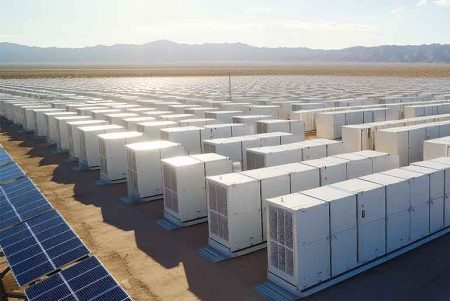
- Clean Energy Storage: The ministry proposed mandating clean energy storage for future projects instead of imposing strict penalties for deviations, suggesting that storage could help address generation variability and improve grid stability.
- Improved Weather Forecasting: The MNRE recommended enhancing the accuracy of weather data to create more realistic forecasting limits, helping to better align wind and solar generation with grid commitments.
India’s Renewable Energy Goals:
India’s renewable energy targets are crucial to its broader energy transition plans. The country aims to double its non-fossil fuel-based power capacity to 500 gigawatts by 2030, with wind and solar playing central roles in meeting these targets.
Neither the MNRE nor the CERC has responded immediately to comment requests. As of now, CERC has not set a date for its final decision on the proposed regulations.
 Electrify your feed! Click here to join our Whatsapp group and to get the latest updates, expert insights, and innovations driving India’s energy storage revolution.