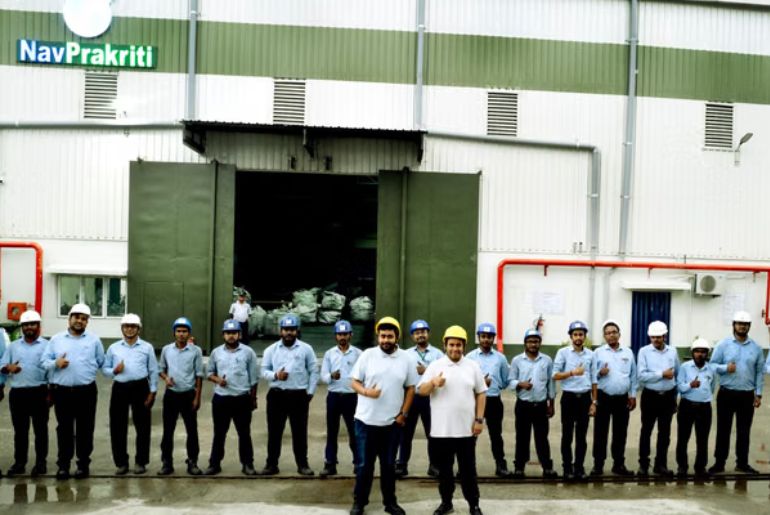
NavPrakriti, a company that recycles lithium-ion batteries and is based in Kolkata, has formed a strategic partnership with NASH Energy, which is part of the NASH Group. The collaboration focuses on ensuring responsible end-of-life management and recycling of all batteries produced by NASH Energy, including production scrap generated during manufacturing.
The goal of the partnership is to get as many useful things as possible from used batteries, lower the damage to the environment, and make sure that all of India’s Extended Producer Responsibility (EPR) rules about battery waste are followed. The companies want to create a closed-loop system for managing the lifecycle of batteries by combining NavPrakriti’s recycling knowledge and logistics network with NASH Energy’s ability to make batteries and store energy.
Focus on Circular Battery Economy
The goal of this partnership for both companies is to help India move toward a circular battery ecosystem. The program will make sure that batteries that are no longer useful are properly collected, processed, and recycled so that useful materials can be used again in making new batteries.
“India’s clean energy transition needs a transparent, accountable system for battery end-of-life management,” said Akhilesh Bagaria, co-founder of NavPrakriti. “Our collaboration with NASH Energy goes beyond regulatory compliance; it’s about building a foundation for responsible battery material recovery and circularity at scale. Together, we are driving industry best practices and helping actualise India’s net zero ambitions.”
Expanding Recycling and Manufacturing Capabilities
NavPrakriti runs a recycling plant in Serampore that can handle up to 1,000 tons of used batteries every month. They plan to grow this capacity to 24,000 tons per year. The company is also working on more advanced downstream processes like chemical recovery, battery refurbishment, and hydrometallurgical refining. NavPrakriti’s long-term plan includes building a nationwide network for collecting and recycling batteries and working with more manufacturers and OEMs over the next three years while also supporting the National Critical Mineral Mission.
Meanwhile, NASH Energy recently commissioned a fully automated 2 GWh prismatic battery pack manufacturing line in Dobbaspet. This facility represents the first step in the company’s plan to build 10 GWh of battery pack manufacturing capacity over the next five years.
Supporting Multiple Energy Applications
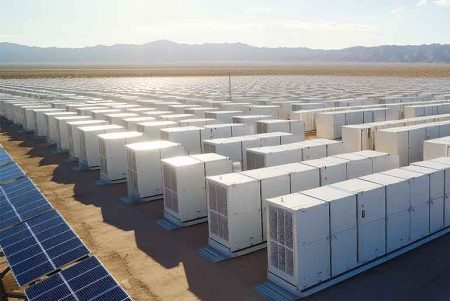
NASH Energy’s production line can make battery packs with capacities ranging from 100 Ah to 314 Ah. These packs can be used in battery energy storage systems (BESS), electric mobility, material handling equipment, electric buses, and commercial vehicles. The company also supplies lithium-ion battery packs and cells to electric two-wheeler and three-wheeler manufacturers in India and is among the early players developing LFP cylindrical cell manufacturing capabilities.
“As we scale battery pack production to meet growing demand across mobility, grid-scale storage, and industrial applications, our responsibility extends across the entire battery lifecycle,” said Anil Kumar, COO, NASH Energy. “Our partnership with NavPrakriti ensures that every NASH Energy battery whether from manufacturing processes or end-of-life returns is responsibly recycled and its valuable materials reintegrated into the supply chain. This collaboration strengthens our commitment to sustainable manufacturing and supports India’s transition toward a circular battery economy.”
 Electrify your feed! Click here to join our Whatsapp group and to get the latest updates, expert insights, and innovations driving India’s energy storage revolution.