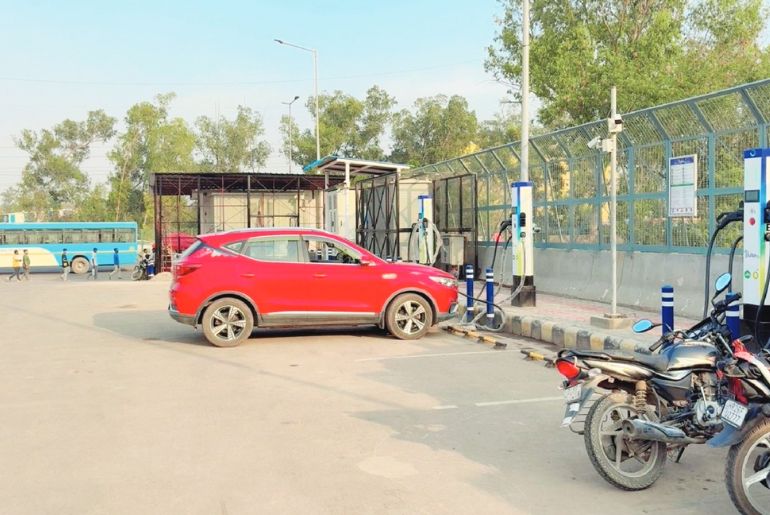
In a significant boost to clean mobility infrastructure, the National Capital Region Transport Corporation (NCRTC) has commissioned India’s largest fast electric vehicle (EV) charging station at Anand Vihar, along the Delhi–Meerut Namo Bharat Corridor. The initiative aims to strengthen EV adoption by providing high-capacity, accessible charging facilities at a major transit hub.
Advanced Charging Infrastructure
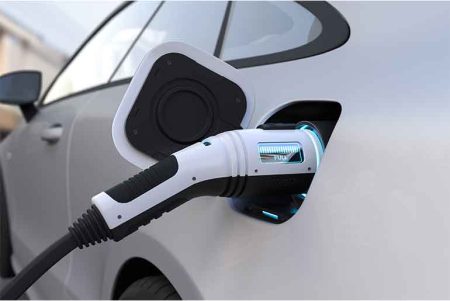
The new charging station has 10 high-voltage charging units, each with a capacity of 480 kW. This lets up to 10 electric cars charge at the same time, which means that users don’t have to wait long. The system can charge four-wheelers up to about 80% in about 30 minutes, making it a quick and easy option for EV owners.
The facility also has charging stations just for heavy commercial electric vehicles, so it can be used by a lot of different people. The infrastructure is meant to offer advanced fast-charging services while making things easier for commuters and people who live nearby.
Digital Access Through Mobile Application
To make things easier, NCRTC has combined the charging station with the “ElectreeFi” mobile app. People can easily sign up for the app, book charging slots, check the status of their charging in real time, and pay for things digitally. This digital ecosystem makes sure that the charging infrastructure is used well and makes the experience better for users.
Expansion Across Namo Bharat Corridor
With the addition of the Anand Vihar facility, EV charging services are now available at eight stations along the corridor, including Sahibabad, Guldhar, Duhai, Muradnagar, Modinagar South, Modinagar North, and Meerut South. Both fast and standard charging options have been deployed across these locations to cater to diverse user requirements.
Boost to Sustainable Urban Mobility
Building EV charging stations at important transit points is expected to make more people want to buy electric cars by easing their worries about range and accessibility. The facility will help not only Namo Bharat commuters who drive their own electric vehicles, but also people who live nearby.
This initiative reflects NCRTC’s commitment to promoting clean and sustainable urban transport while supporting India’s broader goals of reducing emissions and advancing green mobility solutions.
 Electrify your feed! Click here to join our Whatsapp group and to get the latest updates, expert insights, and innovations driving India’s energy storage revolution.