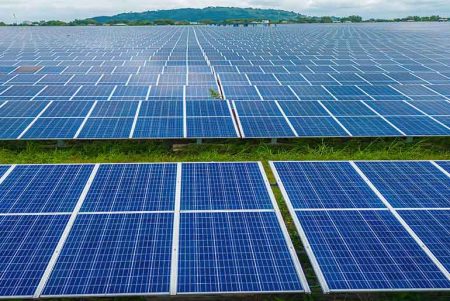


NTPC is planning to develop India’s first 320 kW ceramic thermal energy storage-based concentrated solar power (CSP) pilot project at Rajasthan’s Bhadla Solar Park. The project, approved by Rajasthan Renewable Energy Corporation Limited (RRECL), aims to demonstrate how solar energy can be stored as heat during the day and converted into electricity after sunset.
The initiative will be jointly undertaken by NTPC and RRECL to evaluate the feasibility of ceramic-based thermal energy storage under Indian operating conditions. Electricity generated through the pilot will be used exclusively for internal and auxiliary consumption at NTPC’s facility.
Unlike conventional solar photovoltaic systems, which generate electricity directly from sunlight and generally require batteries or other storage solutions to supply power after sunset, the proposed CSP technology will retain solar energy in the form of heat. During daylight hours, solar energy will be captured and transferred to specially designed high-temperature ceramic modules. After sunset, the stored heat will be used to operate an air turbine, enabling electricity generation without direct sunlight.
The technology has been developed by US-based 247Solar and is being explored by NTPC and RRECL for its potential application in India. The approach could provide an alternative to conventional chemical battery storage, particularly by reducing reliance on electrochemical storage systems and associated investment requirements.
Following RRECL’s approval, the project will move towards preliminary feasibility assessments, site surveys and structural testing at Bhadla Solar Park. These activities will help establish the technical requirements, site suitability and operational feasibility of the proposed thermal storage system before further implementation.
The pilot comes as India continues to expand its renewable energy capacity and seeks solutions to address the intermittency of solar power. Solar generation typically declines after sunset, making energy storage and flexible generation technologies increasingly important for maintaining electricity supply during periods without sunlight.
If the demonstration delivers satisfactory results, ceramic thermal energy storage could emerge as an additional option for improving the dispatchability of solar power. The technology may also offer potential for wider adoption across utility-scale solar installations, subject to successful testing and commercial viability.
The initiative is expected to support Rajasthan’s renewable energy innovation efforts while contributing to India’s broader clean energy transition, energy security and long-term net-zero ambitions.
 Electrify your feed! Click here to join our Whatsapp group and to get the latest updates, expert insights, and innovations driving India’s energy storage revolution.