
NTPC Green Energy Limited (NGEL) has successfully commissioned 300 MW of its 500 MW Bhadla Solar PV Project in Phalodi, Rajasthan, marking a significant milestone in the company’s renewable energy expansion. The project began commercial operations on 13 January 2026, with the commissioning certificate issued by the Solar Energy Corporation of India (SECI) and Rajasthan Renewable Energy Corporation Limited (RRECL) on 14 January 2026.
Developed under NTPC Renewable Energy Limited, a wholly owned subsidiary of NGEL, this solar project is strategically located in the Thar Desert region, benefiting from high solar irradiance to optimize output and efficiency. Once fully operational, the project will supply reliable clean energy to the northern grid, contributing to energy stability and a reduction in carbon emissions in a region historically dependent on coal.
Project Significance and Technical Details
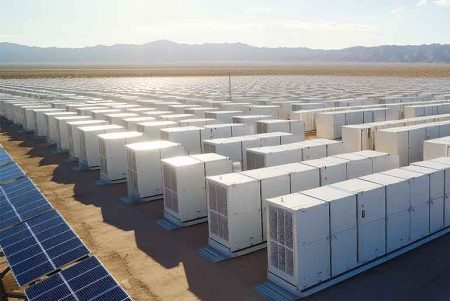
Out of the total 500 MW planned capacity, the initial 300 MW tranche is now fully operational. The Bhadla Solar Park, where the project is situated, is India’s largest solar power plant, spanning 14,000 acres in the Jodhpur district. The park has a total capacity of 2.245 GW and is equipped with approximately 1 crore solar panels, capable of generating around 7,32,874 MWh of electricity annually. The successful commissioning reflects NGEL’s commitment to large-scale, utility-grade solar infrastructure.
NGEL’s Expanding Renewable Footprint
With this addition, NTPC Green Energy’s total installed commercial capacity has risen from 8,010.28 MW to 8,310.28 MW, encompassing solar, wind, and hybrid projects across multiple states. NGEL, a wholly owned subsidiary of NTPC Limited and listed on the BSE, continues to prioritize solar investments alongside wind and hybrid solutions, aligning with national policies for carbon-neutral growth.
The commissioning of this 300 MW segment at Bhadla Solar Park underscores NGEL’s ongoing strategy to strengthen India’s clean energy capacity while supporting sustainable development goals. The remaining 200 MW of the project is expected to be operational in the near future, further enhancing India’s renewable energy infrastructure.
 Electrify your feed! Click here to join our Whatsapp group and to get the latest updates, expert insights, and innovations driving India’s energy storage revolution.