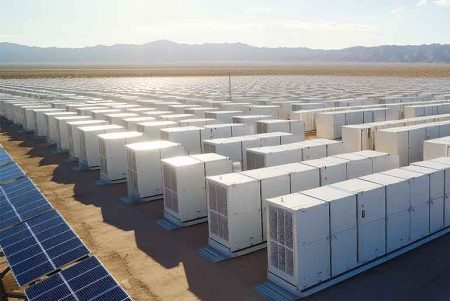
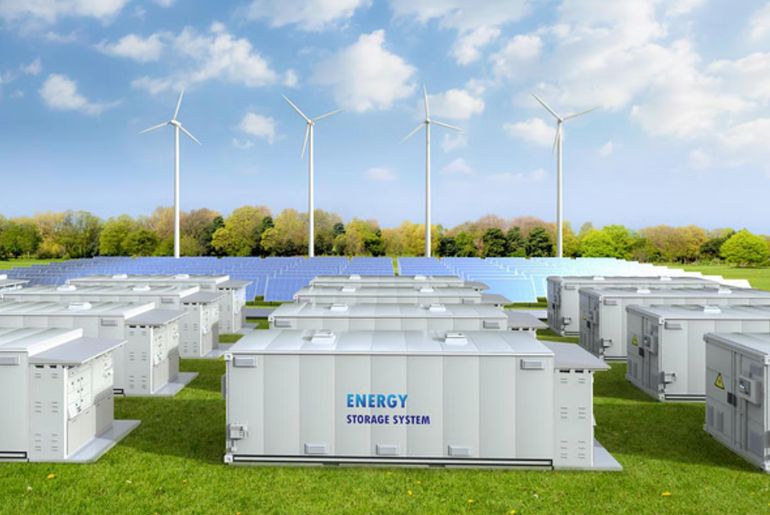
In one of the most strategic moves to further strengthen India’s renewable energy infrastructure, Power Grid Corporation of India has offered a 375 MW/1,500 MWh Standalone BESS project in the state of Tamil Nadu for bidding.
This ambitious initiative comprises seven separate projects, which will be developed under the BOO model. TNGECL acts as a Bid Process Coordinator, while POWERGRID is playing a vital role in bringing this project into life.
Key Project Timeline and Responsibilities
This project is intended to be done on a rapid development basis, with a stipulated timeframe of 15 months for the completion of all the seven facilities. Immediately after the facilities are commissioned, the contractor shall move into a more permanent position with the responsibility of maintaining the facilities built here.
The bidding phase for the high capacity storage arrangement remains an ongoing process until January 28th, 2026. Moreover, the notable factor in the case is that the company has received a Letter of Award (LoA). Subsequently, the company POWERGRID or the company of its own choice officially assumes responsibility.
Expanding the National Footprint
This isn’t POWERGRID’s first foray into the battery storage arena. Over the past year, the company has aggressively expanded its reach:
- Madhya Pradesh (2025): The company issued a tender for a 20 MWh system at Nagda in the Ujjain district. This project is co-located with an existing 85 MW solar plant and occupies about 1,000 square meters of land.
- Andhra Pradesh (November 2025): POWERGRID secured a significant win in a 1,000 MW / 2,000 MWh tender from APTRANSCO. Specifically, it was awarded a 150 MW BESS project at the Kalikiri substation with a tariff of ₹164,000 per MW per month.
- Other Notable Winners: In the same Andhra Pradesh auction, Bondada Engineering also secured a 225 MW project at the Hindupur substation under the same tariff structure.
Stabilizing the Future Grid
These battery systems are designed for high-performance usage, supporting 1.5 full charging and discharging cycles per day in Tamil Nadu. By storing excess energy and releasing it when demand is highest, these projects aim to reduce the country’s reliance on diesel and conventional grid power, ensuring a smoother flow of green electricity to consumers.
“The employer would take over the project upon successful commissioning,” the tender noted, highlighting the seamless transition planned between the developers and the state’s energy infrastructure.
 Electrify your feed! Click here to join our Whatsapp group and to get the latest updates, expert insights, and innovations driving India’s energy storage revolution.