PowerSecure, a subsidiary of Southern Company, has partnered with PRECorp and the National Rural Telecommunications Cooperative to develop a hybrid solar and battery energy storage project in Moorcroft, Wyoming.
The initiative is aimed at addressing increasing peak electricity demand driven by industrial expansion and rising rural power consumption, while enhancing grid reliability across the region.
Solar and Storage Integration for Grid Flexibility
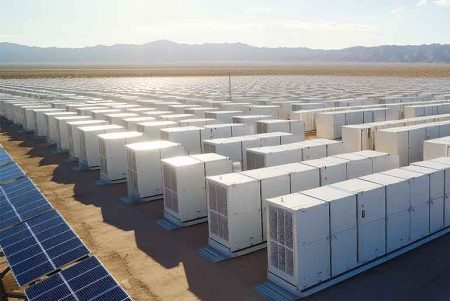
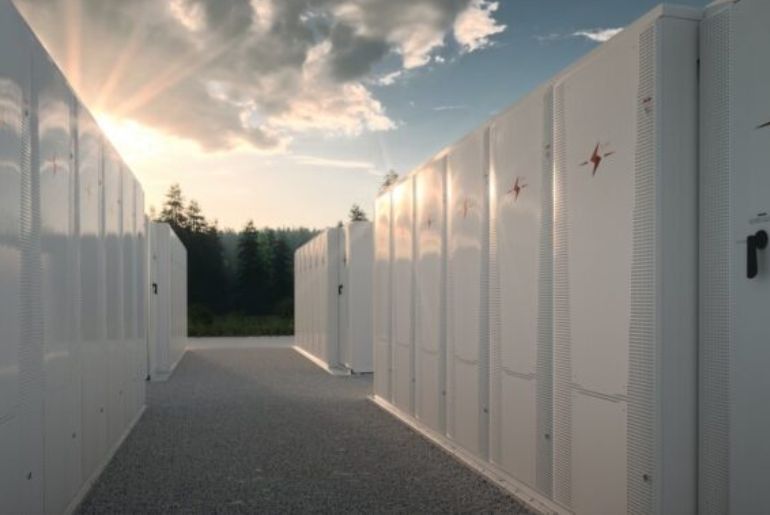
The project will use 1.25 MWdc of solar power from the ground and a battery energy storage system (BESS) with a total capacity of 21.6 MWh. The integrated solution is meant to make peak load management better, give more operational flexibility, and provide backup power during outages and bad weather.
By leveraging both solar and storage technologies, the system will enable PRECorp to better balance supply and demand while strengthening the resilience of its local grid infrastructure.
Cost Savings and Reliability Benefits
According to the partners, the hybrid installation is expected to reduce PRECorp’s annual wholesale power costs by up to $1 million. The project will also support long-term grid stability by mitigating peak demand pressures and enhancing system responsiveness.
Jim Smith, the president of PowerSecure, said that the goal of the project is to give cooperative members measurable benefits by making the grid more reliable and cost-effective, while also getting it ready for future demand growth.
Brian Mills, the CEO of PRECorp, talked about how the cooperative is dedicated to being a reliable energy partner. He said that the partnership brings together cutting-edge technologies and industry knowledge to meet changing energy needs.
Project Timeline and Industry Experience
The project is scheduled for completion within two years, with operations expected to begin in 2027.
PowerSecure has been working on distributed energy solutions for more than 20 years. They have built and managed more than 2 GW of microgrid capacity across the United States. The company has also made energy efficiency improvements worth more than $900 million, which shows how important it is in building strong and long-lasting energy infrastructure.
 Electrify your feed! Click here to join our Whatsapp group and to get the latest updates, expert insights, and innovations driving India’s energy storage revolution.