India’s solar manufacturing major Premier Energies Ltd has announced plans to invest approximately ₹5,900 crore to set up a 10 GW ingot-wafer manufacturing line at its Naidupeta facility in Andhra Pradesh, strengthening the country’s upstream solar manufacturing capabilities.
The company confirmed that land acquisition for the site has been completed, design work is underway, and construction has already begun, according to Chiranjeev Singh Saluja, Managing Director of Premier Energies.
Speaking during an investor call, Saluja highlighted the phased plan for the new facility. He said that the first 5 GW phase is targeted for commissioning by December 2027, with the remaining 5 GW scheduled for completion by December 2028. However, he noted that the timeline may be adjusted depending on policy developments and market demand, particularly the final implementation of the government’s Approved List of Models and Manufacturers (ALMM-III) for ingots and wafers.
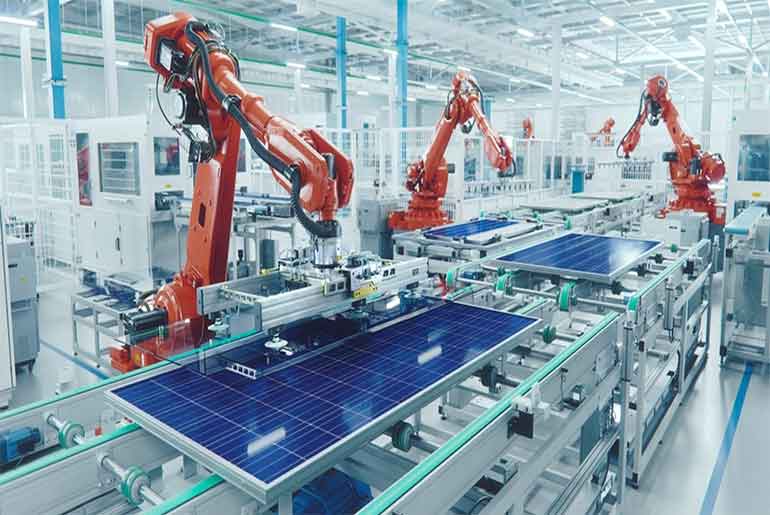
“Our 5.6 GW module line is set for completion in March 2026, our 4.8 GW cell line by June 2026, followed by a 2.2 GW cell line by September 2026,” Saluja said, outlining how Premier Energies expects to become one of India’s most integrated solar manufacturers with over 10.6 GW of cell capacity and 11.1 GW of module capacity.
Strategy and Backward Integration
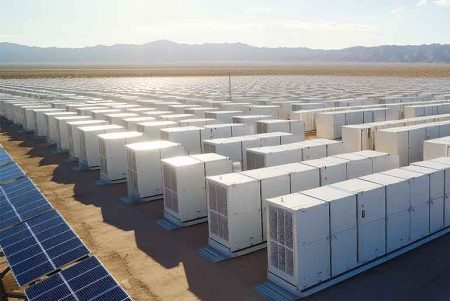
Saluja also spoke about the company’s plans for battery storage manufacturing as part of its broader manufacturing strategy. He confirmed that the company plans to set up a 6 GWh Li-ion cell to pack assembly line in Naidupeta, with an investment of around ₹280 crore. “The land for this also has been acquired, and the factory construction has started,” he added.
On the question of deeper backward integration into Li-ion cell manufacturing, Saluja said the company is waiting for clearer localisation guidelines from the Government of India. “Core manufacturing of cell is something we want to go slow on until we get clarity on ALMM kind of protection from the government of India. As of today, it doesn’t make sense for us to invest in backward integration because the market is still now open to China,” Saluja explained.
Premier Energies’ investment comes at a time when India is pushing for greater domestic manufacturing of solar cells and modules, as well as their upstream raw materials such as ingots and wafers. Domestic production of these upstream components has been limited, with much of the supply dependent on imports. By establishing a large-scale ingot-wafer facility, Premier Energies aims to improve the country’s solar supply chain resilience and boost local manufacturing competitiveness.
Currently, Premier Energies operates significant solar cell and module manufacturing capacities and has publicly stated its intention to expand into energy storage, capitalising on India’s growing demand for renewables and storage solutions.
This sizeable investment signals a growing focus on value chain localisation in India’s renewable energy manufacturing sector, especially for critical intermediate components such as ingots and wafers that underpin both cell and module production.
 Electrify your feed! Click here to join our Whatsapp group and to get the latest updates, expert insights, and innovations driving India’s energy storage revolution.