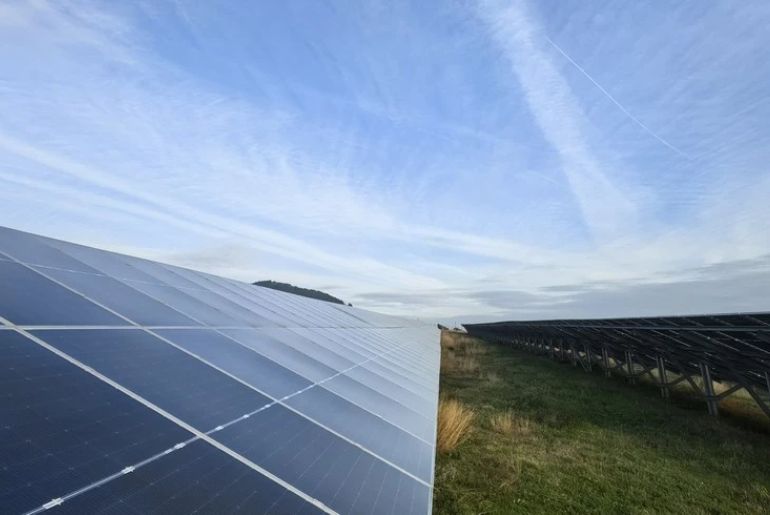
Roofsol Energy Pvt. Ltd. has entered into a 2 MWp solar power purchase agreement (PPA) with Whirlpool of India Ltd. for its manufacturing facility. The project will be executed under the OPEX model, enabling Whirlpool to adopt solar energy without upfront capital investment while benefiting from long-term operational savings.
Strengthening Commitment to Sustainable Operations
The deal shows that Whirlpool India is still working to use clean energy in its business. The company wants to lower its carbon footprint and improve the overall energy efficiency of its factory by using solar power. This move is in line with the company’s larger goals for sustainability and the shift toward more environmentally friendly ways of doing business.
Expected Energy Generation and Environmental Impact
The PPA says that the solar installation will make between 3 and 3.5 million units of green electricity every year. The project should help the facility meet some of its energy needs and cut carbon dioxide emissions by almost 2,500 to 3,000 tonnes a year.
This reduction in emissions will contribute significantly to lowering the environmental impact of Whirlpool’s manufacturing operations while supporting cleaner energy consumption.
OPEX Model Enables Cost-Effective Solar Adoption
The project will be developed using the OPEX (Operational Expenditure) model, which allows companies to transition to renewable energy without incurring initial capital costs. Under this arrangement, Roofsol Energy will handle the installation, operation, and maintenance of the solar system, while Whirlpool pays for the electricity consumed.
This model not only reduces financial barriers but also provides predictable energy costs and improved operational efficiency over the long term.
Growing Trend of Renewable Adoption in Industry
The partnership highlights a broader trend among industrial players in India, where companies are increasingly adopting renewable energy solutions to address rising energy costs and meet sustainability targets.
As industries continue to prioritize cleaner energy sources, such collaborations are expected to play a crucial role in accelerating the adoption of solar power across manufacturing sectors.
 Electrify your feed! Click here to join our Whatsapp group and to get the latest updates, expert insights, and innovations driving India’s energy storage revolution.