
Agriculture in India is undergoing a seismic shift as smart farming technologies blend seamlessly with mechanization. At the center of this evolution are next-generation tractors powered by advanced battery technology and connected through smart applications. These innovations are not only transforming how farmers work but are also redefining efficiency, sustainability, and data-driven decision-making in the agricultural landscape.
The Indian tractor market, valued at over ₹90,000 crore in 2023, is the largest globally, with more than 900,000 units sold annually. Traditionally dominated by diesel-powered machines, the sector is now witnessing a growing interest in electric and smart tractors that integrate artificial intelligence (AI), machine learning, GPS, and remote diagnostics. These advancements are a direct response to rising fuel costs, increasing labor shortages, and the urgent need for precision agriculture in the face of climate challenges and limited resources.
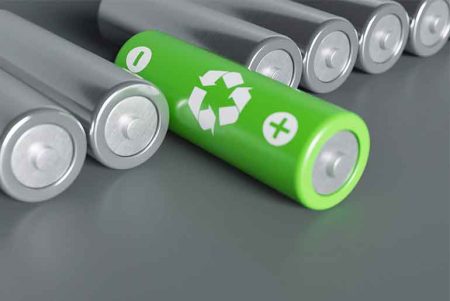
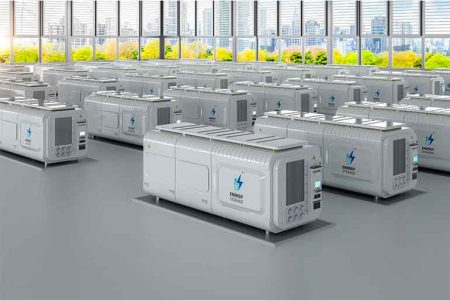
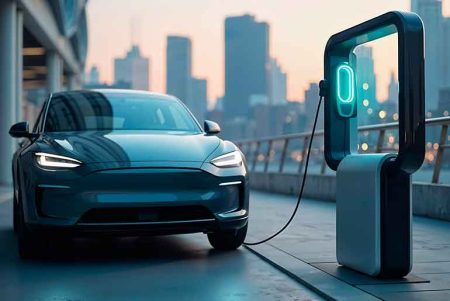
Battery technology lies at the heart of this transformation. Lithium-ion batteries, which have seen their costs fall by nearly 85% over the past decade, are enabling electric tractors with longer operational ranges, faster charging times, and improved durability. Modern electric tractors, now available in 15–35 HP segments, offer up to 75–100 km of operation per charge or 6–8 hours of continuous fieldwork. Charging times vary from 4 to 8 hours, but with fast-charging options and even battery-swapping models being developed, downtime is increasingly negligible.
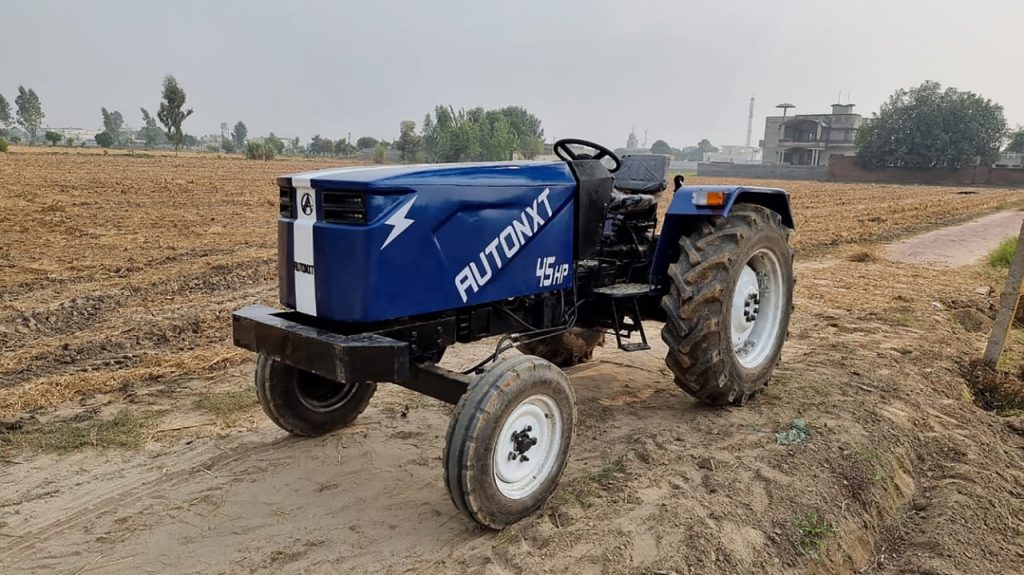
What makes these machines smarter is not just their power source but their digital integration. Smart tractors today come equipped with IoT-based applications that collect real-time data from the field. These systems monitor everything from soil moisture and engine performance to fuel savings and operator behavior. For example, embedded GPS and geofencing technology allow for precision farming—ensuring optimal coverage of land, minimizing overlaps, and reducing input waste. Such precision can result in up to 15–20% savings in fuel or energy and 10–15% increased crop yield through targeted interventions.
These digital tools are typically accessible through mobile apps that offer farmers dashboards with live updates, predictive analytics, and maintenance alerts. Some apps can also remotely control or shut down the tractor in case of anomalies or unauthorized usage. Startups and OEMs in India, such as AutoNxt, Cellestial, and EMotorad, are integrating these smart features into their tractors to cater to the small and marginal farmers who comprise over 85% of India’s farming community.
Additionally, these apps enable predictive maintenance, helping reduce downtime and repair costs. Traditional tractors often incur high maintenance due to the complexity of their internal combustion engines. In contrast, electric tractors have fewer moving parts and coupled with smart diagnostics, the maintenance cycle becomes significantly more efficient. According to industry estimates, maintenance costs for smart electric tractors can be 25–30% lower than those of conventional models.
The adoption of smart tractors also aligns well with India’s national priorities. The government’s Digital Agriculture Mission and various state EV policies are promoting the use of digital technologies and clean energy in agriculture. The inclusion of electric tractors in schemes like FAME and efforts by NABARD to finance agri-tech solutions are creating a favorable environment for wider adoption.
However, widespread deployment still faces roadblocks. High upfront costs—typically 20–30% more than diesel tractors—lack of awareness, and inadequate rural charging and connectivity infrastructure limit penetration. Addressing these challenges requires a combination of policy support, public-private partnerships, and innovative business models such as equipment leasing, battery-as-a-service, and subscription-based access to software tools.
Despite these hurdles, the trajectory is clear. As battery technology becomes more affordable and smart applications more user-friendly, the future of farming lies in connected, intelligent machines. These next-gen tractors will not only power fields but also empower farmers with actionable insights, reduced costs, and sustainable practices.
In a country where agriculture supports nearly 58% of the population, the convergence of clean energy and digital intelligence is more than a technological upgrade—it is an agricultural revolution. Smart farming needs smarter machines, and with the right ecosystem in place, India is poised to lead the way.
 Electrify your feed! Click here to join our Whatsapp group and to get the latest updates, expert insights, and innovations driving India’s energy storage revolution.