
As the electric vehicle (EV) market expands quickly, the analysis of sustainability has moved from a production-based approach to one that focuses on battery management at the end of life. In 2025, we aim to start giving EV batteries a “second life,” through recycling and reuse, change the waste into resources. The aim of the article is to discuss existing trends, challenges, and opportunities, in the second-life EV battery eco-system, and provides insights for companies working in this dynamic environment.
The Need for Second-Life Solutions
The rise in EV use has also led to a rise in retired lithium-ion batteries. These batteries may not fulfill the strict requirements for automotive application, but they may very well have 70-80% remaining capacity, thus making them still useful for less demanding applications. This gives old batteries a second life and avoids environmental issues related to disposal, while also contributing the growing need for energy storage alternatives.
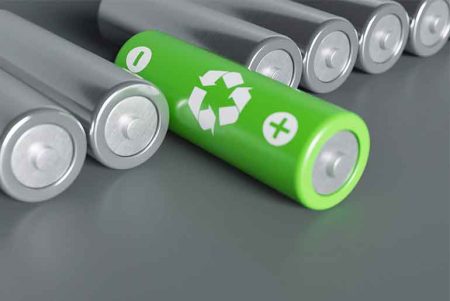
Recycling Innovations: Close the Loop
JB Straubel, a co-founder of Tesla, started Redwood Materials, which is leading the way in battery recycling in North America. Redwood recycles over 70% of the lithium-ion batteries on the continent and is able to recover 98% of important minerals, including lithium, nickel, and cobalt. Redwood aims to manufacture 100 GWh of cathode active material annually by 2026, enough for 1.3 million EVs. The program provides less reliance on foreign supply chains and helps incentivize a circular economy.
European startups like Altilium and tozero are making significant strides. Altilium’s recovered cathode materials have similar performance to new ones while reducing CO₂ emissions by 70% and cost by as much 20-30%. Working with companies like Jaguar Land Rover demonstrates the commercial potential of these endeavors.
India’s Second-Life Battery Ecosystem: An Emerging Powerhouse
India is making quick progress to advance second-life EV battery solutions, as part of its ambitious clean mobility and circular economy goals. NITI Aayog projects that by 2035 India will generate over 5 million tonnes of lithium-ion battery waste, which will require comprehensive recycling and repurposing.
Key Developments by 2025
Government Policy Support: The Battery Waste Management Rules, 2022 (fully enforced), has extended producer responsibility (EPR) for EV OEMs and battery manufacturers. It mandates manufacturers to collect and recycle used batteries and promotes responsibility throughout the lifecycle of the battery.
Recycling Infrastructure: Firms such as Attero Recycling, Lohum, and Ecolife have expanded activities. Attero, for instance, has announced plans to recycle 15,000 tonnes of lithium-ion batteries in FY 2024-25 and increase its capacity to recycle 50,000 tonnes annually by 2027. For example, it recovers over 95% of the critical metals including lithium, cobalt, and nickel.
Second-Life Storage Projects: Lohum has partnered with MG Motor India to recycle end-of-life EV batteries into 5kWh battery energy storage systems. Second-Life batteries can provide reliable and stable energy access to places with an unstable grid, and the provision of such energy access addresses energy access to previously unserved areas and further supports the circular economy goals of rural and urban India. Lohum is partnering with Tata Power Solar and Ola Electric to develop community energy storage projects in rural locations to provide energy back-up by recycling second-life battery packs.
Public-Private Collaborations: The Recycling Linked Incentive (RLI) program encourages the appropriate disposal and recycling of end-of-life electric vehicles (EVs) and batteries, minimizing environmental impacts while improving resource recovery. This initiative is not part of the FAME-II program, and seeks to promote circular economy in the EV ecosystem.
These developments have firmly positioned India as not only a large EV consumer market, but also a possible global hub for technologies facilitated by the circular economy in batteries.
Repurposing: Extending Battery Life
Beyond recycling, repurposing EV batteries for secondary applications is gaining traction. These second-life batteries are being integrated into:
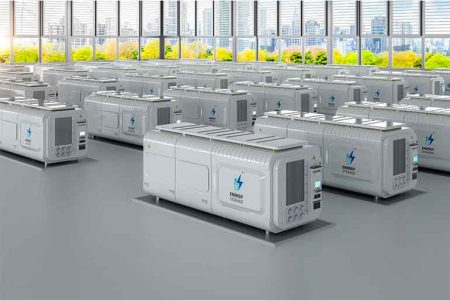
- Grid Stabilisation: As an example, companies like B2U Storage Solutions have developed technology to integrate thousands of used EV batteries into energy storage systems that are providing grid services such as frequency regulation or peak load management.
- Renewable Energy Integration: Nissan is refurbishing EV batteries for stationary energy storage systems for use in Japan and will assist in storing intermittent renewable energy to maintain a stable power supply.
- Residential and commercial applications: Homeowners and businesses are using second-life batteries to store energy and decreasing their reliance on the grid, and their electric bills.
Market Dynamics and Projections
Global Market Outlook
- Market Size: The global second-life EV battery market is forecasted to grow to $1.60 billion in 2025 from $1.27 billion in 2024, and increase to nearly $12.42 billion by 2034, representing a CAGR of 25.61% from 2025 to 2034.
- Market Drivers: The increase in global EV sales, increasing demand for sustainable energy storage solutions, and government policies that promote reuse and recycling of batteries are some of the main drivers of this growth.
Asia Pacific Market Insights
- Market Share: In 2024, the Asia-Pacific region accounted for 68.7% of the global second-life EV battery market, worth $1.51 billion.
Growth Factors:
- Electric Vehicle Adoption: In countries like China, Japan, South Korea, and India, there is now a significant number of batteries available to be reused.
- Integration of Renewable Energy: The region’s commitment to integrating renewable energy sources requires efficient energy storage technologies; second-life batteries will be a vital source of energy storage.
- Government Initiatives: Market demand is being driven by policies proposed and enacted to encourage battery recycling and the reuse of batteries such as India’s Battery Waste Management Rules.
- Market Outlook: Although there is no concrete data for 2025, the Asia-Pacific region is expected to continue its leading position in the second-life EV battery market thanks in part to continued investments and government initiatives.
Challenges and Considerations
Despite the promising outlook, several challenges persist:
- Economic viability: As new lithium-ion batteries price falls to $115/kWh in 2024, second-life battery suppliers will be unable to compete.
- Logistics: Transporting and disassembling spent batteries is labor-intensive and costly, there needs to be innovation in automation and standardisation.
- Legislation: The absence of globally accepted standards for battery reuse, and at the same time different national standards, creates obstacles to enabling second-life operations.
Strategic Opportunities for Businesses
For businesses operating in the EV ecosystem, several strategic opportunities emerge:
- Organizations: Collaborating with recycling and repurposing organizations enhance sustainability credentials and establish other revenue generating opportunities.
- Innovation: Investment in research and development toward improved battery diagnostics, modular designs and automation will reduce costs and improve capacity.
- Policy engagement: Working with policymakers to develop a favourable regulatory framework to enable greater second-life battery applications.
Conclusion
The second life of EV batteries offer a significant opportunity to achieve business priorities while meeting environmental needs. With nations like India building strong legal and industrial foundations, there is a likelihood that the global marketplace for recycled and repurposed batteries will continue to grow. Businesses that undertake early investment in the circular value chain will have an opportunity not only to benefit from new opportunity for development, but also positively contribute to a sustainable future.
 Electrify your feed! Click here to join our Whatsapp group and to get the latest updates, expert insights, and innovations driving India’s energy storage revolution.