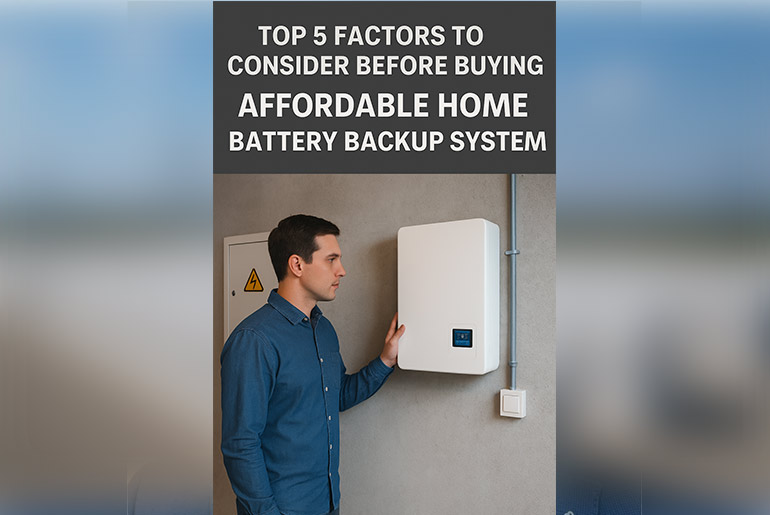
In today’s energy-driven world, homeowners are increasingly looking for reliable solutions to keep their houses powered during outages. One of the most effective answers is an affordable home battery backup system. These systems not only ensure uninterrupted electricity but also reduce dependency on the grid, cut utility bills, and contribute to a greener lifestyle.
But with a rapidly growing market filled with options, how do you know which system is right for you? Before making an investment, it’s essential to evaluate a few critical factors. Here, we break down the top five factors you should consider before buying an affordable home battery backup system.
1. Battery Capacity and Power Output
The first factor to understand when comparing residential battery systems is capacity (expressed in kilowatts hours or kWh) and power output (the measure of power is expressed in kilowatts or kW).
- Battery Capacity (kWh): This is the amount of energy your battery can hold. In other words, the higher the capacity, the longer your battery system will run your home appliances in a power outage. For example, a 10 kWh battery should be enough for several hours of running essential electronics in the event of an outage: lights, refrigerator, Wi-Fi, a few small appliances, etc.
- Power Output (kW): While the capacity of a battery system is a measure of the amount of energy it is storing, output mode measures the rate of energy use. Higher output provides the option of running multiple devices simultaneously without overloading the system.
- Pro tip: A smaller home will usually be fully supported by a battery system with a capacity of 5-10 kWh, while bigger homes usually should go with 15 kWh or larger capacity systems.
2. Cost vs. Value
While cost is important, buyers will want to consider much more than just the initial cost. Buyers should consider the value of the system in its lifetime.
- Initial Cost: Affordable home battery backup systems can range as low as ₹3,00,000–₹8,00,000 depending on brand, capacity, and technology.
- Long-term profit: Some batteries can reduce monthly electricity bills by storing the power when it is low (off-peak) and releasing the power when the cost is higher, or during peak hours.
- Incentives and Rebates: Depending on your location, you may have access to government subsidies or incentives, which make an otherwise cost prohibitive battery system, a more affordable long-term option.
- Pro Tip: Always compare the cost per stored kWh across the life of the system to make a more accurate comparison of cost, or affordability.
3. Battery Chemistry and Safety
Not all batteries are created equal. The type of battery chemistry affects performance, longevity, safety, and cost.
- Lithium-Ion Batteries (Li-ion): Lithium ion batteries are the best available option for residential systems given their efficiency, reduction in weight and frequency in purchasing, and longevity (8-15 years). Within the Li-ion category, lithium iron phosphate (LFP) represent the most safety and longevity.
- Lead-Acid Batteries: They are on the lower end of the value chain, heavy and inefficient with limited lifespan. They are becoming less attractive each year, especially in comparison to lithium batteries, and are no longer the typical choice in the modern home.
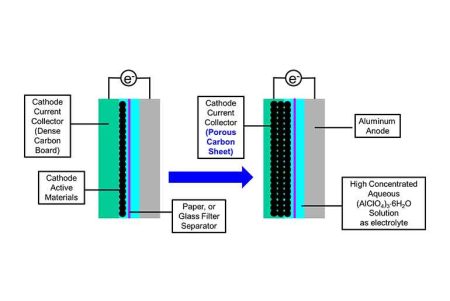
- Flow Batteries: This new technology has the ability to outlast lithium batteries, but cost is still an issue for home systems.
Safety is important. Look for systems which incorporate failure protections for overheating, overcharging, and shorting circuits.
4. Integration with solar panels and the grid
If you are a homeowner that already utilizes solar panels or plans to install them in the near future, integration using the solar panels is vital. A good home battery backup systems will allow you to reliably store solar energy that can be used after sundown, or in the case of emergencies when the power goes out.
- Solar integration: Look for hybrid inverters, or systems that speak specifically to solar usage.
- Grid interaction: Some systems also allow for some two-way exchange of energy with the grid (commonly referred to as “net metering”) and the ability to sell any excess stored energy back to your utility.
- Pro Tip: Using battery storage systems in conjunction with solar not only provides your home self-sufficiency but also maximizes your return on investment.
5. Warranty, lifespan, and brand trustworthiness
A cost effective home battery backup systems should have enough longevity to ensure the purchase is worth it.
- Lifespan: The majority of ‘modern’ lithium-ion batteries are designed to last 8–12 years, or approximately 6,000 charge cycles; this time frame is determined by a variety of factors (frequency of charge cycles).
- Warranty: Most ‘quality’ brands will also offer limited guarantees for battery replacements of somewhere around 5–10 years. While having peace of mind can be great, consider what the warranty encompasses (capacity retention, complete replacement, or just repairs).
- Brand Confidence: Often when you look at a manufacturer with an established reputation and history you are creating a safer financial bet than when you are with a less known, cheap brand, and someone who may or may not be skimping on quality.
- Pro tip: Think not only about the warranty duration, but think about the guaranteed end-of-life capacity. A good system will retain 70–80% of its original capacity at the end of warranty.
Bonus factor: Smart Features and Monitoring
Today’s home back-up systems often come with smart features, including:
- Mobile apps to provide, real-time monitoring of energy usage
- AI-based optimization to maximize efficiencies.
- Remote evaluation and support.
While these smart features may increase the upfront price of your investment, they advance the convenience and efficiency of your system and allow your system to remain future-ready.
Final Thoughts
Selecting an affordable home battery backup system is not simply about just buying the cheapest product available. It is about finding the balance between cost, performance, safety, and long-term value. By carefully considering battery capacity, value proposition, chemistry, integration with solar, and warranty, homeowners can eventually make a decision that provides energy security, cost savings, and sustainability.
As the threat of power outages, inconsistent power bills, and environmental issues continue to rise, investing in a home battery backup systems you can count on is no longer a luxury item and is a necessity . Take your time researching, comparing, and calculating before making your selection. The right system will keep your lights on, devices charged, and your home functional – regardless of what happens.
 Electrify your feed! Click here to join our Whatsapp group and to get the latest updates, expert insights, and innovations driving India’s energy storage revolution.