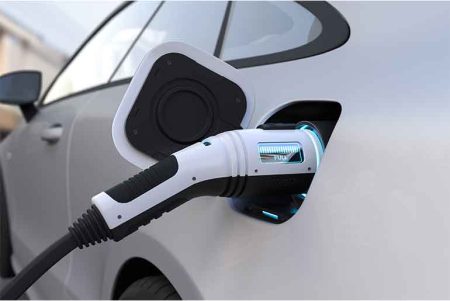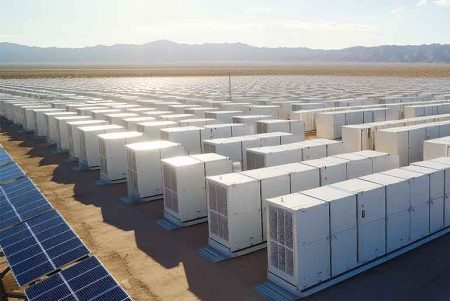
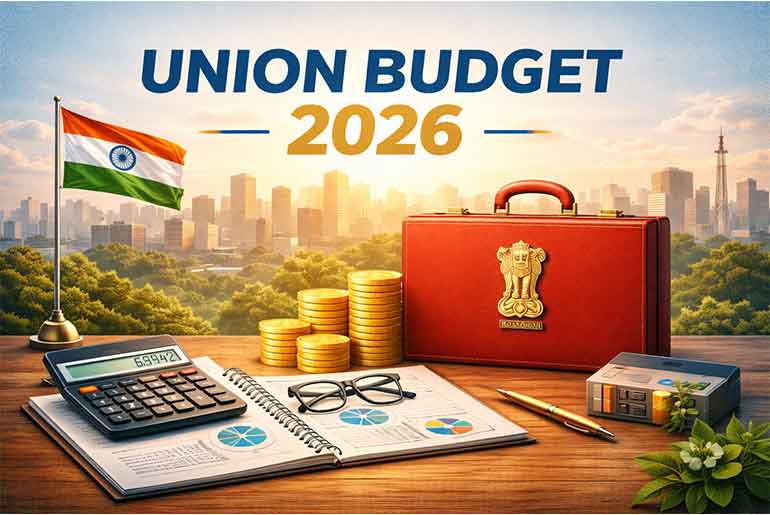
As India prepares for Union Budget 2026, the electric mobility and energy storage sector is entering a decisive phase. EV adoption is picking up across segments, demand for batteries is growing quickly, and grid-scale energy storage is no longer a future idea but an immediate requirement. While policy direction has remained steady in recent years, industry stakeholders believe this Budget will be judged on how effectively plans are implemented on the ground.
With manufacturing capacity expanding across EVs, batteries and storage, companies are now seeking clarity on incentive rollout, access to long-term funding, GST structures and support for emerging technologies. From battery manufacturing and BESS deployment to recycling and shared mobility, industry leaders are looking for focused, execution-driven measures that strengthen India’s energy security and support sustainable growth.
Here’s what industry experts expect from Union Budget 2026:
Pratik Kamdar, Co-founder & CEO, Neuron Energy
India’s electric mobility journey has reached a critical inflection point. Adoption is accelerating, manufacturing capacity is expanding, and policy intent has been consistent. However, the next phase of EV growth will not be defined by headline adoption numbers alone.
From a manufacturing standpoint, this budget comes at a time when India’s EV and battery ecosystem is moving from early adoption to real scale. Demand for lithium-ion batteries is growing rapidly, with the market projected to expand at close to a 39% CAGR through 2030, driven by EVs and renewable energy storage. To support this growth, manufacturers need timely execution of PLI incentives, easier access to long-term capital, and faster approvals on the ground.
Workforce skilling, testing infrastructure, and stronger domestic supply chains will decide how quickly plants stabilise. A budget that backs localisation, R&D, and recycling will help the sector scale sustainably and reduce long-term import dependence.
Ayush Misra, Co-Founder & CEO, AmpereHour Energy
As we look ahead to the Union Budget for FY 2026, we expect a strong policy signal reinforcing India’s commitment to a resilient, secure, and clean energy future. With BESS and advanced EMS emerging as the backbone of a flexible power grid, targeted incentives to reduce upfront capital costs will be critical to accelerating energy storage deployment and enabling this transition.
We are optimistic about stronger support for both BESS developers and domestic energy storage manufacturers. Continued viability gap funding is essential to scale projects during this early phase, while a clear, phased roadmap on manufacturing incentives and import duties for battery packs and containers will build investor confidence, ensure competitiveness of local manufacturing, and unlock private capex into domestic facilities.
With the battery supply chain heavily concentrated in China and prices already rising, BESS projects face near-term volatility. Over the long term, India must prioritise battery manufacturing self-sufficiency through clear duty structures and sustained manufacturing incentives to ensure energy security.
New-age sectors like BESS and electric vehicles require sustained R&D investment, yet current corporate spending is insufficient. Government-led tax incentives and R&D grants can accelerate innovation and strengthen academia–industry collaboration.
Anand S. Kabra, Chairman and Managing Director, Kabra Extrusiontechnik Limited & GEON“The upcoming Budget comes at a critical moment for India’s energy landscape. With the green transition gaining momentum, the industry expects policy measures that not only accelerate adoption but also strengthen the domestic ecosystem for clean energy technologies.
Support for energy storage, electric mobility, and advanced electronics will be essential to ensure that India is not just a consumer of future technologies but a global contributor to them. Equally important is a policy framework that encourages innovation, improves ease of doing business, and enables sustainable manufacturing at scale.
If aligned well, the Budget can act as a catalyst for long-term growth, positioning India as a leader in sustainable and technology-driven industries.”
Nitin Gupta, Co-Founder & CEO, Attero
“As India approaches the Union Budget 2026, there is a strong opportunity to firmly position critical minerals, recycling and rare earth elements as strategic enablers of long-term economic and industrial self-reliance. Recycling today is not only about sustainability, it is about material security. India continues to rely heavily on imports for lithium, cobalt, nickel and rare earths that power electric mobility, clean energy, electronics and defence. Building native recycling, refining and recovery capabilities are some practical ways to reduce this dependence and create resilient, domestic supply chains. E-waste, end-of-life batteries and industrial scrap represent a strategic resource base that can be unlocked at scale through technology.
Budget 2026 can accelerate this transition by recognising recycling and advanced materials recovery as core industrial infrastructure, enabling easier access to long-term capital and encouraging Indian deep-tech innovation in automation, robotics and process engineering. Targeted fiscal incentives for advanced recycling technologies, rare earth processing and downstream manufacturing will help Indian startups and scale-ups compete globally. With the government’s growing mission-level focus on critical minerals, this budget has the potential to convert intent into impact, strengthening Atmanirbhar Bharat and advancing a truly circular economy.”Muthu Subramanian, MD, Yuma Energy
To make electric vehicles truly affordable and scalable in India, especially across the two- and three-wheeler segments, Budget 2026 needs to directly address the structural challenges facing the battery ecosystem. Today, EV adoption in these segments is gaining momentum, driven by rising fuel costs, improving vehicle availability, and growing acceptance among individual riders and fleet operators. However, battery cost and availability continue to be the biggest bottlenecks, accounting for a significant share of vehicle pricing and directly impacting consumer affordability.
Accelerating domestic battery cell manufacturing is critical at this stage. Despite growing EV sales, India remains heavily dependent on imported cells, exposing the market to supply-chain risks and price volatility. Stronger incentives for local cell production and component supply chains can reduce costs over time while improving energy security. At the same time, rationalising GST on batteries, battery packs, and battery-swapping services would help remove cost inefficiencies, particularly for shared mobility and last-mile delivery segments where margins are tight.
Battery swapping is emerging as a practical solution for two- and three-wheelers, addressing concerns around charging time, vehicle uptime, and battery life. Targeted policy support for swapping infrastructure can significantly lower upfront vehicle costs and accelerate adoption among commercial users. In parallel, a robust battery recycling and second-life framework is essential to manage end-of-life batteries, recover critical materials, and support sustainability goals. Together, these measures can help bridge the gap between policy intent and market realities, enabling faster, safer, and more cost-effective EV adoption at scale.
Raman Bhatia, Managing Director, Servotech Renewable Power System Ltd.
For Servotech, the upcoming Union budget is going to be a strategic lever for India’s energy sovereignty. It’s high time for us to transition from intent to execution to meet the 500 GW non-fossil energy target by 2030.
We’ve reached a point where prioritising Energy Storage Systems and grid readiness is super critical. And as a forefront player in India’s green energy transition, we advocate Viability Gap Funding for Battery Energy Storage Systems, a dedicated PLI scheme for advanced lithium-ion cell manufacturing, and hybrid renewable tenders to ensure round-the-clock grid stability.
We’re also anticipating enhanced green credits for corporate investments and rationalised GST on solar and energy storage components. In a volatile global landscape, where India depends on imports for nearly 89% of its oil, accelerating solar adoption and energy storage manufacturing is a strategic necessity.
We hope for a visionary budget that takes long-term national renewable energy goals into account to bridge the gaps in connectivity and low-cost green financing. Servotech stands ready to lead this revolution, proving that Indian innovation can power the global green transition.
RK Misra, Co-founder & President – Ecosystem Partnerships, Yulu
As India grapples with rising air pollution and urban congestion, Budget 2026 is an important opportunity to strengthen shared and low-speed electric mobility as a core pillar of clean transport. While EV policy support has largely favoured personal vehicle ownership, low-speed electric vehicles that power last-mile connectivity and urban deliveries remain outside key incentive frameworks, despite their proven impact.
The sector also continues to face structural challenges under GST. While EVs purchased with fixed batteries attract 5% GST, battery-as-a-service models are taxed at 18%, with no refund on input tax credits, leading to significant capital blockages. Rationalising GST, including LSEVs within subsidy and fleet-conversion mandates, and incentivising shared mobility can meaningfully reduce congestion, lower emissions, and make clean mobility more accessible at scale.
Samrath S. Kochar, Founder & CEO, Trontek Electronics Ltd
As India advances its clean-energy and e-mobility vision, the upcoming Budget is an opportunity to accelerate momentum in advanced battery manufacturing and energy-storage technologies. Policy measures that promote localisation of critical components, incentivise R&D for next-generation chemistries, and establish a clear framework for battery recycling and second-life deployment will be instrumental in strengthening India’s energy-security roadmap.
We also look forward to continued policy encouragement for EV adoption, particularly in the two- and three-wheeler segments, and a stronger integration of storage solutions within the renewable-energy value chain. A stable, long-term policy regime supported by targeted manufacturing incentives under ‘Make in India’ can help position India as a global hub for lithium-ion batteries and sustainable energy solutions.
Shubham Vishvakarma, Founder & Chief of Process Engineering, Metastable Materials
Policy wise, India has made solid progress on battery recycling and critical mineral recovery front in the past year or so. Budget 2026 can strengthen India’s battery recycling sector by addressing a few gaps. It can better reflect the different roles across the recycling chain, where collection and dismantling are essential, but deeper, end-to-end recycling delivers the final material value.
EPR already drives compliance; the opportunity is to more clearly recognise higher-quality recycling outcomes within that framework. Eg. it can incentivise producers to fulfil EPR through audited R3/R4 recyclers by recognising greater recycling outcomes. Additionally, while recyclers make refined secondary metals and metal salts, the budget can support the development of a downstream industry that converts these secondary materials into battery precursors or CAM for domestic use. Together, these steps can turn recycling from a compliance activity into a dependable source of critical minerals for India’s battery ecosystem.
Taken together, industry voices see Union Budget 2026 as a defining opportunity to move India’s clean mobility and energy transition from policy intent to execution at scale—anchored in manufacturing depth, supply-chain resilience and long-term energy security.
 Electrify your feed! Click here to join our Whatsapp group and to get the latest updates, expert insights, and innovations driving India’s energy storage revolution.