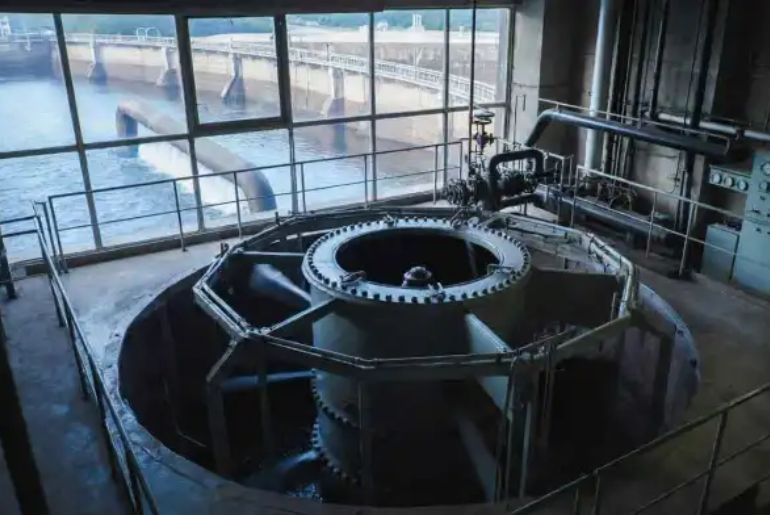
The Union Cabinet, chaired by Prime Minister Narendra Modi, has approved the Small Hydro Power (SHP) Development Scheme for the period FY 2026-27 to FY 2030-31. The scheme comes with a total outlay of ₹2,584.60 crore and aims to install approximately 1,500 MW of small hydro capacity across the country.
Focus on Regional Development
The goal of the initiative is to encourage small hydro projects with power outputs of 1 to 25 MW, especially in hilly areas and the North Eastern states where this potential has not been fully realised. To speed up development in these areas, special financial incentives have been put in place.
Key Financial Provisions
North Eastern & Border Districts:
₹3.6 crore per MW or 30% of project cost (whichever is lower)
Maximum limit: ₹30 crore per project
Other States:
₹2.4 crore per MW or 20% of project cost (whichever is lower)
Maximum limit: ₹20 crore per project
A major portion of ₹2,532 crore has been allocated specifically for project implementation. The scheme is expected to attract investments worth ₹15,000 crore in the small hydro sector.
Boost to Local Economy and Manufacturing
The government stressed that the program will help Indian manufacturing by saying, “the investment will also use 100% of the plant and machinery from Indian sources, which is in line with the goal of Atmanirbhar Bharat.”
Pipeline Development for Future Projects
To ensure long-term growth, the scheme will also support preparation of Detailed Project Reports (DPRs) for nearly 200 upcoming projects.
- ₹30 crore has been allocated for DPR preparation by central and state agencies
Employment Generation and Sustainability
The plan is expected to create about 51 lakh person-days of work during construction and long-term jobs in operation and maintenance.
- Minimal transmission infrastructure required
- Reduced transmission losses
- Projects located in rural and remote areas
Environmental and Social Impact
Highlighting sustainability, the government stated that “SHP projects are environmentally sustainable, as they avoid large-scale land acquisition, deforestation, and displacement of communities.”
With lifespans ranging from 40 to over 60 years, these decentralized projects are expected to drive socio-economic development in remote regions while strengthening India’s clean energy transition.
 Electrify your feed! Click here to join our Whatsapp group and to get the latest updates, expert insights, and innovations driving India’s energy storage revolution.