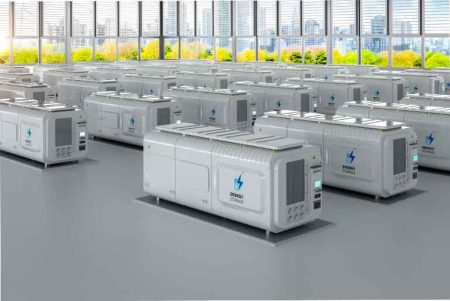
For over four decades, SWELECT Energy Systems has built its reputation on engineering reliability. Long before Battery Energy Storage Systems (BESS) became the industry’s fastest-growing segment, the company had already established itself in India’s power electronics landscape through Numeric Power Systems, a name synonymous with uninterrupted power supply (UPS) solutions and battery reliability. Today, that legacy is shaping SWELECT’s next phase of growth as the company expands beyond solar into integrated renewable energy solutions spanning Battery Energy Storage Systems, power electronics, Independent Power Producer (IPP) assets and international energy markets. From launching its NUMERGY portfolio to investing in power electronics manufacturing and utility-scale storage, SWELECT is positioning itself at the intersection of renewable generation and intelligent energy management.
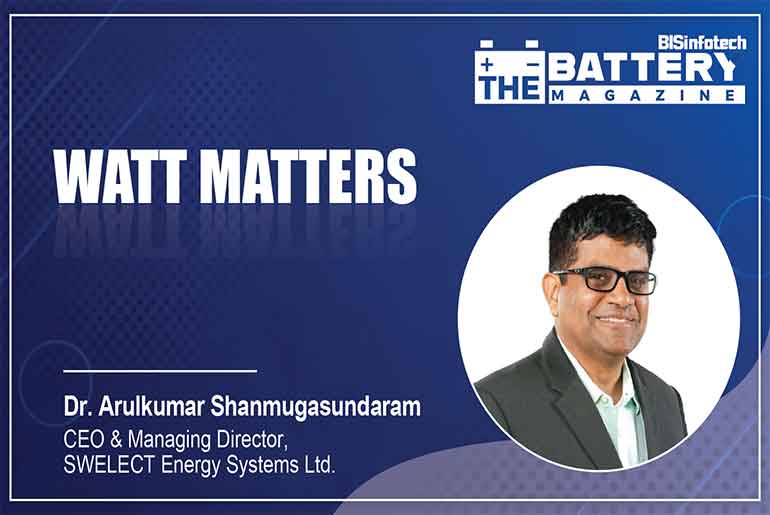
In an exclusive conversation with Shweta Kumari, Sub-Editor, The Battery Magazine, Dr. Arulkumar Shanmugasundaram, CEO & Managing Director, SWELECT Energy Systems Ltd., shares why the company’s decades-long experience with batteries gives it a unique perspective on the future of energy storage, the importance of power electronics, India’s manufacturing ambitions, and the technologies that will shape the next generation of Battery Energy Storage Systems.
SWELECT is widely recognised today as a renewable energy company, but its roots lie in power electronics. What gave you the confidence to make Battery Energy Storage Systems the company’s next major growth area?
Many people associate SWELECT primarily with solar energy today, but our journey actually began much earlier in the power electronics industry.
The company was established in 1984 as Numeric Power Systems, where we became one of India’s leading manufacturers of Uninterruptible Power Supply (UPS) systems. Over the years, Numeric built a dominant position in the market, particularly across banks, IT infrastructure and mission-critical applications, earning a reputation for exceptional reliability before the UPS business was divested in 2013.
What many people may not realise is that our UPS legacy gave us decades of practical experience in battery behaviour, battery performance and long-term battery management. We have spent years understanding how batteries perform under real operating conditions, how they age, and what is required to maintain their reliability over extended periods.
Following the divestment of the UPS business, SWELECT focused on building its solar business. Today, that combination of deep battery expertise and renewable energy experience places us in a unique position as Battery Energy Storage Systems become an essential part of the clean energy transition.
The industry is still in its early stages. Many projects today are being designed based on assumptions about battery life, degradation and long-term performance. While spreadsheets and product datasheets provide useful estimates, the real challenge lies in ensuring these batteries actually deliver their promised performance over 12 to 15 years under field conditions.
That is where our experience becomes valuable. We understand the practical realities of battery systems, which makes us extremely disciplined in selecting technologies, designing systems and evaluating long-term risks. Sometimes experience makes you more conservative—but in an industry where assets are expected to operate reliably for over a decade, that conservatism becomes a strength.
India is rapidly increasing renewable energy capacity, with an ambitious target of 500 GW of non-fossil fuel power. What role do Battery Energy Storage Systems play in achieving that vision?
Battery Energy Storage Systems are no longer optional—they are becoming indispensable.
Over the last decade, renewable energy has successfully addressed the low-hanging opportunities by delivering competitively priced electricity through solar and wind generation. However, as renewable penetration continues increasing, the challenge is no longer generation alone—it is balancing supply and demand.
Solar generation is available during daylight hours, while wind availability varies with weather conditions. Electricity demand, however, follows an entirely different pattern. As renewable energy occupies a larger share of the grid, maintaining grid stability without storage becomes increasingly difficult.
Battery Energy Storage Systems provide the flexibility required to bridge this gap. They allow renewable energy generated during periods of surplus to be stored and dispatched whenever demand requires it, making higher renewable penetration technically feasible.
Another important aspect is Time-of-Day (ToD) tariffs.
Today, the economic incentive for private investments in battery storage remains limited because electricity pricing in many regions does not adequately reflect variations in demand throughout the day. Once Time-of-Day tariffs become more widespread, consumers will naturally begin shifting their energy consumption towards lower-cost periods while using storage during peak pricing hours.
At the same time, regulators are gradually tightening grid management requirements. Several utilities are already moving towards restricting energy transfers between different settlement intervals, making storage increasingly valuable for both generators and consumers.
Battery storage also significantly improves utilisation of transmission infrastructure. Instead of transmitting electricity only when renewable generation is available, the same transmission assets can be utilised for a much longer duration by dispatching stored energy later in the day.
In my view, the future growth of renewable energy and the growth of Battery Energy Storage Systems are inseparable. As India continues adding renewable capacity, storage will become one of the most critical enablers of a reliable, resilient and economically efficient power system.
SWELECT has announced investments in Battery Energy Storage Systems and power electronics. Why do you believe technologies such as Power Conversion Systems (PCS), Battery Management Systems (BMS), Energy Management Systems (EMS) and intelligent controls are becoming increasingly important?
Battery cells often receive most of the industry’s attention, but in reality, power electronics are the intelligence that enables Battery Energy Storage Systems to operate safely, efficiently and reliably.
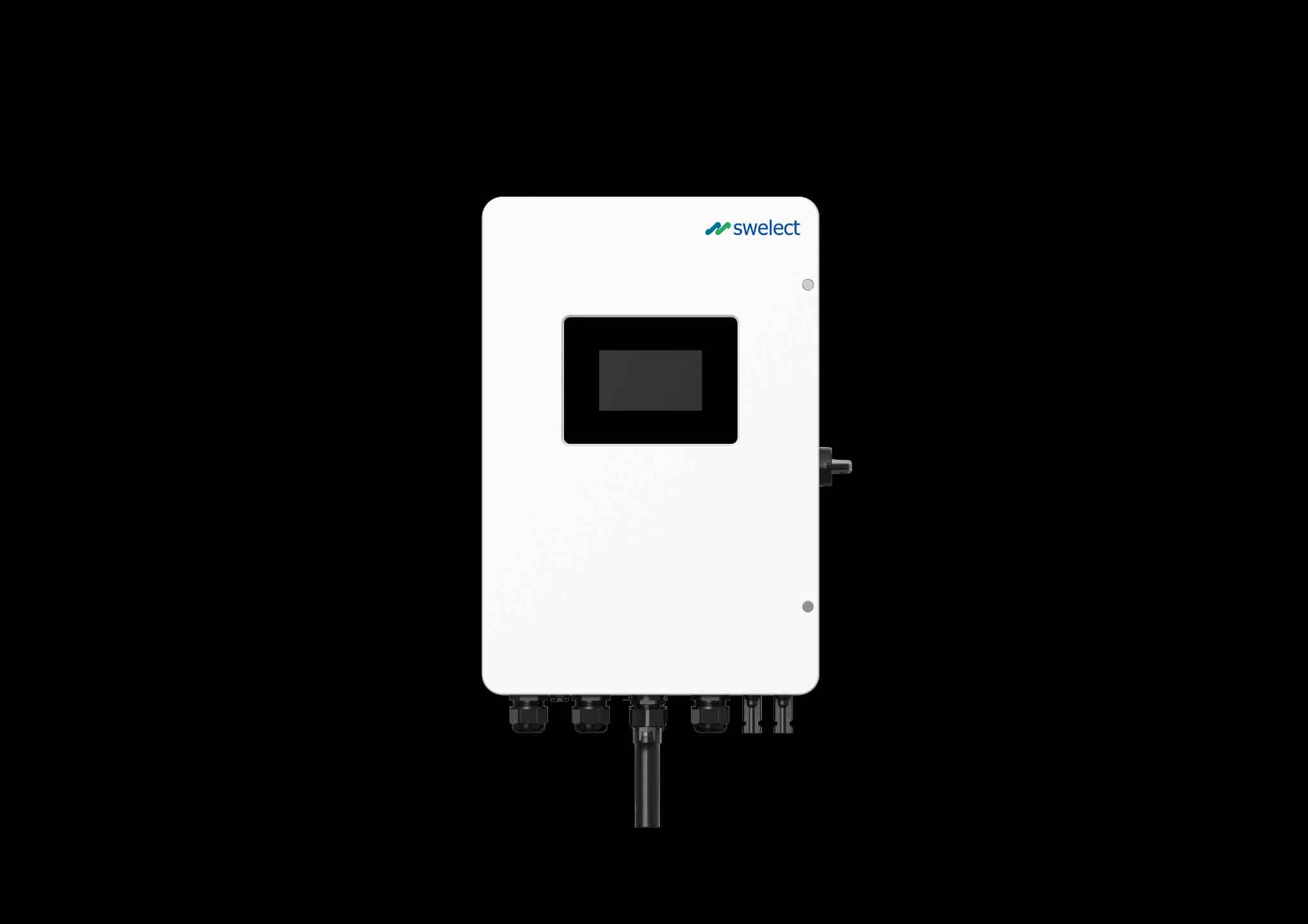
Our focus is therefore not limited to batteries alone. We see significant opportunities across the broader power electronics ecosystem, including hybrid inverters, Power Conversion Systems (PCS), Battery Management Systems (BMS) and Energy Management Systems (EMS).
Fortunately, power electronics is an area where SWELECT already possesses strong capabilities because of our long history in manufacturing UPS systems and related technologies. That existing expertise provides a strong foundation as we expand into Battery Energy Storage Systems.
At the same time, battery technology itself continues to evolve rapidly.
While lithium-ion remains the dominant chemistry today, new technologies—including sodium-ion batteries—are progressing quickly. As these technologies mature, the surrounding power electronics must also evolve to support changing battery characteristics, grid requirements and operational capabilities.
This makes investment decisions particularly interesting. Manufacturing infrastructure must remain flexible enough to accommodate rapid technological evolution without becoming obsolete.
Our manufacturing strategy therefore focuses on technologies where we believe we can create long-term value. Initially, this includes areas such as hybrid inverters and Power Conversion Systems, while over time we also see opportunities to progressively localise critical technologies such as Battery Management Systems and Energy Management Systems.
Our objective is not simply backward integration. It is about building indigenous technological capability in the areas that will define the future intelligence of Battery Energy Storage Systems.
India is making significant investments across the Battery Energy Storage ecosystem. Do you believe the country has the potential to become a global manufacturing hub for batteries and power electronics? What will it take to achieve that vision?
India certainly has the potential, but we also need to be realistic about the journey ahead.
It is easy to speak about becoming Atmanirbhar or emerging as a global manufacturing leader. However, building a globally competitive battery ecosystem requires much more than establishing factories. It demands sustained investments in manufacturing capability, technology development, research, and innovation.
The first milestone is to build a strong manufacturing base. The Government of India has already taken important steps by encouraging domestic manufacturing through policy support and incentive schemes. These initiatives provide the foundation upon which the industry can grow.
Once that manufacturing ecosystem is established, companies gain practical experience, skilled manpower begins to develop, and a deeper understanding of the technology emerges. Only then can the industry move beyond simply assembling products towards improving designs, developing indigenous intellectual property and creating differentiated technologies.
This is precisely how several global manufacturing leaders evolved. They began by mastering manufacturing, gradually enhanced their technical capabilities, and eventually invested heavily in research and development to create technologies of their own.
India will need to follow a similar path.
Research and development in advanced battery technologies requires significant capital and long-term commitment, and much of that investment today must come from private industry. This makes the journey more challenging, but it is also an opportunity for large Indian companies to lead the next phase of technological development.
We are already seeing encouraging commitments from major industrial groups, and I believe more companies will begin investing in advanced battery technologies as the ecosystem matures.
There are no shortcuts. First comes manufacturing capability, followed by technology improvement, deeper localisation, and ultimately innovation. That progression is essential if India wants to become a true global leader in battery manufacturing and power electronics.
Looking ahead, which emerging battery technologies or energy storage solutions excite you the most? How do you see the technology landscape evolving over the next decade?
Before discussing future technologies, I believe the industry must first succeed with the technologies we are deploying today.
Across the world, billions of dollars are being invested in Battery Energy Storage Systems based on projected battery life and performance. Our immediate responsibility is to ensure these systems actually deliver what has been promised over their operational lifetime.
For me, the first priority is ensuring that today’s lithium-ion batteries perform reliably for the 12 to 15 years that project developers and investors expect. That may sound like a basic objective, but it is fundamental to building long-term confidence in the industry.
Once we establish that foundation, the focus naturally shifts towards next-generation technologies.
Lithium-ion will continue to dominate short-duration energy storage, particularly for applications requiring two to four hours of storage. The technology continues to improve through advances in cell chemistry, electrolyte formulations, energy density and larger-format battery cells, all of which will contribute to improved performance and lower system costs.
At the same time, sodium-ion batteries represent one of the most promising developments for long-duration energy storage. Considerable progress has already been made globally, and sodium-ion offers the potential for safer operation while supporting applications that extend beyond the traditional two-to-four-hour storage window.
I also believe Pumped Hydro Energy Storage (PHES) will remain an extremely important part of the global storage mix. It is a proven technology with decades of operational experience and is particularly well suited for six-, eight- and even ten-hour storage applications. India possesses significant opportunities in this area because of its geographical diversity and expanding renewable energy ambitions.
Another technology that I find particularly interesting is the Vanadium Redox Flow Battery (VRFB).
Unlike lithium-ion batteries, flow batteries are capable of handling frequent charge-discharge cycles without experiencing the same level of degradation. This makes them highly attractive for applications where batteries may cycle several times a day. Although the economics are still evolving, I believe flow batteries will eventually find important niche applications where cycle life is more valuable than energy density.
Compressed Air Energy Storage (CAES) also remains an interesting technology for long-duration storage, although its deployment depends heavily on geological conditions and is therefore location-specific.
Ultimately, I do not believe a single battery chemistry will dominate every application.
The future energy storage ecosystem will be built around multiple technologies, each optimised for different operating requirements. Lithium-ion will continue leading short-duration storage, while sodium-ion, pumped hydro, flow batteries and other emerging technologies will gradually address longer-duration and specialised applications.
As the industry matures, selecting the right technology for the right application will become far more important than identifying a single universal solution.
SWELECT has been expanding its presence across Battery Energy Storage Systems, power electronics and international markets. Could you share your long-term vision for the company and what we can expect over the next few years?
Our vision for SWELECT is built around creating an integrated clean energy ecosystem rather than participating in only one segment of the value chain.
Today, we are focused on three strategic growth areas.
The first is our Independent Power Producer (IPP) business. We have set ourselves the goal of building a renewable energy portfolio of approximately 1 GW, with Battery Energy Storage Systems becoming an integral part of future projects. Increasingly, our Commercial & Industrial (C&I) offerings are being designed around solar-plus-storage solutions that deliver greater energy reliability and better value for customers.
We are already witnessing encouraging momentum. A significant number of projects are currently under execution or in advanced stages of Power Purchase Agreement (PPA) finalisation, and we remain confident about scaling this portfolio substantially over the coming years.
The second area is our product business.
Drawing on our long history in power electronics, we are developing integrated solutions for the residential and C&I markets, including battery-integrated hybrid inverter platforms and advanced Power Conversion Systems. Our objective is to offer intelligent products that combine renewable generation, battery storage and energy management into a seamless solution for customers.
The third area is our expansion into international Battery Energy Storage System projects.
Through our joint venture with Fortify Grid in the United States, we are actively exploring opportunities in front-of-the-meter Battery Energy Storage Systems, including merchant storage projects. We believe the U.S. market presents attractive long-term opportunities, both from an investment perspective and in terms of Engineering, Procurement and Construction (EPC) services.
Our intention is to leverage SWELECT Energy engineering capabilities while expanding into international markets where Battery Energy Storage Systems are already becoming an essential part of modern electricity networks.
Overall, our strategy is straightforward—we want to combine our expertise in renewable energy, power electronics and battery storage to build a diversified clean energy business that is positioned for the next phase of the global energy transition.
 Electrify your feed! Click here to join our Whatsapp group and to get the latest updates, expert insights, and innovations driving India’s energy storage revolution.