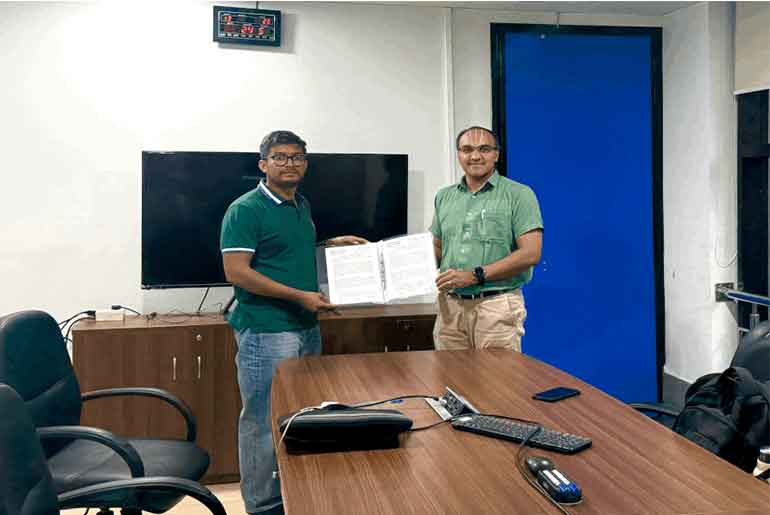
XaVolt Energy Pvt Ltd and Solvo Cell Tech have formally entered into an Joint Research Agreement (JRA) on battery technologies. The announcement, which was made on April 25, 2026, establishes a partnership to develop new battery materials and electrochemical systems, particularly in the areas of solid state electrolytes and advanced cathode material.
A Research-Driven Alliance
The partnership brings together XaVolt’s focus on scalable energy storage and Solvo Cell Tech’s deep academic roots in chemical engineering. Solvo Cell Tech is recognized for its work in developing novel materials that aim to fix the “big three” issues in the battery world: safety, energy density, and cost. Operating within a high-tech laboratory ecosystem, Solvo provides the scientific validation required to move early-stage battery chemistry from the lab bench to the pilot line.
A significant contributor to this synergy was Professor Sudarshan Narayanan from the Department of Sustainable Energy Engineering at IIT Kanpur. His support facilitated the agreement by acting as a bridge between high-tech university research and its application in industry. Professor Narayanan is a well-known expert in solid-state interfaces and battery microstructure, which aligns perfectly with the technical goals of this JRA.
Scaling Beyond Lithium-Ion
XaVolt sees this as not just a research project but a comprehensive strategy plan. Led by Dr. Saravanakumar Murugan, an expert in sulfur chemistry and solid-state technology, the company is planning to position itself at the forefront of “beyond-lithium” technologies. XaVolt and Solvo are working together to speed up the development of safer and more widely available alternate battery types – specifically, sodium-sulfur (Na-S) and solid-state sulfur-based batteries – compared to conventional lithium-ion batteries.
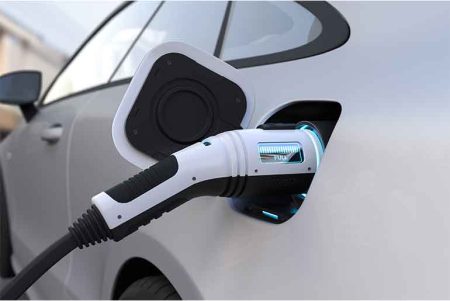
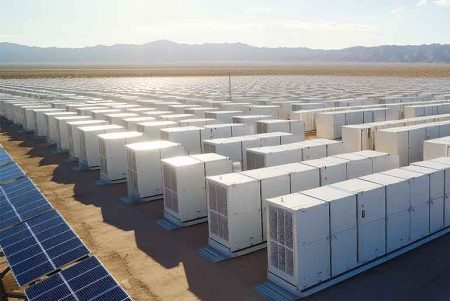
The aim of this collaboration is to build an extensive pipeline of patents and intellectual property (IP), including characteristics that enhance electrochemical stability and ultimately increase the service life of battery cells. This will play a critical role in establishing a self-sustaining energy storage supply chain in light of India’s increasing need for local and affordable methods of storing energy to support both Evergreen Vehicles (EVs) and the electrical grid.
 Electrify your feed! Click here to join our Whatsapp group and to get the latest updates, expert insights, and innovations driving India’s energy storage revolution.