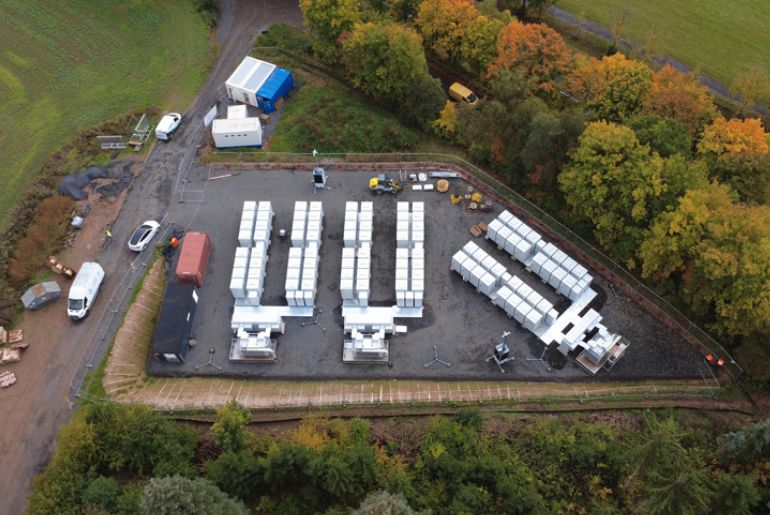
ABO Energy has built a 16 MW / 33 MWh battery energy storage facility in Waldkappel in Hesse, Germany. This makes the grid more flexible and helps bring renewable energy into the area.
The project, located in the federal state of Hesse, was developed by ABO Energy and delivered for renewable infrastructure company Field. According to the companies, the battery system can store enough electricity to supply nearly 10,000 two-person households overnight.
Project Background and Ownership
The Waldkappel battery storage project was sold by ABO Energy to Field in the second quarter of 2025, before construction began. The project marks Field’s first energy storage asset in Germany as the UK-based company works to expand its energy storage portfolio across European markets.
Field already operates battery storage facilities in several countries and aims to build a cross-border platform for flexible energy systems. The company plans to focus on grid-connected storage projects in areas where power systems require additional flexibility and support.
Technical Design and System Features
The battery storage system in Waldkappel uses a modular rack layout instead of the usual container-based layouts. This design method makes installation faster and better at managing heat, which helps the system run well and stay reliable.
The project is also capable of delivering full output for more than two hours, making it suitable for balancing fluctuations in renewable energy generation.
Role in Renewable Energy Integration
Battery energy storage systems are becoming increasingly important in modern power grids. They help store surplus renewable energy during periods of high generation and release it during times of higher demand, improving the stability of electricity networks.
Highlighting the importance of storage technology, the company said “battery storage plays a key role in supporting a secure, climate-friendly and flexible energy system.”
The project represents an important step in expanding grid-scale battery storage infrastructure in Germany and supports the broader transition toward a more flexible and renewable-powered energy system.
 Electrify your feed! Click here to join our Whatsapp group and to get the latest updates, expert insights, and innovations driving India’s energy storage revolution.