The Board of Directors of the African Development Fund (ADF) has approved a grants package totaling $23.36 million to provide clean and reliable electricity to Bosaso, a major city in Somalia.
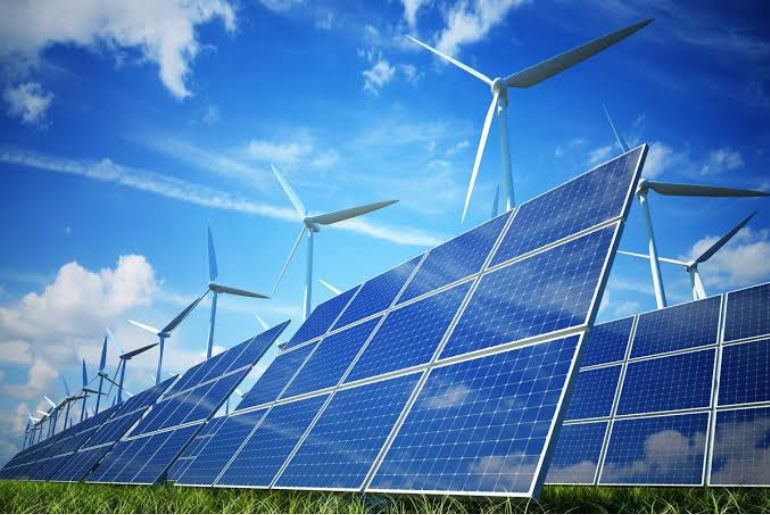
The initiative, titled Rehabilitation and Expansion of Bosaso Power Grid and Strengthening of Energy Sector Institutions, will be financed through the African Development Fund ($9.62 million) and the Transition Support Facility ($13.74 million). The project aims to introduce new solar generation capacity, expand the city’s electricity distribution network, and install modern meters to help households manage energy consumption efficiently. Additionally, solar home systems will be provided to families who previously lacked access to electricity, including internally displaced persons living in vulnerable conditions.
Somalia continues to have one of the lowest electricity access rates worldwide, with approximately half of its population living without power. Those connected face extremely high electricity costs due to reliance on diesel generators, which are both expensive and environmentally harmful. The lack of reliable electricity hampers daily life, limits business growth, and strains government agencies that manage the energy sector due to insufficient technical and financial resources.
Bubacarr Sankareh, the Bank Group’s Lead Operations Advisor for Somalia, said: “This project will change lives in Bosaso for families and small businesses. It will make electricity cheaper, cleaner and more reliable and is a major step toward a stronger and more resilient energy future for Somalia.”
The project is expected to reduce electricity costs for residents, enabling markets, small shops, and service providers to operate more reliably. Households will benefit from improved access to lighting, refrigeration, and essential services. The transition to cleaner energy will also reduce pollution, enhancing living conditions in densely populated neighborhoods.
Furthermore, the project will generate employment opportunities during the construction phase and provide long-term jobs in system operation and maintenance. It will also support public institutions through technical training and capacity building, strengthening Somalia’s ability to plan and regulate its energy sector.
By replacing diesel generators with solar power and battery storage, the initiative will also significantly cut carbon emissions, contributing to Somalia’s long-term climate goals.
 Electrify your feed! Click here to join our Whatsapp group and to get the latest updates, expert insights, and innovations driving India’s energy storage revolution.