




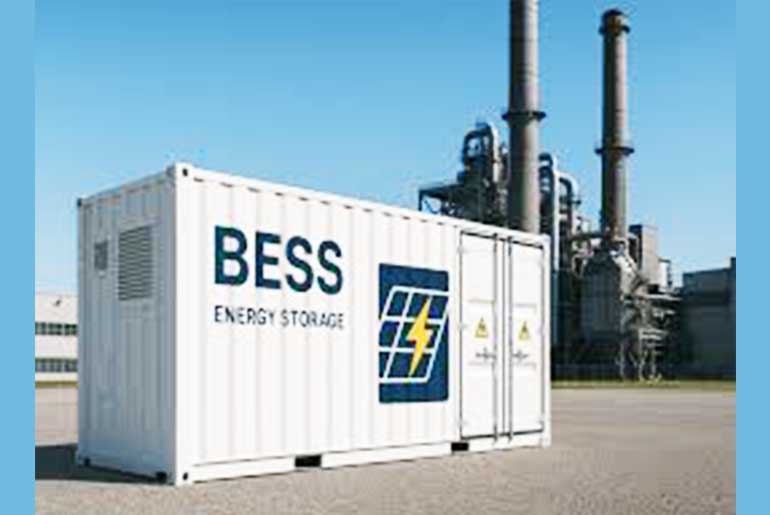
Bondada Engineering has announced that it has secured a major contract with NTPC Renewable Energy Limited (NTPC REL) to develop a 100 MWh Battery Energy Storage System (BESS), which further consolidates the position of Bondada in the rapidly growing clean energy and power infrastructure sectors in India. The project seeks to boost the grid’s reliability by storing renewable energy when solar and wind generation is high and releasing it during peak times, in line with India’s broader goals of integrating renewable energy and moving to cleaner energy sources.
The contract comes as government-owned utilities step up investment in advanced energy infrastructure and renewable power development. Industry watchers believe such projects are likely to open up more opportunities for EPC firms working in the energy infrastructure sector. India has set an ambitious target to reach 500 GW of non-fossil fuel power capacity by 2030, and as renewable energy generation continues to grow, battery storage will be critical in balancing the intermittent nature of solar and wind power.
India’s battery energy storage market has witnessed significant growth over the past two years, driven by supportive government policies, declining technology costs, and rising demand for reliable renewable energy. According to government estimates and industry reports, the country is expected to require at least 200 GWh of battery storage capacity by 2030.
Industry experts say that utility-scale battery energy storage systems have gone from a nice-to-have to a must-have in renewable energy infrastructure. Energy storage systems enhance grid flexibility, reduce the curtailment of renewable energy, and enable utilities to better manage peak demand. The rate of utility-scale battery storage installations is likely to ramp up over the rest of the decade, as battery prices continue to fall and policy support increases.
The NTPC REL contract is seen as strategically important not just for Bondada Engineering but also for the broader domestic supply chain supporting India’s clean energy transition. The increased deployment of battery storage systems is expected to create jobs, attract private sector investment, and improve the country’s renewable energy ecosystem. The latest order highlights the growing commercial opportunity for investors in India’s clean energy market. As utility-scale battery storage becomes an integral part of renewable energy development, companies with strong execution capabilities are likely to benefit from a strong pipeline of future projects supporting long-term growth in India’s energy infrastructure sector.
 Electrify your feed! Click here to join our Whatsapp group and to get the latest updates, expert insights, and innovations driving India’s energy storage revolution.


1 Comment
Ess is future there others options for ESS like Hydrogen pump hydrogen