India’s power sector is at a defining moment. Rapid economic growth, urbanization, and electrification are driving electricity demand to unprecedented levels, while the country simultaneously pursues one of the world’s most ambitious clean energy transitions. Peak demand has already touched around 260 GW in 2025 and could cross 400 GW by 2031–32. At the same time, renewable energy capacity has surged beyond 203 GW, fundamentally changing how our power system operates. In this evolving landscape, flexibility is no longer optional it is essential. Demand Side Energy Management (DSEM) must therefore move to the centre of India’s power strategy.
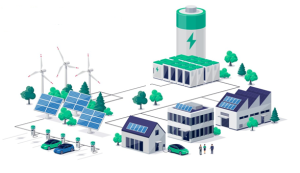
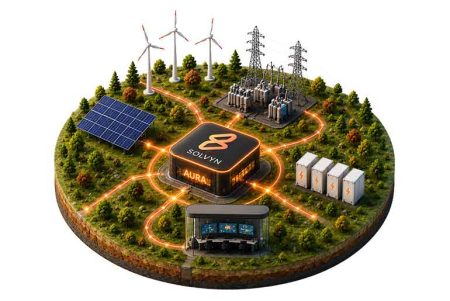
At its core, DSEM is about intelligently shaping electricity demand to match the realities of supply. With solar and wind forming an increasing share of generation, variability has become a defining feature of the grid. Solar peaks at midday, wind fluctuates across hours and seasons, and demand peaks often occur at different times particularly during summer evenings due to cooling loads. Relying solely on flexible generation to manage this mismatch is costly and carbon-intensive. DSEM offers a cleaner, more economical alternative by making demand itself responsive.
The benefits of DSEM are multifaceted. First, it helps reduce peak load. Even modest demand response during critical hours can significantly lower the need for expensive peaking power plants and defer investments in generation and transmission infrastructure. Regulatory initiatives, such as proposals to meet a portion of peak demand through flexible demand, signal the growing recognition of this value. Second, DSEM supports renewable integration. By shifting loads such as industrial processes or electric vehicle charging to periods of high solar or wind output, we can minimize renewable curtailment and reduce dependence on fossil fuels.
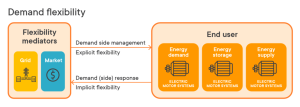
Third, DSEM enables cost-effective grid operations. Flexible demand lowers fuel costs, reduces ramping stress on thermal plants, and improves system balancing. These efficiencies ultimately translate into savings for utilities and consumers alike. Fourth, it empowers consumers. With time-of-day tariffs, smart meters, and automated technologies, consumers can lower bills, access new revenue streams through demand response, and gain greater control over their energy use. Finally, by distributing flexibility across millions of consumers rather than a few assets, DSEM enhances grid resilience against outages, supply shocks, and extreme weather events.
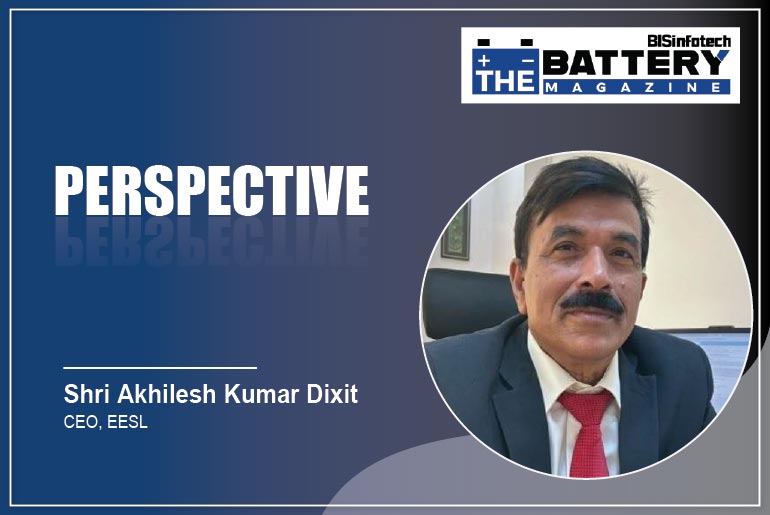
India has begun laying the foundation for this transition. Smart meter deployment, time-of-day tariffs in several states, and pilot demand response programs are important first steps. EESL has played a pivotal role in scaling smart metering, enabling two-way communication and real-time consumption insights. For example, large-scale deployments in states like Uttar Pradesh demonstrate how digital infrastructure can unlock demand-side flexibility at scale.
However, challenges remain. Incomplete smart meter rollout, regulatory gaps in compensating demand response, limited consumer awareness, and concerns around upfront costs and data security must be addressed. Accelerating DSEM will require coordinated action: completing smart meter deployment, establishing clear demand response markets, standardizing grid-interactive technologies, and investing in consumer engagement and incentives.
In conclusion, Demand-Side Energy Management is not merely an efficiency measure it is a strategic pillar of India’s clean energy future. By embracing DSEM, India can integrate more renewables, reduce system costs, strengthen reliability, and place consumers at the heart of the energy transition. At EESL, we remain committed to enabling this shift and building a power system that is flexible, resilient, and sustainable for generations to come.
 Electrify your feed! Click here to join our Whatsapp group and to get the latest updates, expert insights, and innovations driving India’s energy storage revolution.