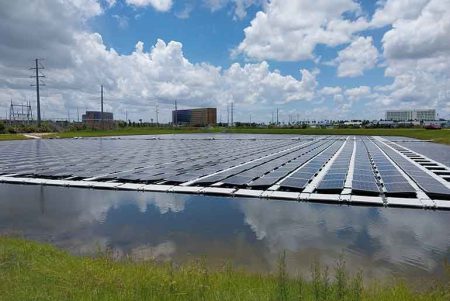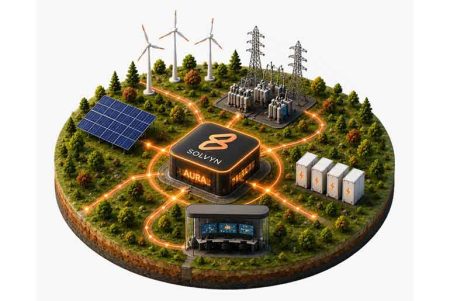
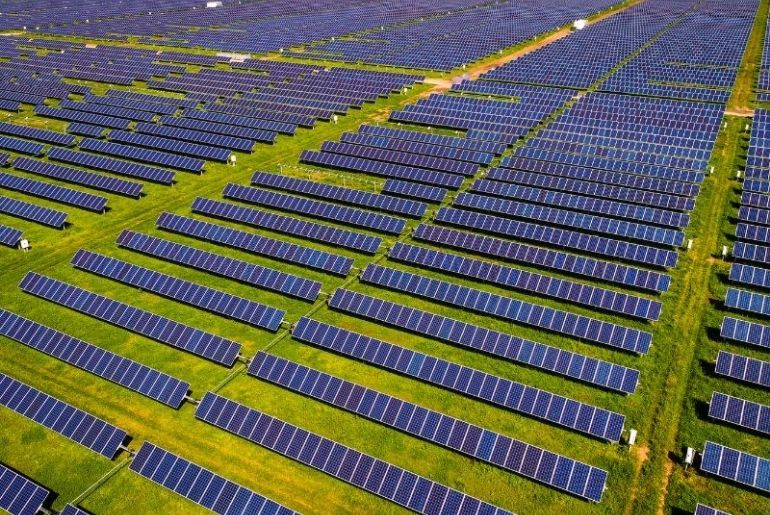
ENGIE, a global leader in low-carbon energy and services, has been awarded its first hybrid Solar PV and Battery Energy Storage System (BESS) project in India through a competitive bidding process conducted by the Solar Energy Corporation of India (SECI). The project features 200 MW of solar capacity paired with a 100 MW / 600 MWh battery energy storage system, marking a milestone in India’s renewable energy transition.
Project Overview
The new hybrid project will operate on a Build-Own-Operate (BOO) model, supplying power under a 25-year Power Purchase Agreement (PPA) with SECI. This initiative is designed to deliver round-the-clock renewable electricity, strengthening grid resilience and supporting India’s ambition to achieve reliable 24/7 renewable power.
The project will now move into the engineering, procurement, and regulatory approval phase, followed by construction. ENGIE will collaborate closely with technology partners, suppliers, and regulatory authorities to ensure timely and compliant execution.
Reinforcing ENGIE’s Commitment in India
This award follows ENGIE’s first standalone BESS project of 280 MW / 560 MWh, secured in November 2025. Currently, ENGIE has nearly 2 GW of renewable assets in operation and under construction across India, reflecting its long-term commitment to supporting the country’s energy transition.
Amit Jain, CEO and Country Manager of ENGIE India, said:
“This project marks a major first for us—our first hybrid Solar + Storage project in India. By integrating long-duration storage with large-scale solar, we’re supporting India’s ambition for 24/7 renewable power and stronger grid resilience.”
He added:
“This win deepens ENGIE’s commitment as a long-term partner in building a future-ready, low-carbon energy system capable of meeting both demand shifts and global disruptions.”
Strategic Impact
The hybrid solar-plus-storage system is expected to provide reliable, clean energy during peak demand periods, addressing the variability of solar and wind power. It strengthens ENGIE’s position as a key partner in India’s clean energy sector and contributes to the development of a resilient, low-carbon power system aligned with the country’s renewable energy goals.
 Electrify your feed! Click here to join our Whatsapp group and to get the latest updates, expert insights, and innovations driving India’s energy storage revolution.