By FY2031-32, India’s data centres alone are expected to consume 13.56 GW of electricity. At the same time, India has already achieved its target of sourcing 50 percent of its installed electricity capacity from non-fossil fuel sources, five years ahead of its 2030 deadline. Together, these milestones reflect the scale and speed of the country’s industrial and energy transition. They also bring a new challenge into focus. As electricity systems become more complex and renewable energy adoption accelerates, ensuring the quality of power delivered across industrial operations is becoming increasingly important.
For years, the emphasis has been on expanding generation capacity. The next phase of India’s growth will depend equally on modernising the electrical infrastructure that delivers power to increasingly digital, automated and energy-intensive industries.
Renewable integration is changing the rules
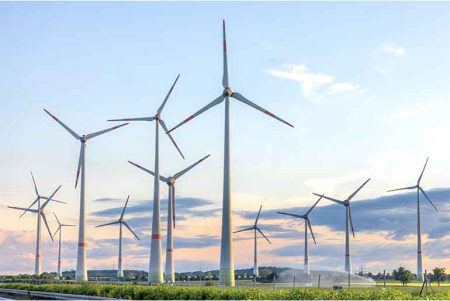
India’s rapid expansion of renewable energy is reshaping the country’s electricity ecosystem. Yet every new solar park, wind farm and Battery Energy Storage System connected to the grid also changes the way electricity behaves.
As renewable energy penetration increases, maintaining voltage and grid stability, managing harmonics and balancing reactive power become significantly more important. The question is no longer whether industries can adopt clean energy. It is whether their electrical infrastructure is ready for it.
This is where the quality of electricity moves beyond an engineering discussion. It becomes a business priority that directly affects efficiency, equipment performance and operational continuity.
Modern industries cannot afford electrical disruptions
Whether it is an automated factory or an AI data centre, both rely on one critical foundation which is the availability of clean, stable and reliable electricity.
Today’s factories are far more automated than they were a decade ago. Robotics, automated production lines, precision equipment and AI driven manufacturing have transformed industrial operations. While these technologies improve efficiency, they are also far less forgiving of electrical disturbances.
Consider an automated steel plant where even a brief voltage dip can interrupt a rolling mill. Restarting operations is rarely immediate. It can lead to production delays, material losses, higher energy use and missed delivery schedules. Similarly, harmonic distortion can reduce transformer life, overheat motors and increase maintenance costs, while poor power factor results in avoidable energy penalties. As industrial systems become smarter and more connected, the cost of poor-quality electricity only continues to rise. One more unnoticed nuisance in electrical system is spurious tripping of protection system caused due to harmonics.
AI and Data Centres Are Raising the Bar
AI and cloud computing are creating a new class of energy intensive infrastructure. Unlike conventional facilities, modern data centres operate around the clock and have virtually no tolerance for voltage instability or electrical disturbances. Even momentary interruptions can affect mission critical workloads and business continuity.
This is reshaping how industries invest in electrical infrastructure. Reliable power is no longer simply about preventing outages. It is about ensuring consistent power quality that supports uninterrupted digital operations.
As factories increasingly rely on connected machines, industrial IoT and real time analytics, electrical resilience becomes essential to maintaining productivity.
Battery storage will play a much bigger role
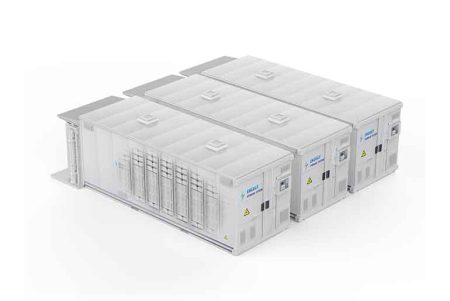
Battery Energy Storage Systems are no longer just backup assets. They are becoming critical enablers of grid stability and consistent power delivery. As industries integrate more renewable energy, storage systems help manage intermittency, improve voltage stability and strengthen the resilience of electrical networks. Their value lies in delivering cleaner, more reliable power.
When combined with intelligent power management, battery storage enables industries to maximise renewable energy without compromising operational reliability. Working alongside technologies that optimise power factor, manage reactive power and minimise harmonics, it helps build electrical systems that are more efficient, resilient and future-ready. As India’s energy transition accelerates, integrating storage with intelligent electrical infrastructure will be essential for sustainable industrial growth.
Power Quality Will Become India’s Competitive Advantage
India’s ambition to become a global manufacturing and digital powerhouse depends not only on expanding renewable energy but also on strengthening the electrical systems that support it. As industries become more automated, connected and energy-intensive, power quality will play a defining role in improving productivity, reducing operational risks and enabling sustainable growth. Businesses that invest in intelligent electrical infrastructure today will be better positioned to navigate the evolving energy landscape and unlock long-term value.
We can gauge that by the next decade, competitive advantage will not be defined by how much power industries consume, but by how intelligently and reliably they use it.
 Electrify your feed! Click here to join our Whatsapp group and to get the latest updates, expert insights, and innovations driving India’s energy storage revolution.