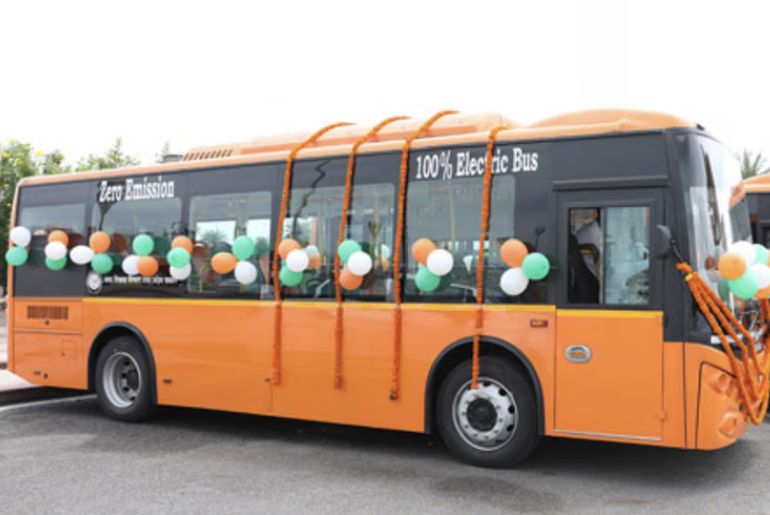
GreenCell Mobility (GCM), one of India’s leading electric bus platforms backed by Eversource Capital, has raised INR 8 billion (approximately USD 89 million) in mezzanine financing from a trio of major investors the International Finance Corporation (IFC), British International Investment (BII), and Tata Capital.
Funding to Drive Fleet Expansion and Infrastructure Development
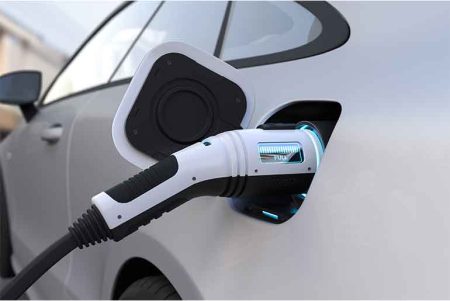
The funding, structured as mezzanine financing a hybrid of debt and equity is earmarked to accelerate GreenCell’s fleet expansion and expand related charging infrastructure across the country.
GreenCell currently operates more than 1,200 electric buses on both intra‑city and intercity routes, supported by over 270 charging stations nationwide. Through this capital infusion, the company plans to grow its fleet to approximately 3,700 electric buses, including vehicles secured through auctions under the National E‑Bus Program and the government’s PM Seva E‑Mobility initiative. These buses are expected to run across Delhi, Madhya Pradesh, Andhra Pradesh, Bihar, and the Union Territory of Puducherry.
Investor and Company Perspectives
Dhanpal Jhaveri, Vice Chairman of the Everstone Group and CEO of Eversource Capital, highlighted the importance of the round:
“Through this funding round for GreenCell Mobility, we are deepening our partnership with IFC, BII and Tata Capital (leaders in sustainable investments). The transaction exemplifies the catalytic role that private, development and institutional capital can play in accelerating India’s clean transport revolution.”
GreenCell’s Managing Director & CEO, Devndra Chawla, emphasized the strategic significance of the investment:
“This fundraise marks a significant milestone in GreenCell Mobility’s journey to build electric mobility as a mainstream, scalable public transport solution for India. The participation of IFC, BII and Tata Capital reflects strong conviction in our platform, our operating model, and our ability to execute at scale. As we expand our fleet and charging infrastructure across states under programmes such as PM Seva E‑Mobility, our focus remains on delivering reliable, cost‑efficient and zero‑emission transport for cities and intercity corridors. We believe electric buses will be foundational to India’s next phase of urban mobility, and this capital positions us well to support that transition responsibly and sustainably.”
From the investor side, key leaders also spoke about the broader impact of the funding. Katherine Koh, Regional Industry Manager for Infrastructure and Natural Resources at IFC for Asia and Pacific, said:
“Electrifying buses is central to India’s urban transformation agenda, and our mezzanine investment in GreenCell will accelerate the rollout of sustainable public transport for thousands of people across India’s tier‑2 and tier‑3 cities. It will create jobs while catalyzing private capital through innovative financing and payment‑security models. Together, this approach strengthens economic growth and positions India at the forefront of how cities worldwide finance the next generation of urban transport.”
Shilpa Kumar, Managing Director and Head of India at BII, noted the climate focus:
“Climate action is a key priority for BII in India, with electric mobility as a key pillar of our climate investment strategy. Electric buses are a critical lever for decarbonising public transport at scale. Our investment in GreenCell Mobility reflects our commitment to supporting proven platforms that accelerate clean mobility.”
Mr. Manish Chourasia, Chief Operating Officer – Corporate & Cleantech Finance at Tata Capital added:
“Tata Capital is pleased to participate in this strategic investment that accelerates India’s transition to cleaner, more efficient transport. GCM’s innovative approach aligns with our vision for sustainable urban development and inclusive growth.”
GreenCell has indicated that the funding will support its continued expansion and underline investor confidence in the build‑out of electric public transport infrastructure across India.
 Electrify your feed! Click here to join our Whatsapp group and to get the latest updates, expert insights, and innovations driving India’s energy storage revolution.