

The Haryana Electricity Regulatory Commission (HERC) has rejected a petition by ASK Automotive Limited and CMES Power 2 Private Limited challenging overdrawal and deviation charges levied by Dakshin Haryana Bijli Vitran Nigam Limited (DHBVNL). In its October 30, 2026, order, the Commission upheld the applicability of consumer-side overdrawal charges and generator-side deviation penalties, observing that such measures are essential for maintaining grid discipline, ensuring compliance with electricity regulations and safeguarding power system stability.
The order was passed by a bench comprising Officiating Chairman Mukesh Garg and Member Shiv Kumar. The Commission directed both petitioners to clear all outstanding amounts under the disputed invoices in accordance with the applicable regulations.
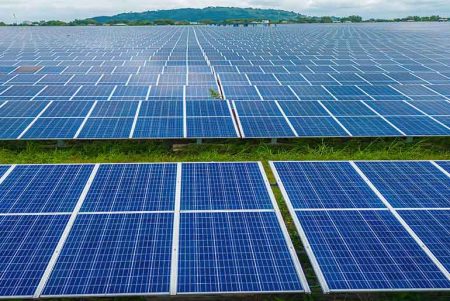
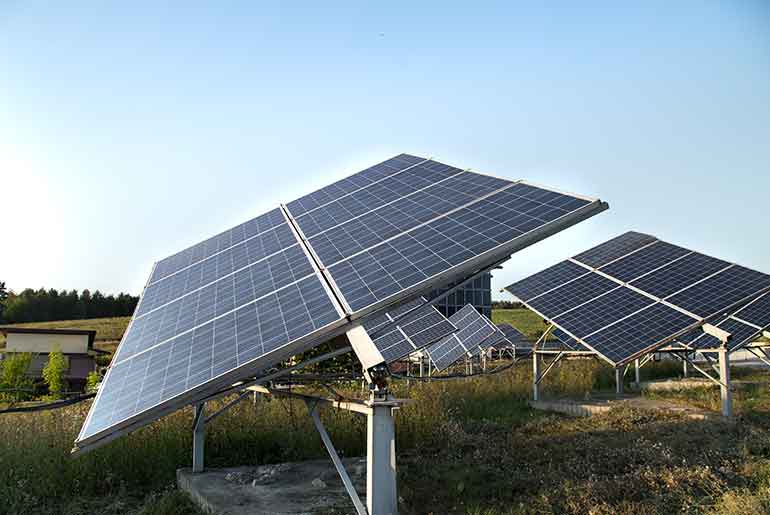
ASK Automotive Limited operates as a long-term open access (LTOA) captive consumer and draws 6.6 MW of solar power from CMES Power 2 Private Limited. The latter operates a 50 MW solar power park in Sirsa, Haryana. The dispute began when DHBVNL raised monthly bills against ASK Automotive for overdrawal and energy imbalance. At the same time, Haryana Vidyut Prasaran Nigam Limited (HVPNL) imposed Deviation Settlement Mechanism (DSM) penalties on CMES Power 2 for supplying less solar electricity than scheduled.
The petitioners challenged the charges, arguing that solar power generation naturally fluctuates because of changing weather conditions. According to them, reduced solar generation results in lower electricity injection into the grid, which leads to corresponding overdrawal by the consumer. They claimed that imposing separate charges on the generator and consumer for the same energy shortfall amounted to double jeopardy and resulted in unjust enrichment for the distribution company.
The companies also argued that there was a regulatory gap concerning deviation charges applicable to long-term open access consumers using renewable energy. They requested that overdrawal within their sanctioned contract demand should be covered by standby capacity charges or limited to 25% of energy charges.
However, DHBVNL opposed the petition and maintained that generator under-injection and consumer overdrawal are separate operational defaults involving different legal entities. It also explained that unscheduled electricity consumption requires distribution companies to purchase additional power in real time, often at higher prices, to maintain grid frequency and system balance.
After examining the arguments, HERC rejected all major claims raised by the petitioners. The Commission held that Regulation 8(1)(f) of the Haryana Green Energy Open Access Regulations, 2023, provides a clear framework for deviation settlement charges by referring to existing DSM and open access regulations. Therefore, there was no regulatory vacuum.
The Commission also clarified that deviation charges are commercial and compensatory mechanisms rather than criminal penalties. It stated that generator under-injection and consumer overdrawal represent two independent defaults and can attract separate charges without constituting double jeopardy.
HERC also clarified the distinction between standby charges and deviation charges, explaining that standby charges apply to reserved power capacity during planned outages, whereas deviation charges are imposed for real-time mismatches between scheduled and actual electricity consumption or generation. The Commission noted that weather-related commercial risks must be addressed through private contractual agreements and cannot be passed on to regular electricity consumers.
The ruling further reinforces the obligation of renewable energy generators and open access consumers to adhere to their scheduled electricity generation and consumption in accordance with applicable grid regulations.
 Electrify your feed! Click here to join our Whatsapp group and to get the latest updates, expert insights, and innovations driving India’s energy storage revolution.