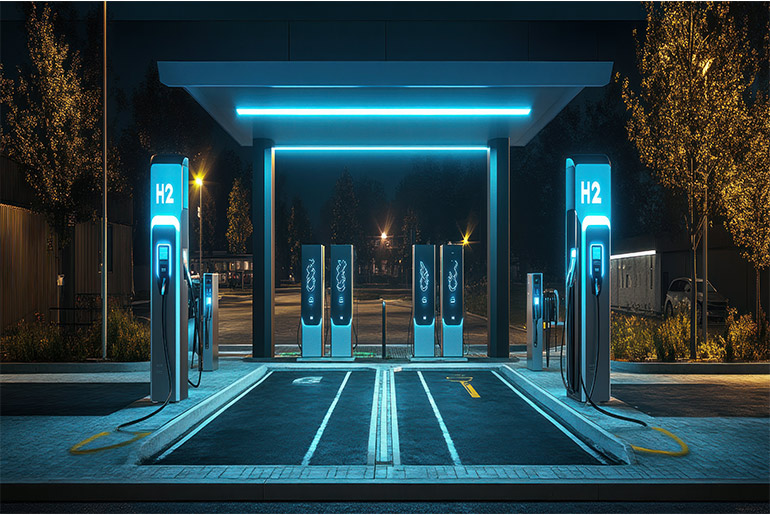
As India speeds up its shift to electric mobility, a commercial EV charging station presents an enticing business opportunity. As EV adoption increases, infrastructure for reliable, secure, and convenient vehicle charging is becoming increasingly important. Commercial EV charging stations can benefit a range of users, including city scooters and long-distance electric buses, in addition to assisting India in reaching its sustainability goals. This article covers everything you need, including marketing strategies, possible business models, installation instructions, expenses and timelines, and safety issues.
Understanding the Various EV Charging Station Types
You should be aware of the types of EV chargers that are available in India before setting up an EV charging station:
- AC Level 1 chargers: 3.3 kW of AC Electric bicycles and compact cars are best suited for Level 1 chargers. These chargers are inexpensive to purchase and work best when the vehicle is left parked for an extended amount of time.
- AC Level 2 Chargers (7–22 kW): Usually found in office buildings, retail centers, and residential neighborhoods. The customer’s charging time will depend on the battery’s capacity, but it typically takes three to six hours.
- DC Fast Chargers (30-180 kW): When you’re driving on the highway, you want to see these chargers at truck stops, fleet stations, or crowded areas.It takes 30 to 90 minutes to charge the majority of EVs.
The charging model depends on your financial ability and the expected foot traffic of your target customers. Most commercial EV charging stations switch from AC chargers to DC fast chargers as demand grows.
Choosing the Location of Commercial EV Charging Stations
Seek out high-traffic locations with good visibility and simple entry and exit points. These are locations such as:
- Retail outlets and shopping malls
- Fuel outlets and service stations
- Industrial and business park complexes
- Highway and road rest stops
Being near a stable power source is essential because the DC fast chargers require high-voltage, three-phase power. Choosing the optimum location for the chargers not only ensures profitability but also makes it easy for the customers to access the chargers.
Permissions and Regulatory Compliance
When setting up EV charging stations in India, you must follow regulations. It consists of:
- Local government and electrical utility approvals
- The state electrical distribution utility must authorize the grid connection
- Certification and safety of electric vehicle supply equipment (EVSE) by the Bureau of Indian Standards (BIS).
Performing these steps complies with the law and can make your EV charging station eligible for tax incentives and subsidies.
Electrical Infrastructure and Power Requirements
The type and number of chargers will determine how much power an EV charging station requires:
- Typically, each AC charger needs 10 to 50 kW.
- Each DC fast charger needs between 50 and 180 kW.
To provide reliable service and avoid equipment failures, a steady grid connection, proper earthing, and surge protection are essential. It’s a beneficial idea to consult certified electricians and power specialists during the installation.
Cost Estimates for Setting Up an EV Charging Station
Here’s a realistic cost breakdown for commercial EV charging stations in India:
- Component Estimated Cost (₹)
- Charger Equipment (AC/DC) 50,000 – 5,00,000
- Electrical Work 10,000 – 50,000
- Civil Work / Site Prep 20,000 – 2,00,000
- Software & Management 20,000 – 50,000 per charger
- Electricity Connection / Transformer 50,000 – 10,00,000
- Maintenance (Annual) 1,20,000 – 2,40,000
Note: Costs may vary depending on location, power requirements, and state-specific regulations.
Selecting the Right Equipment for Your EV Charging Station
Your EV charging station’s long-term success depends upon the equipment you select. Some of the main areas of focus include:
- BIS/ISO-certified chargers
- Features of smart charging such as digital payment channels (UPI, cards, wallets), mobile app compatibility, and real-time energy feedback
- Safety features including emergency shutdowns, surge protection, and proper cable management
- Easily accessible parking bays in reserve for all vehicles
Investing in high-quality equipment offers a stress-free user experience and enhances the reputation of your EV charging station.
Timetable for Installation
If the electrical infrastructure is in place, installing AC Level 1 and 2 chargers usually takes 1 to 2 weeks.
The installation of DC fast chargers can be as long as four to six weeks considering transformer installation, grid clearances, and high capacity requirements.
By proper planning and coordination with nearby electricity boards, installation schedules can be reduced.
Revenue Streams and Business Models
A business EV charging station can earn money in multiple ways:
- Pay-per-use: The customers pay per kWh consumed or per time consumed while charging.
- Subscription Plans: Annual or monthly plans for frequent users.
- Fleet Contracts: Partner with taxi, delivery, or bus companies to have charging options.
- Advertising and Retail Tie-ins: Provide branding at your EV charging station or tie up with cafes or convenience stores.
By being convenient for EV customers, having varied sources of revenue maximizes profitability.
Sample ROI Calculation
| Parameter | Value (₹)
|
| Initial Investment | 20,00,000
|
| Annual Revenue | 15,00,000
|
| Annual Operating Costs | 5,00,000
|
| Net Profit
|
10,00,000 |
| Payback Period | 2 years |
Note: Actual ROI depends on location, charger type, usage patterns, and government incentives.
Upkeep and Operations
Regular inspections and maintenance of chargers, electrical components, and software systems are vital for an EV charging station. Key maintenance activities are:
- Periodic checks on charger performance and battery compatibility
- Keeping the payment gateway smooth at all times
- Offering timely customer service for troubleshooting purposes
- Updating the software and mobile applications to improve user experience
With effective management, your EV charging station will always be a trusted option for EV owners.
Safety Procedures
Safety is a matter of top concern when managing an EV charging station. Key safety practices are:
- Adequate insulation, surge protection, and grounding
- Emergency shut-off systems and fire protection measures
- Visibility of user manuals and emergency telephone numbers
- Regular compliance checks and safety inspections
Safety is the secret to the long-term success of your EV charging station since it fosters trust among users.
Information and Promotion
- Use marketing strategies like these to attract customers to your EV charging station:
- Local advertising and social media promotion
- Partnerships with fleet operators and EV manufacturers
- Listing your station on charging apps such as Tata Power EZ Charge, PlugShare, and Ather Grid
- Visibility will help ensure repeat business and increase foot traffic at your EV charging station.
Government Incentives
India offers various incentives to encourage EV infrastructure, including:
- Lower tax rates for EV supply equipment and related services under GST.
- State-Specific Incentives: Some states provide subsidies, rebates, or concessional land to promote the installation of EV charging stations.
- Utilizing these programs can improve profitability and lower initial costs.
In conclusion
Installing an EV charging station is an important step toward enhancing transportation and can be a profitable business in India. By carefully selecting your site, equipment, regulatory compliance, and business approach, you can create a charging network that is reliable, user-friendly, and environmentally friendly. As more people choose electric vehicles, commercial charging stations will significantly contribute to the growth of electric mobility in India.
 Electrify your feed! Click here to join our Whatsapp group and to get the latest updates, expert insights, and innovations driving India’s energy storage revolution.