India’s energy future is changing fast. The country is making significant progress in clean energy and improving power storage. During the first nine months of 2025, India added 6.1 GW of new solar open-access capacity. This feat is considered very important. This growth shows India’s commitment to clean energy. It also supports the battery industry, which is essential for storing and managing the growing renewable power.
The Rise of Solar Open Access: A Bright Spot for India’s Energy Future
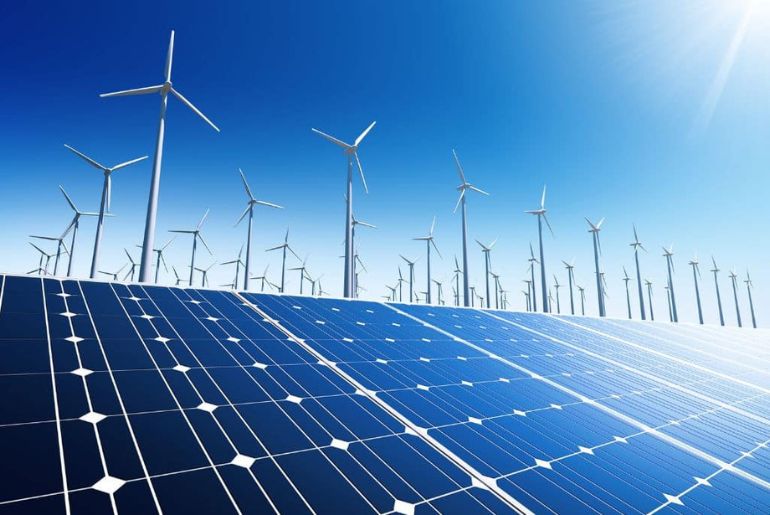
India added 6.1 GW of new solar open-access capacity from January to September 2025, over 13% more than last year. This shows that industries are playing a big role in shaping India’s energy future. Many Commercial and Industrial (C&I) users are choosing cleaner and cheaper solar power to meet their sustainability goals and cut electricity costs. This trend is being led by Karnataka, Rajasthan, and Gujarat. The cumulative solar open-access capacity in India has already reached 27.9 GW until September 2025, and it keeps growing strongly and steadily.
What is the concept of Solar Open Access?
Simply stated, it means large consumers of electricity will buy this power directly from solar companies instead of conventional power utilities. The electricity still flows over the normal grid, but cheaper and cleaner. This helps businesses save money while shifting toward a greener energy future.
The Connection Between Solar Open Access, Renewables, and the Battery Industry
The rapid growth of solar open access is closely linked with India’s renewable energy plans and the growing importance of the battery industry in shaping the country’s energy future.
- Renewable Energy Goals: Added solar capacity propels India to meet its renewable energy needs and cuts carbon emissions. It has aided the country’s goal of reaching 500 GW of clean energy capacity by 2030, making India’s energy future more sustainable.
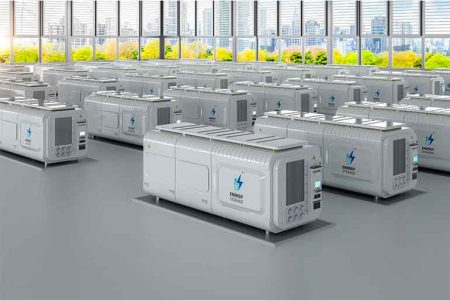
- Battery Energy Storage Systems: Solar power is intermittent in nature-it works just when the sun is shining. On the other hand, C&I consumers need power round the clock. This is why Battery Energy Storage Systems (BESS) are becoming very important for India’s energy future.
-Fixing the problem of intermittent power: BESS stores extra solar energy during the day and uses it later at night or during high-demand hours, making sure businesses get steady power 24/7.
-Keeping the grid stable: The batteries help regulate the ups and downs of the solar power, providing a smoother, more consistent electricity grid.
-New government rules: The government now requires energy storage for many new renewable projects, considering that a resilient and reliable energy future cannot avoid storage.
Navigating the Road Ahead: Challenges for India’s Energy Future
Despite the good growth, the solar open access sector faces certain challenges:
- Regulatory issues: Different states have different rules about banking to include storing extra power with the grid and Additional Surcharges. These differences can complicate planning and impact the profits of energy future projects.
- Weak grid infrastructure: the existing transmission network cannot cope with the increasing amount of solar power, which leads to delays and problems in connection-a consequence that slows down progress toward a smooth energy future.
- Cross-Subsidy Surcharge: This imposition by local utilities can lower the cost advantage of open access solar and make the project less viable from an economic perspective in a competitive energy future.
These challenges show why India needs strong and affordable battery solutions to support its Energy Future.
Powering the Energy Future: Government Policies for Batteries
Recognizing the critical role of batteries, the Indian government has introduced several major policies to build a strong local battery industry and secure the country’s energy future.
- PLI Scheme for ACC Batteries: The government’s ₹18,100 crore PLI scheme aims to set up 50 GWh of Advanced Chemistry Cell (ACC) battery manufacturing in India. It gives financial support to companies that produce batteries locally, helping India depend less on imports and strengthening the energy future.
- Viability Gap Funding (VGF) for BESS: With ₹9,400 crore, this scheme supports 4,000 MWh of battery storage projects by 2031. This makes large-scale battery storage more affordable and important for India’s energy future.
- ISTS Charges Waiver: The government has removed inter-state transmission charges for electricity used to charge batteries. This makes storing and moving renewable power cheaper, helping the energy future grow faster.
- Energy Storage Obligation (ESO): Power distribution companies must now buy a minimum share of electricity from stored energy (mainly BESS). This ensures steady demand for batteries and gives a boost to the energy future.
India’s Battery Champions: Building the Energy Future
These government policies have encouraged major Indian companies to invest in large battery factories:
- Reliance New Energy: Given 15 GWh under the PLI scheme, Reliance is building a big battery plant in Gujarat, focusing on advanced battery technologies for the energy future.
- Ola Electric: Ola received 20 GWh of PLI capacity and is setting up a huge factory in Tamil Nadu for EV batteries, helping power the broader energy future.
- Rajesh Exports Limited: Awarded 5 GWh in Karnataka, the company is working on lithium-ion cell production for the different needs of energy future.
- Tata Group (Agratas) & Amara Raja: Both of these companies are working towards large battery factories outside of the PLI scheme, showing strong belief and long-term commitment toward India’s energy future.
The Way Forward: Securing a Sustainable Energy Future
To achieve their key energy future goals, there are a number of core challenges facing India:
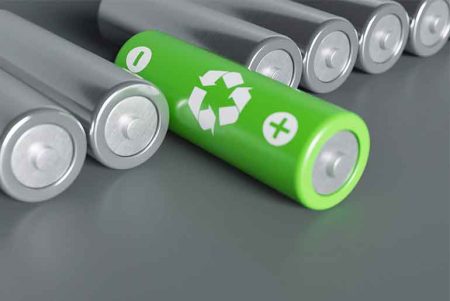
- Raw Material Security: The raw materials needed include minerals such as lithium, cobalt, and nickel, sourced via international collaboration and increased domestic exploration. A strong recycling mechanism of the batteries would contribute to the need for a more circular, sustainable energy future.
- Technology & R&D: India needs to invest more in new battery technologies like sodium-ion batteries, which use materials available in the country. This will reduce dependence on lithium and make the energy future more secure.
- Skilled Workforce: Training people in battery science, automation, and safety is necessary to run advanced gigafactories. A skilled workforce is key to supporting the energy future.
- Stable Policies & Better Infrastructure: India needs consistent rules across states and stronger grid infrastructure. This gives investors confidence and helps long-term growth in the energy future.
By focusing on these areas, India is boosting the supply of renewable energy. It is also building a strong foundation for a clean, reliable, and independent energy future. The increased use of solar energy, along with the faster development of the battery sector, points to a promising future for sustainable energy in India.
Conclusion: The Race to a Reliable Energy Future
India added 6.1 GW to its solar open-access capacity, demonstrating industries’ readiness for transition to clean energy. But putting up solar panels is only the beginning. India’s energy outlook depends substantially on developing a strong domestic battery industry, supported by government incentives like PLI and VGF.
This will require solving certain key challenges for the nation, from ensuring adequate raw material supplies to developing better battery technologies. The goal is to create reliable, round-the-clock power using batteries made in India.
This combined effort from generating solar power to manufacturing advanced batteries is not just about achieving government targets. It is about ensuring a stable, low-cost, and sustainable energy future for the coming generations.
 Electrify your feed! Click here to join our Whatsapp group and to get the latest updates, expert insights, and innovations driving India’s energy storage revolution.