India’s energy storage industry is poised for a critical inflection point in 2026, as the sector shifts from tendering to project execution, according to a new report by the India Energy Storage Alliance (IESA). The market, which saw unprecedented activity in 2025, is expected to demonstrate operational maturity as awarded projects begin commissioning across the country.
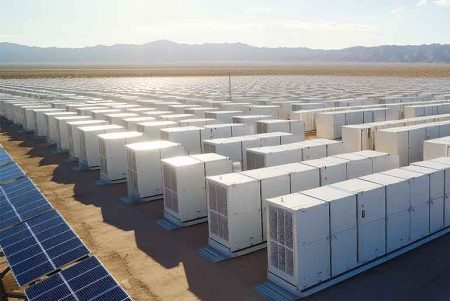
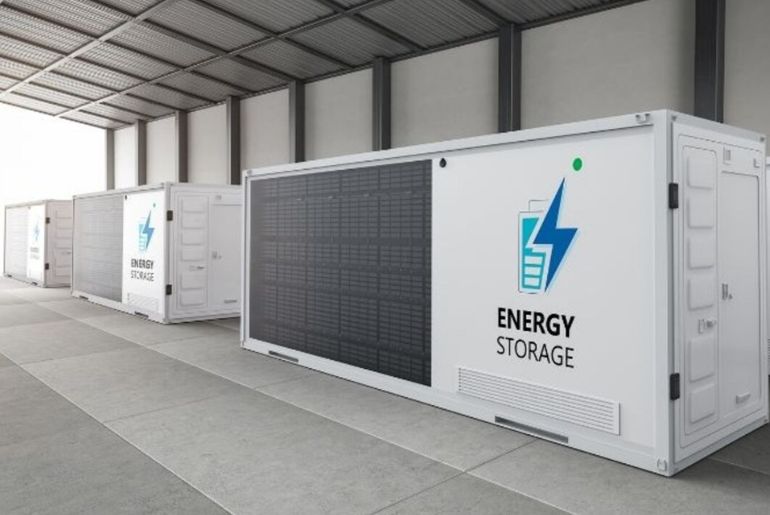
As of December 31, 2025, India’s cumulative energy storage system (ESS) capacity tendered stood at 224 GWh, comprising 92 GWh of battery energy storage systems (BESS) and 132 GWh of pumped hydro storage. Of this, 95 GWh is under execution, 80 GWh remains in tendering, and 47 GWh of tenders have been cancelled. By contrast, only 0.7 GWh of BESS capacity was operational by the end of 2025, with an additional 2 GWh expected to come online by December 2026.
The surge in 2025 was unprecedented: 69 tenders totaling 102 GWh were issued, nearly equaling all tenders combined between 2018 and 2024. According to IESA, 2026 will be the year when these projects are expected to be commissioned, following typical timelines of 18–24 months.
“All eyes will remain on whether the performance of these projects is in line with what was committed,” said Debmalya Sen, President of IESA. “2026 will be the year when a number of projects enter the operational phase. The next challenge is financing these projects, especially those with low tariffs.”
Tariff Collapse Raises Viability Concerns
One of the most striking developments in 2025 was the dramatic fall in tariffs, which stunned the industry. Standalone 2-hour BESS tariffs fell from INR 2.21 lakh/MW/month in early 2025 to just INR 1.48 lakh/MW/month in APTRANSCO’s year-end tender. Similarly, solar-plus-4-hour BESS projects saw tariffs drop to INR 2.70–2.76/kWh, with over 50 new bidders intensifying competition.
While aggressive pricing reflects growing market confidence, it has raised concerns over project viability. “At present, only a few projects from the plethora of tenders have secured financing,” Sen added. “Whether all projects will see the light of day remains uncertain until they are delivered.”
Key Projects and Milestones in 2026
Several high-profile projects will test the sector’s operational capabilities:
- Adani Gujarat BESS Project: A 1,126 MW / 3,530 MWh single-location facility expected to commission by March 2026.
- Rajasthan Solar-plus-BESS at Pugal Solar Park: Scheduled for tender in January 2026.
- Commercial & Industrial Segment: Emergence following Juniper Green Energy’s 60 MWh merchant BESS installation in December 2025.
“The transition from tendering to execution in 2026 represents a watershed moment for India’s energy storage sector,” said Vinayak Walimbe, Managing Director of Customized Energy Solutions. “Success will require operational excellence, innovative financing structures, and supply chain resilience. The industry must now prove that India can execute at scale what it has successfully tendered.”
Government Support and Policy Incentives
The Indian government has provided crucial backing to the sector, including:
- INR 5,400 crore Viability Gap Funding (VGF) for 30 GWh of standalone BESS projects
- 20% domestic value addition mandated for VGF projects
- Interstate Transmission System charge waivers extended until 2028 for pumped storage and solar-plus-BESS projects
- State-level mandates: Rajasthan requires 5% energy storage for renewable projects above 5 MW; Bihar targets 6.1 GWh by 2030
Pumped Storage Hydro Momentum
The pumped hydro storage segment also gained traction, with the competitive bidding pipeline expanding to 132 GWh from 50 GWh in 2024. JSW and UPPCL signed a landmark 1.5 GW / 12 GWh Pumped Hydro PPA in Uttar Pradesh at INR 77.2 lakh/MW/year, highlighting growing investor confidence in large-scale storage.
Challenges Ahead
Despite policy support and record tendering, the sector faces uncertainties:
- Battery supply constraints due to China’s tightening trade policies and export restrictions
- Cost assumptions underlying ultra-low tariff projects may be challenged if battery prices do not continue to decline
- Only 758.4 MWh of cumulative commissioned capacity underscores the significant work ahead for operational execution
In summary, 2026 is set to be a transformative year for India’s energy storage sector, as it transitions from tendering frenzy to tangible, operational projects. The success of high-profile BESS and pumped hydro projects will define the country’s ability to integrate renewable energy reliably and sustainably at scale.
 Electrify your feed! Click here to join our Whatsapp group and to get the latest updates, expert insights, and innovations driving India’s energy storage revolution.