India’s EV battery and electric mobility ecosystem witnessed a series of significant developments, with companies announcing fresh investments, strong sales growth, manufacturing expansion, and technology updates that reflect the sector’s continued momentum.
Tata Motors reported a 37% year-on-year increase in commercial vehicle sales in July 2026, reaching 39,641 units. The growth was driven by healthy domestic demand, while the company’s international business recorded an impressive 128% increase in exports, reinforcing its position in global commercial vehicle markets.
In another major development, Greaves Electric Mobility successfully raised ₹530 crore through a fully subscribed rights issue. The company said the capital will be deployed to accelerate the development of next-generation electric vehicles, advanced battery management systems (BMS), powertrains, and other core EV technologies. The investment is expected to strengthen the company’s product portfolio and support future innovation in electric mobility.
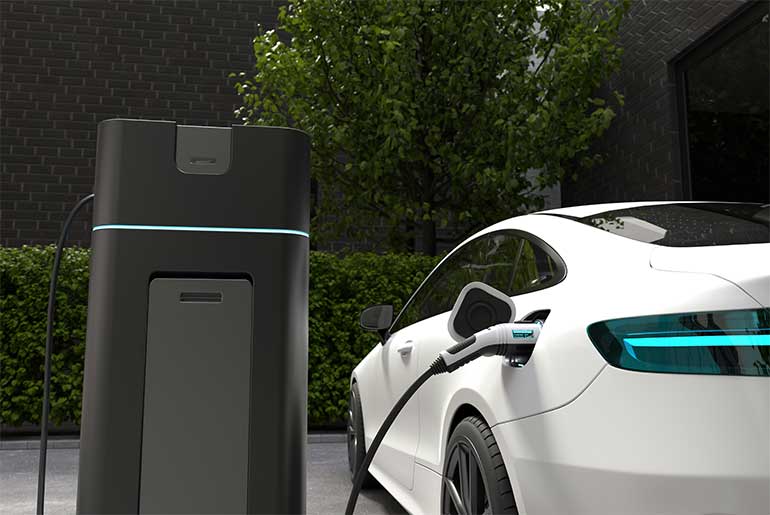
Charging infrastructure also received a boost as RoadGrid India secured ₹13 crore in financial assistance from the Technology Development Board (TDB) under the Department of Science and Technology (DST). The funding will support the commercialisation of the company’s patented Universal EV Charger and the establishment of a domestic manufacturing and assembly facility, contributing to India’s EV charging ecosystem.
Expanding India’s electric commercial vehicle market, Keto Motors launched the Urbanova KE9, a 9-metre electric bus designed for urban and institutional transport applications. The company also announced plans to invest ₹300 crore to expand its manufacturing capacity in Telangana, supporting future production and market expansion.
Meanwhile, Ather Energy said it will prioritise scaling its newly introduced EL scooter platform before entering the electric motorcycle segment. According to CEO Tarun Mehta, the company’s electric motorcycle plans remain more than two years away as it focuses on strengthening its existing product lineup.
In the battery manufacturing segment, Exide Industries confirmed that its battery cell localisation project with Hyundai and Kia has been delayed. However, the company stated that the commercial rollout of its lithium-ion gigafactory in Bengaluru remains on track, with production activities progressing according to schedule.
The latest announcements highlight continued investments across vehicle manufacturing, battery technology, charging infrastructure, and domestic production. As India accelerates its transition toward clean mobility, these developments are expected to strengthen the country’s EV battery value chain while supporting the government’s vision of expanding electric mobility and advanced battery manufacturing.
 Electrify your feed! Click here to join our Whatsapp group and to get the latest updates, expert insights, and innovations driving India’s energy storage revolution.