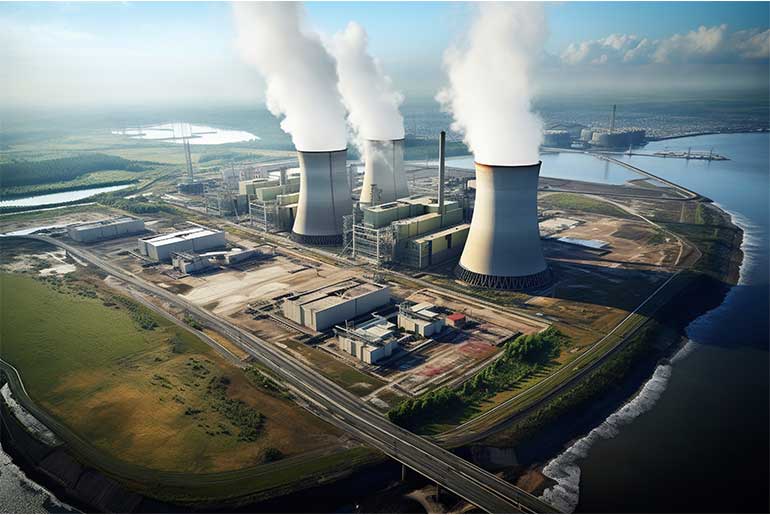
Jindal Power Ltd (JPL), the industrialist-owned company of Naveen Jindal, has entered into a deal to purchase the 1,350 MW Jhajjar power project in Haryana of Apraava Energy (previously CLP India). The official deal value has not been disclosed but the industry sources estimate it to be around ₹4,000 crore.
The media reports that JPL had already established itself as the acquirer of choice after signing an exclusivity agreement with Apraava to negotiate on a bilateral basis. The company was competing with Czech-based Sev.en global investments over the asset. The deal, which is expected to be finalized within a month, follows the JPL strategy to increase its base-load power portfolio at the same time when the thermal energy demand continues.
Axis Capital and HSBC were the advisors who assisted Apraava in the sale. In the recent past, the Board of Directors of Jhajjar Power Limited, which is a subsidiary of Apraava Energy, approved the transfer of its fully paid-up share capital to Jindal Jhajjar Power Limited, which is a wholly owned subsidiary of Jindal Power. According to a filing made in the stock exchange, the two Apraava entities, Apraava renewable energy private limited and Kohima-Mariani transmission limited, are part of the proposed deal.
Apraava Energy is a 50-50 joint venture between Hong Kong-based CLP Group and the Canadian pension fund CDPQ with a diversified portfolio of close to 3000 MW of fossil and renewable-powered assets. In 2012, one of the first supercritical thermal power stations to be built in India was the Jhajjar project, at a price of approximately USD 1.2 billion. It provides 90 percent power to Haryana power utilities and the rest of the power is sold to the Tata power trading company. It is worth noting that the plant was also the pioneer in the National Capital Region (NCR) to use flue gas desulphurisation (FGD) technology to reduce emissions.
In the case of Jindal Group
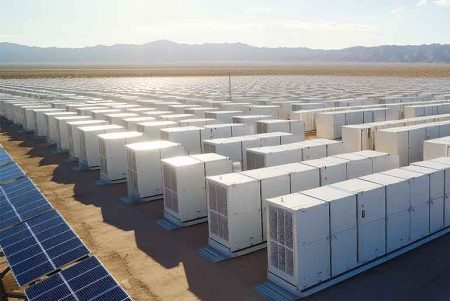
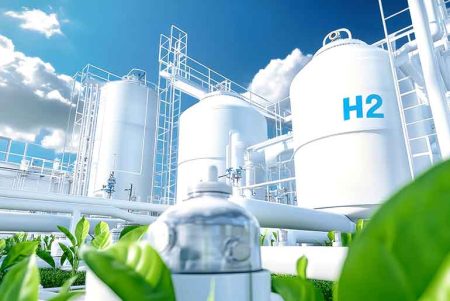
This takeover provides a significant bulk to its existing 4,300 MW of operating thermal power in Chhattisgarh, Maharashtra and Andhra Pradesh. At the same time, the company has a bold clean energy transition strategy, aiming at 12 GW of renewable energy power (including energy storage and green hydrogen) by 2030.
 Electrify your feed! Click here to join our Whatsapp group and to get the latest updates, expert insights, and innovations driving India’s energy storage revolution.