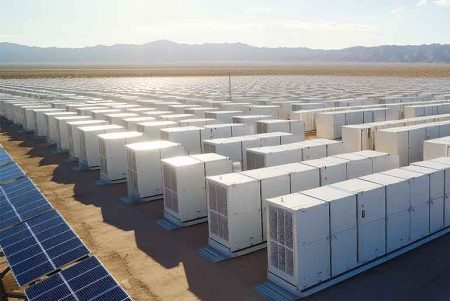
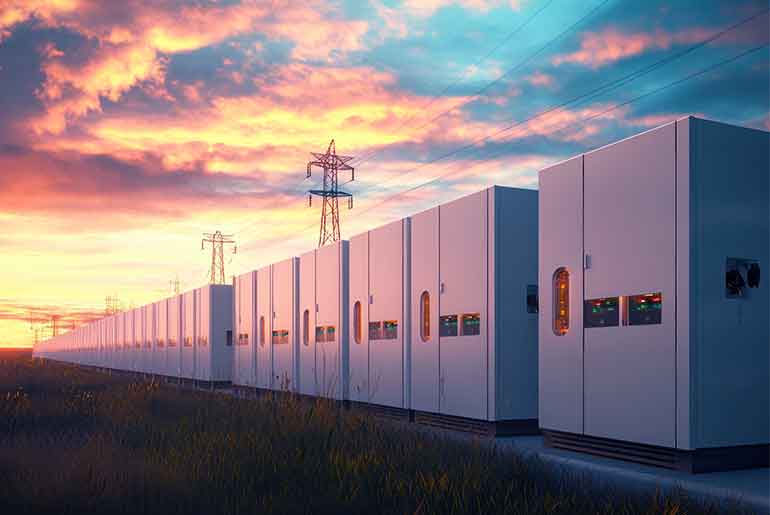
India has reached a significant stage in its goals to use clean energy by completing the connection of a 180MW/360MWh standalone BESS project from Kehua to the electricity grid. This project is now becoming known as one of India’s largest standalone grid-tied utility-scale battery energy storage projects.
The large-scale storage facility has been commissioned to strengthen grid reliability, support renewable energy integration, and improve power stability during peak demand periods. Kehua supplied 192 units of its advanced 1.25MW Power Conversion Systems (PCS) for the project.
As per reports, PCS technology is designed to function properly under extreme environments, including operating temperatures of up to 51 Celsius. The systems are also compliant with India’s latest Central Electricity Authority (CEA) standards and support critical grid services such as fast frequency response and voltage regulation.
The project marks a significant development for India’s rapidly expanding energy storage sector, especially as the country continues to increase renewable energy capacity. Industry experts believe standalone BESS projects will play a vital role in balancing intermittent renewable power generation from solar and wind sources.
Reports further indicate that the project in Gujarat was jointly developed by IndiGrid and EnerGrid, with Gujarat Urja Vikas Nigam Limited serving as the off-taker. The project forms part of Gujarat’s broader energy storage expansion programme aimed at improving grid flexibility and enabling greater renewable energy penetration.
Kehua stated that the successful commissioning highlights its expertise in grid-forming energy storage technologies and reinforces its growing presence in the Indian renewable energy market.
 Electrify your feed! Click here to join our Whatsapp group and to get the latest updates, expert insights, and innovations driving India’s energy storage revolution.