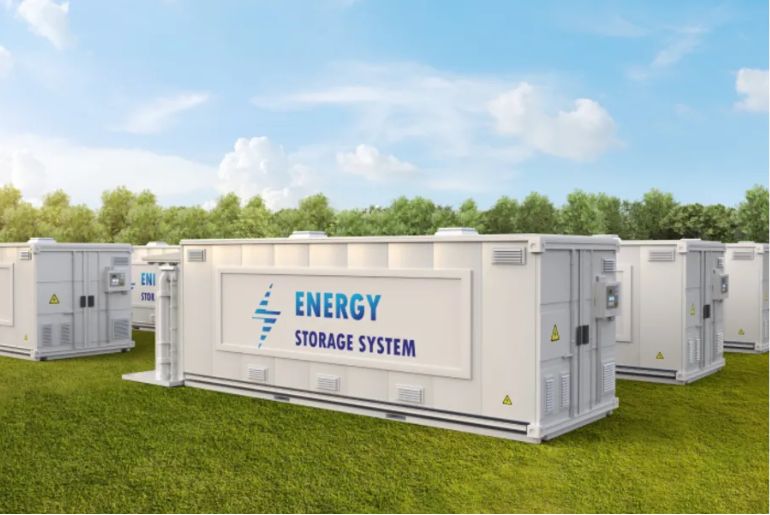
Mexico has officially added battery energy storage systems (BESS) to the list of things that must be included in a Social Impact Assessment (SIA). The Ministry of Energy (Sener) published the 2026 Energy Sector Social Impact Assessment guidelines (MISSE) in the Official Federal Gazette. For the first time, battery storage projects will go through a structured social review. This will change how projects are planned, funded, and carried out all over the country.
Capacity-Based Classification
The new MISSE guidelines create a tiered system based on how much storage is already in place, measured in megawatt-hours (MWh). Bigger projects will have to follow stricter rules:
Format A – Applies to smaller BESS projects. Developers must identify the area of influence, describe the surrounding environment, outline potential impacts, and suggest standard mitigation measures. The process is streamlined for projects with limited territorial impact.
Format B – Aims at projects of medium size. Requirements include defining direct and indirect influence areas, conducting stakeholder mapping, performing structured impact analysis, and submitting a Social Management Plan with measurable targets, indicative budgets, and monitoring indicators.
Format C – Covers projects exceeding 250 MWh. These projects face the most rigorous review, similar to large power generation facilities, impacting permitting timelines, project structuring, and execution schedules.
Social Management Plan Drives Project Economics
Because of the MISSE framework, the Social Management Plan is the most important part of project planning. It should include yearly estimates of how much money will be needed, benefits for the whole community, and ways to track progress. This means that developers need to think about the costs of social impact in both CAPEX and OPEX from the start of the design process.
In regions with indigenous or Afro-Mexican populations, a Prior Consultation may also be required, making site selection a strategic decision with regulatory, territorial, and social considerations. Projects may be suspended or approvals revoked if compliance is not met, especially for battery systems providing critical grid services like backup power and frequency regulation.
Setting a Global Benchmark
Mexico’s approach represents a global benchmark, as social impact is now formally incorporated into battery storage regulation. Unlike many countries that focus primarily on technical or environmental aspects, the MISSE guidelines introduce a capacity-based, structured social assessment model tailored to BESS.
For example, Queensland, Australia, requires Social Impact Assessments and Community Benefit Agreements for storage projects over 50 MW, but they don’t have tiered capacity levels or MWh-based segmentation. This makes Mexico’s policy very detailed.
 Electrify your feed! Click here to join our Whatsapp group and to get the latest updates, expert insights, and innovations driving India’s energy storage revolution.