As India accelerates its shift to electric mobility, battery swapping and charging infrastructure have become essential pillars—especially for the two- and three-wheelers enabling last-mile connectivity. Shri Nitin Gadkari, Minister of Road Transport & Highways recently highlighted how EVs, including e-rickshaws, are creating sustainable livelihoods and transforming urban transport.
But the monsoon season brings its own challenges—like water damage, power risks, and service disruptions. With many regions receiving 300–650 mm of rainfall, it’s important for both battery swapping and charging station operators to proactively weather-proof their setups.
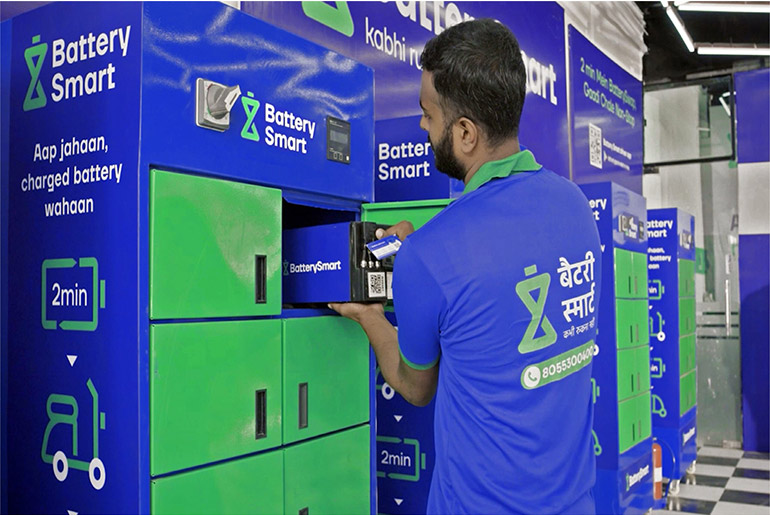
At Battery Smart—India’s leading battery swapping network—standard operating procedures (SOPs) have been developed to help station partners get monsoon-ready. These cover everything from electrical safety and staff training to protection from water ingress.
Here are 5 practical tips to help battery swapping and charging station operators in Tier 2 and 3 cities maintain safe and seamless operations this monsoon:
1. Conduct Pre-Monsoon Infrastructure Readiness Checks
Before the onset of the monsoon, do a full inspection of the station. Operators must check for loose electrical connections or exposed wires, inspect gaps in weatherproofing—particularly around DB boxes and cable conduits.It is equally important to clean rooftop drain pipes, gutters, and sumps to prevent overflow and seepage.
2. Drainpipess and Equipment Safe During Heavy Rain
In areas prone to waterlogging or inadequate drainage, even moderate rainfall can disrupt operations. To mitigate these risks, operators should mark and prepare a dry area to temporarily store exposed batteries. All electrical components such as chargers, inverters, and switchgear should be elevated to prevent contact with water. During storms, shutters must remain closed to avoid water ingress. Additionally, elevating the station platforms by at least six inches in flood-prone zones can help minimize damage. Most importantly, if water starts collecting at the site, switch off the main power immediately.
3. Inspect and Strengthen Electrical Systems to Prevent Hazards
Operators should ensure that e-rickshaw batteries are securely mounted using iron base plates, and rain covers should be used when transporting them. Regular checks of wiring, connectors, and switchgear are essential to catch early signs of wear or damage. Any signs of wall seepage or dampness must be addressed immediately, and the main power should be turned off before beginning repairs. It is also critical to verify that proper earthing is in place at every station to prevent electrical faults.
4. Equip and Train Field Staff for Rainy Conditions
Staff must be well-prepared to manage monsoon-related risks. Essential safety gear—such as rubber gloves, waterproof footwear, and insulated mats—should be readily available at all sites. Clear safety instructions should be displayed in local languages to ensure easy understanding for both staff and users. Regular training, especially for semi-skilled personnel in smaller towns, is key to building awareness and preparedness, helping them respond confidently to situations like short circuits, equipment failures, or water-related incidents.
5. Manage Water Flow Around the Station
Install sloped strips or rain guards at the doors to prevent rainwater from entering the station. Seal any gaps around AC units, exhaust fans, or wiring pipes. Keep the area outside the station free from waterlogging or potholes. If needed, use sandbags or bricks to divert the flow of water. In high-risk areas, consider temporarily halting operations or relocating equipment. Don’t neglect the surrounding areas of the station. It’s equally important to keep the areas around electrical equipment like MCBs and chargers clean to prevent water accumulation, as it can pose serious safety risks.
With the right practices in place, India’s clean mobility infrastructure can remain resilient, even in the toughest weather conditions. Proactive steps—like weatherproofing infrastructure, training field staff, and maintaining regular safety checks—can help both battery swapping and EV charging stations operate smoothly and safely.
About Battery Smart:
Battery Smart is India’s largest and fastest-growing battery-swapping network for electric two and three-wheelers. The company was co-founded by IIT-Kanpur graduates Pulkit Khurana and Siddharth Sikka in 2019 – to make EV adoption simple, economical, and accessible through a unique partner-led model. Battery Smart has completed over 75 million+ battery swaps, set up 1500+ swap stations, and works with over 70,000+ drivers across 50+ cities. For more information, please visit: https://www.batterysmart.in/
 Electrify your feed! Click here to join our Whatsapp group and to get the latest updates, expert insights, and innovations driving India’s energy storage revolution.