New South Wales has unveiled the largest renewable energy procurement in its history, launching a combined tender for 2.5 GW of new renewable generation capacity and 12 GWh of long-duration energy storage under its Electricity Infrastructure Roadmap. The initiative is designed to accelerate the state’s transition toward cleaner energy while strengthening future grid reliability through large-scale storage integration.
The twin tenders will be managed by AUS Energy Services, the state’s independent consumer trustee overseeing the procurement process.
NSW Accelerates Renewable Energy Buildout
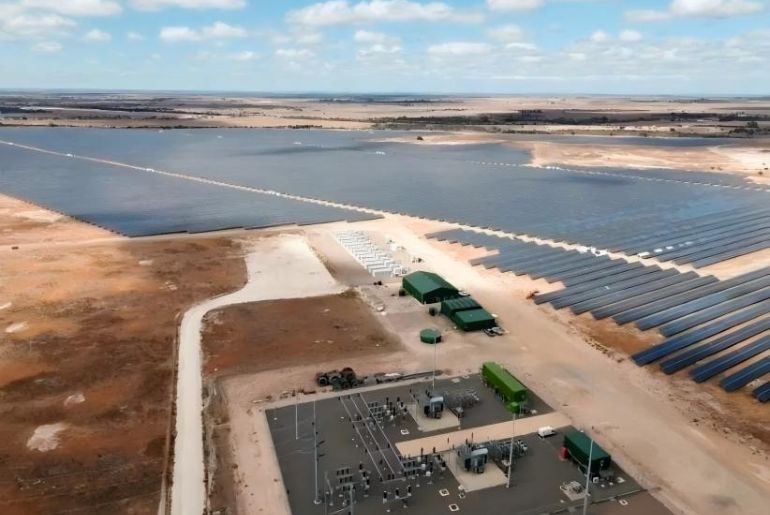
Tender 8 is aimed at securing enough renewable generation capacity to supply electricity to nearly one-third of households across NSW. The state government said the initiative would help NSW move closer to achieving its target of 12 GW of renewable energy generation capacity by 2030.
According to the state’s roadmap projections, the successful completion of the tender could allow NSW to reach nearly 90 percent of its 2030 renewable generation target. The projects selected through the process are expected to be finalised by late 2026.
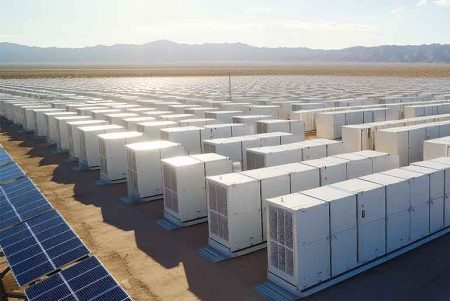
Alongside the renewable energy procurement, Tender 9 seeks 12 GWh of long-duration energy storage capacity, significantly expanding the state’s planned storage pipeline beyond previously established 2030 and 2034 targets.
The storage tender is intended to strengthen grid reliability by ensuring renewable energy generated during periods of high output can be stored and dispatched when electricity demand rises.
Hybrid Solar, Wind and Battery Projects Gain New Pathway
A major feature of Tender 8 is the introduction of a new Hybrid Generation Long-Term Energy Service Agreement (LTESA), designed to support integrated renewable energy and battery storage projects.
The framework allows developers to combine solar or wind generation with battery energy storage systems within a single project structure.
The introduction of the Hybrid LTESA follows consultations conducted earlier this year on mechanisms to better accommodate hybrid renewable energy projects and battery storage integration.
State officials said the combined renewable generation and storage procurements are intended to lower electricity costs while improving power system reliability.
Projects capable of commencing commercial operations before the end of 2029 are expected to receive favourable consideration during the assessment process.
Wind and Hybrid Projects Expected to Benefit
The tender structure is expected to favour projects capable of generating electricity during non-solar periods, particularly wind and hybrid renewable-storage developments.
 Electrify your feed! Click here to join our Whatsapp group and to get the latest updates, expert insights, and innovations driving India’s energy storage revolution.