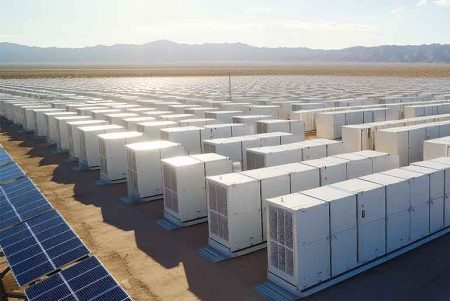
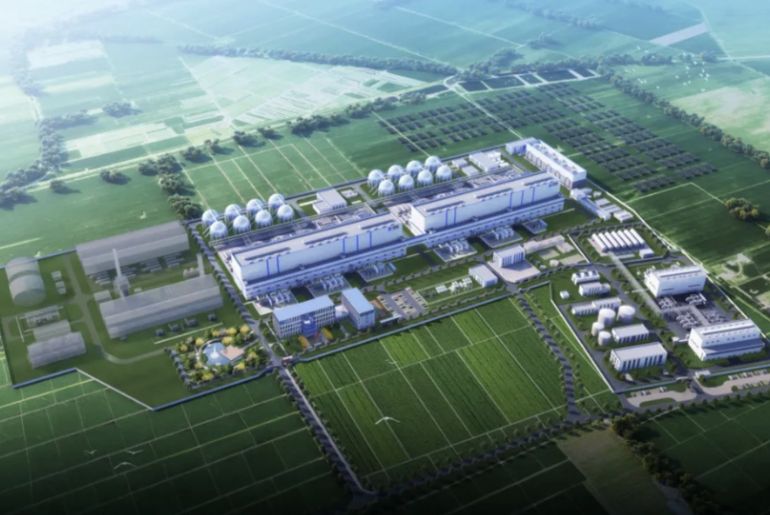
NTPC Limited, the largest power utility in India, has issued an Expression of Interest (EoI) for the development of a first-of-its-kind 1 GWh Long Duration Energy Storage System (LDES). The proposed LDES will be based on compressed air and liquefied air technology. This is another step taken by NTPC to ensure a stable power grid and the integration of renewable energy.
Project Scale and Technical Scope
The EoI outlines the development of a cumulative storage capacity of 1 GWh, split into two distinct sub-projects:
- A 200 MWh facility (25 MW × 8 hours)
- An 800 MWh facility (100 MW × 8 hours)
NTPC has specified that the window for submission of interest from technology providers, developers, and system integrators is open until February 23, 2026. As part of its support for the project, NTPC will provide the required land on a lease basis for the installation and commissioning of the systems.
Strategic Objectives and R&D Progress
Recognizing the critical role of LDES in modern grids, NTPC is diversifying its technological portfolio. The company noted:
“Recognising the need for long-duration energy storage, NTPC has been actively exploring various LDES technologies. In this context, NTPC had earlier issued a global Expression of Interest in November 2022 to establish a pilot Long Duration Energy Storage System.”
Based on this initiative, CO2-based energy storage was found to be a feasible area. As of now, NTPC is working on a 160 MWh CO2-based project at Kudgi to acquire operational experience. In addition to this, its R&D division has already successfully demonstrated a pilot plant based on Vanadium Redox Flow Battery (VRFB) technology.
Project Implementation Models
To ensure techno-commercial viability, NTPC is exploring four distinct implementation frameworks for this 1 GWh venture:
- EPC + O&M: Contractor is responsible for construction and operation and maintenance; NTPC retains ownership.
- Build, Own, Operate (BOO): Developer finances and operates the facility and sells storage capacity to NTPC.
- Build, Own, Operate & Transfer (BOOT): Developer operates the facility for a concession period and then transfers it to NTPC.
- Shared / Hybrid Model: Joint investment and operation responsibility between NTPC and the developer.
The applicants are expected to provide detailed information regarding the estimated capital investment, cost breakup of major components, and a tentative project schedule to help NTPC understand the prevailing market scenario.
 Electrify your feed! Click here to join our Whatsapp group and to get the latest updates, expert insights, and innovations driving India’s energy storage revolution.