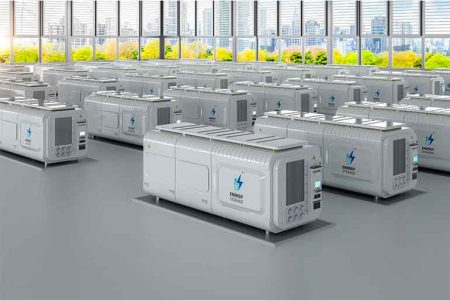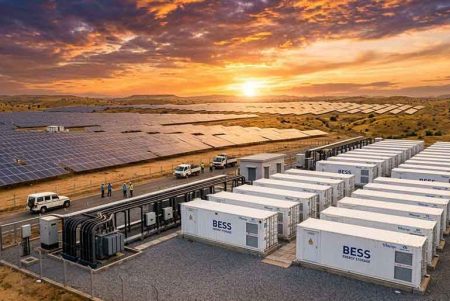

Peak Energy, a U.S. company specializing in affordable grid-scale energy storage, has partnered with General Motors (GM) to develop next-generation sodium-ion batteries for energy storage systems. An investment from GM Ventures backs the collaboration. It will combine Peak Energy’s cooling technology with GM’s battery expertise to create cost-effective and reliable battery solutions for power grid applications.
Under the partnership, GM will develop the sodium-ion cell in its Michigan battery labs and retain exclusive manufacturing rights, while Peak will incorporate the cell into its proprietary energy storage systems. This leapfrog technology will strengthen American leadership and innovation in the rapidly growing energy storage market while solidifying Peak’s supply chain as its domestic manufacturing scales.
“Lowering the cost of energy is one of the most important issues facing America today. We are proud to develop an energy storage system that is safer, cheaper, and faster to deploy that any other technology on the market, enabling the U.S. to meet rapidly growing energy demand without saddling consumers with higher prices,” said Landon Mossburg, CEO and Co-Founder of Peak Energy. “The future of grid storage will be defined by affordability, reliability and American innovation. We’re thrilled to partner with GM to bring a better solution to the American energy economy.”
Most of today’s energy storage systems rely on lithium iron phosphate (LFP) batteries, which require active cooling systems to maintain safe operating temperatures. Peak Energy has developed a proprietary passively cooled sodium-ion battery system that eliminates the need for energy-intensive cooling equipment, helping reduce both complexity and operating costs.
According to the company, its sodium-ion technology can lower energy storage costs by around 20% compared with conventional battery systems while delivering more than 99% uptime. Peak Energy also estimates that widespread adoption of its passively cooled technology could reduce annual energy losses from battery storage in the United States by up to 2 TWh, enough electricity to power a medium-sized city for an entire year.
 Electrify your feed! Click here to join our Whatsapp group and to get the latest updates, expert insights, and innovations driving India’s energy storage revolution.