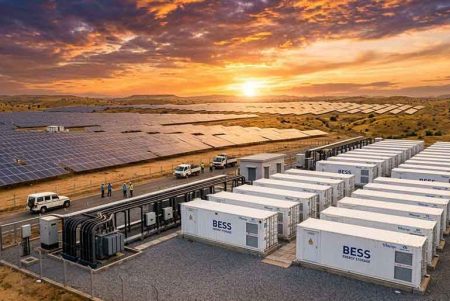
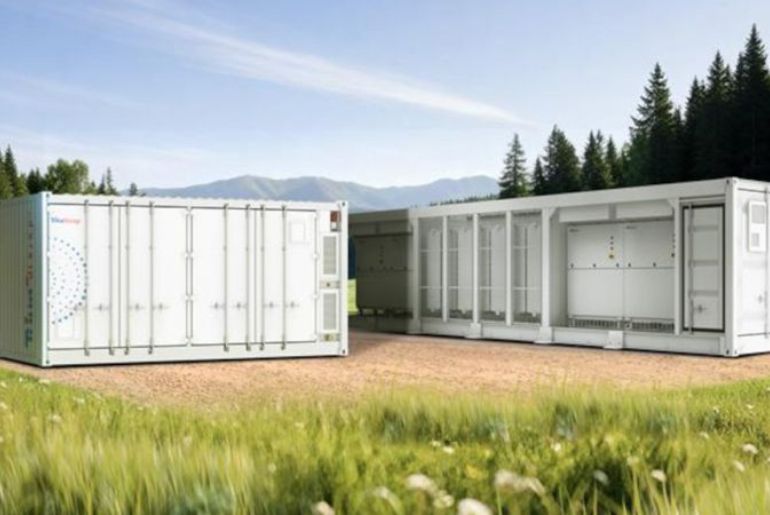
The Appellate Tribunal for Electricity (APTEL) has set aside the 2 GW / 4 GWh battery energy storage system (BESS) tender issued by Maharashtra State Electricity Distribution Company Limited (MSEDCL), citing post-bid changes in project conditions that were found to be inconsistent with fair procurement norms.
The ruling came after concerns were raised that certain critical project parameters were modified after the bidding process had concluded, which could have impacted competition and bid evaluation fairness. APTEL observed that such post-bid alterations undermine transparency and may distort the level playing field among participating developers.
The tender in question was part of Maharashtra’s broader plan to integrate large-scale battery storage into its grid infrastructure to support renewable energy absorption, peak load management, and grid stability. The 2 GW / 4 GWh project was among the larger standalone storage procurement initiatives in India, aimed at accelerating the deployment of utility-scale energy storage systems.
Industry stakeholders had closely watched the case, as it could set a precedent for future energy storage procurement frameworks in India. The ruling highlights the importance of maintaining strict adherence to bid conditions in emerging sectors like battery storage, where project economics and risk assumptions are highly sensitive to policy and contractual clarity.
The decision is expected to prompt procurers and regulators to revisit tender design practices, especially for complex infrastructure segments such as energy storage, renewable hybrid projects, and grid balancing assets.
Energy experts note that India’s battery storage market is still in its early stages, and regulatory certainty is crucial for attracting long-term investment. Clear and stable bidding frameworks are considered essential for scaling up the sector and achieving India’s ambitious energy transition goals.
The ruling reinforces the need for transparent procurement processes as India continues to expand its energy storage capacity to support its growing renewable energy portfolio.
To see the original document for more details follow the link :
 Electrify your feed! Click here to join our Whatsapp group and to get the latest updates, expert insights, and innovations driving India’s energy storage revolution.