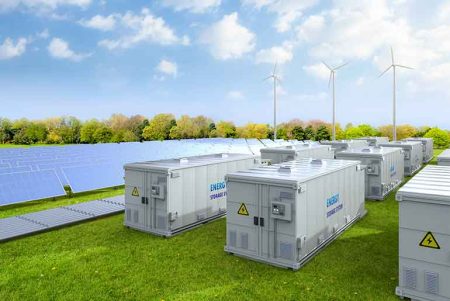
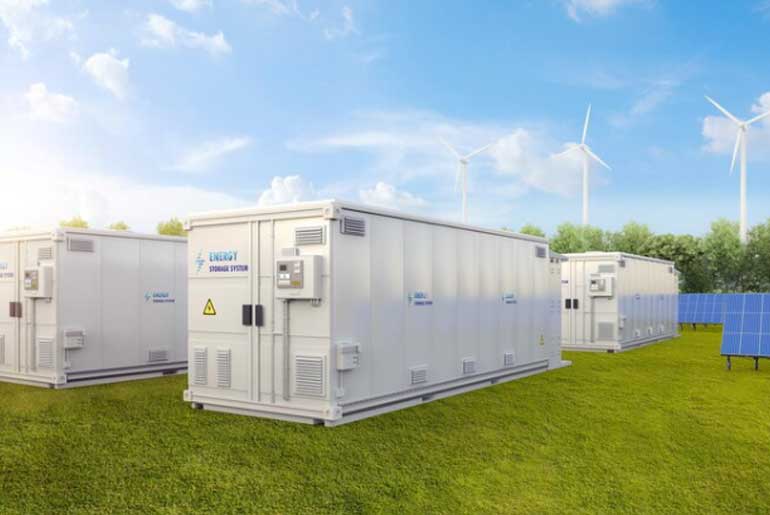
Defence Minister Rajnath Singh has approved the setting up of a 250 MW solar power project with an integrated Battery Energy Storage System (BESS) at Sitapur in Uttar Pradesh. The initiative marks a significant step toward strengthening energy security and advancing renewable energy use in the defence sector.
The project will be developed on around 850 acres of unused defence land at the former Sitapur Cantonment. It is the first large-scale solar power project with battery storage support to be built on defence land under the Ministry of Defence (MoD).
According to the Ministry of Defence, the project is designed to improve long-term energy security for defence installations while making optimal use of vacant defence land. It is also expected to reduce reliance on conventional power sources and generate considerable savings in electricity costs over its operational lifetime.
The 250 MW solar project will be executed by NTPC Limited through a competitive bidding process to ensure the best possible energy pricing and maximise savings for defence establishments.
The ministry said the initiative reflects the government’s focus on clean energy, sustainability, and efficient use of public assets. It is also expected to help meet the energy needs of the Armed Forces while supporting India’s broader renewable energy targets.
The implementation will be coordinated closely among NTPC, the Integrated Headquarters of the Ministry of Defence (Army), and the Directorate General Defence Estates (DGDE).
Officials added that the project brings together national security, energy security, technological innovation, and environmental sustainability. It is also seen as a model for future solar and energy storage projects on defence land across the country.
Once completed, the Sitapur Solar Power Project is expected to become one of the largest renewable energy installations on defence land in India and set a benchmark for solar-plus-storage systems in the defence sector.
The Ministry of Defence said all stakeholders will work in close coordination to ensure the timely completion of the project and maximise its long-term benefits for defence establishments and the government.
 Electrify your feed! Click here to join our Whatsapp group and to get the latest updates, expert insights, and innovations driving India’s energy storage revolution.