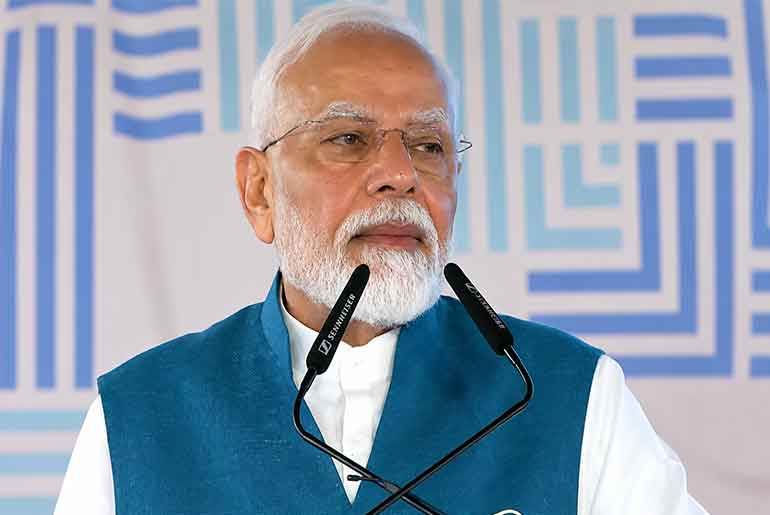
PM Narendra Modi laid the foundation stone for a 250 MW/500 MWh battery energy storage system (BESS) in Tamil Nadu on 11 October 2026, as part of a wider infrastructure development programme in the state. The project, being implemented by NLC India Renewables Limited, involves an investment of ₹737 crore and is expected to support electricity supply during peak-demand periods. Separately, the government has highlighted plans to invest approximately ₹17,000 crore to transform V.O. Chidambaranar (VOC) Port in Thoothukudi into a world-class mega container and green energy hub.
500 MWh BESS to Support Peak-Demand Management
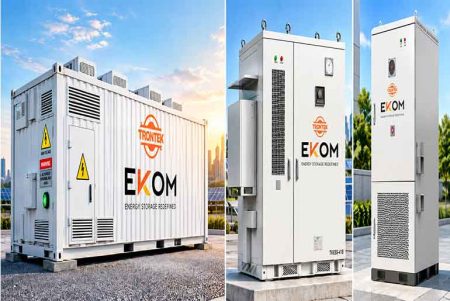
The BESS project comprises three standalone installations across Tamil Nadu.
- Anuppankulam in Virudhunagar district will host a 100 MW/200 MWh system,
- Ottapidaram in Thoothukudi district will host a 100 MW/200 MWh system,
- Kayathar in Thoothukudi district will accommodate a 50 MW/100 MWh installation.
Together, the three systems will provide 250 MW of power capacity and 500 MWh of storage capacity.
The project is designed to store electricity and discharge it when demand rises, particularly during morning and evening peak periods. Battery storage can help manage fluctuations in electricity supply, improve grid flexibility and enable greater use of renewable energy generated during periods of high solar or wind output.
NLC India Renewables is developing the project after securing the contract from Tamil Nadu Green Energy Corporation Limited (TNGECL) through tariff-based competitive bidding under the central government’s Viability Gap Funding (VGF) scheme. Under the arrangement, Tamil Nadu Power Distribution Corporation Limited will procure energy storage services through a long-term Battery Energy Storage Purchase Agreement. The project is intended to strengthen the state’s ability to integrate renewable electricity into its power system.
The 250 MW rating represents the system’s maximum power output, while the 500 MWh figure represents its energy storage capacity. These measures describe different aspects of the project and should not be treated as interchangeable.
₹17,000 Crore Investment for VOC Port
Alongside the storage project, the government has outlined a major development plan for VOC Port in Thoothukudi, with an investment of approximately ₹17,000 crore. The objective is to develop the port into a world-class mega container and green energy hub capable of accommodating ultra-large container vessels and supporting Tamil Nadu’s industrial and logistics growth.
During the visit, the Prime Minister also inaugurated a 2 MW solar power plant, a green methanol bunkering and refuelling facility, and four electric bus services at the port. He laid the foundation stone for a 3 MW green hydrogen manufacturing and refuelling station. These facilities are intended to advance cleaner energy use in port operations and strengthen the port’s role in emerging green maritime infrastructure.
The proposed ₹17,000 crore investment relates to the wider port transformation plan, not the BESS project. The two initiatives address different infrastructure needs: battery storage supports electricity management, while the port programme focuses on maritime capacity, logistics and green energy facilities.
Strengthening Tamil Nadu’s Energy Infrastructure
The BESS project adds to NLC India’s wider storage development portfolio, which also includes projects planned in Rajasthan, Gujarat and West Bengal. For Tamil Nadu, the installation is expected to help shift electricity from periods of surplus generation to periods of higher demand, supporting renewable energy integration and grid operations.
The storage project and VOC Port development form part of a broader push to strengthen Tamil Nadu’s energy and transport infrastructure. The impact of both initiatives will depend on timely execution, commissioning and the development of supporting power and port facilities.
 Electrify your feed! Click here to join our Whatsapp group and to get the latest updates, expert insights, and innovations driving India’s energy storage revolution.