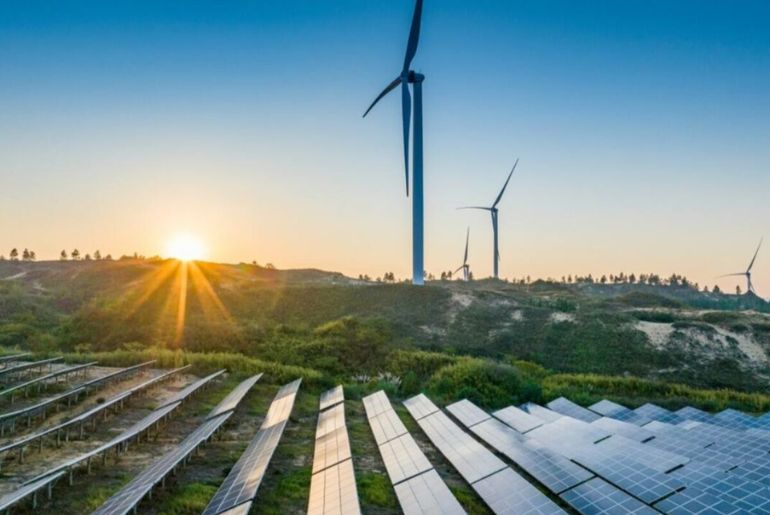
Saudi Arabia is making rapid strides in its renewable energy transition, with significant progress reported by the Ministry of Energy by the end of 2025. The Kingdom has tendered a total of 64 gigawatts (GW) of renewable energy capacity to date, underscoring its ambitious clean energy goals. Notably, 20.6 GW of projects were tendered in 2025 alone, reflecting a strong momentum in renewable project development over the past year.
By the end of 2025, approximately 12.3 GW of renewable energy capacity had been successfully connected to the national grid. This progress is helping to diversify Saudi Arabia’s power mix and reduce dependence on conventional fossil fuels, supporting the Kingdom’s long-term energy security and sustainability objectives.
Energy Storage Gains Focus
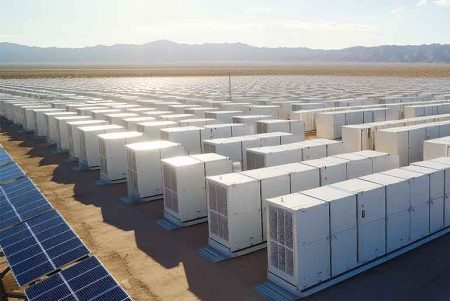
Alongside solar and wind, battery energy storage systems (BESS) are emerging as a strategic priority. The Ministry reported that 30 GWh of BESS projects have been tendered to date, with 8 GWh already operational and connected to the grid. These storage systems enhance the integration of variable renewable power, strengthen grid stability, and enable more reliable electricity supply across the Kingdom.
Setting Global Cost Benchmarks
Saudi Arabia has achieved world-leading cost milestones in renewable energy:
- The 1.5 GW Dawadmi Wind Power Project set a new world record for wind power tariffs at 1.33 US cents per kilowatt-hour (kWh).
- The 1.4 GW Najran Solar Power Project achieved the world’s second-lowest solar tariff at 1.09 US cents/kWh, following Shuaibah 1, which holds the record at 1.04 US cents/kWh.
These achievements highlight Saudi Arabia’s growing competitiveness in the global renewable energy market, demonstrating its ability to attract investment for large-scale clean energy projects.
With accelerated project tendering, grid integration, and energy storage deployment, Saudi Arabia is poised to become a global leader in renewable energy. Continued focus on cost efficiency, large-scale deployment, and storage solutions will further drive the Kingdom’s clean energy transition and reinforce its leadership in sustainable power generation.
 Electrify your feed! Click here to join our Whatsapp group and to get the latest updates, expert insights, and innovations driving India’s energy storage revolution.