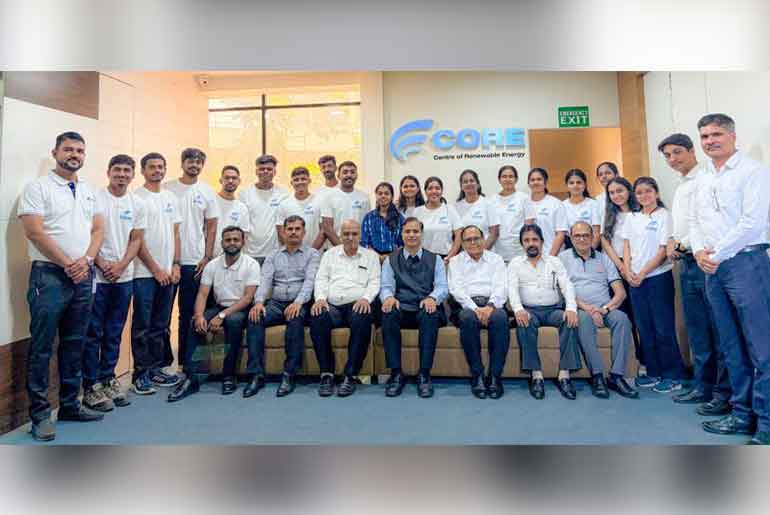
In a major step to strengthen its green energy workforce, Tata Power has officially appointed the Centre of Renewable Energy (CORE)—the training arm of the POWERCON Group—to lead a high-level upskilling program for its technical teams.
This partnership, announced in mid-April 2026, aims to solve one of the biggest challenges in the industry: the shortage of highly skilled engineers who can handle the complex world of wind turbine Operations and Maintenance (O&M).
Bridging the Skills Gap in the Wind Sector
India is well on its way to fulfilling its ambitious goals of generating 500 GW of renewable energy by 2030, and the wind sector will play a crucial role. Estimates from industry experts suggest that, in order to reach that target, an additional 150,000 skilled workers will be needed in the wind sector by the end of this decade.
Tata Power, which is rapidly expanding its clean energy portfolio, is moving ahead of the curve by ensuring its “boots on the ground” are trained to the highest international standards.
The program isn’t just a standard classroom course. It follows a unique “three-layer sandwich” model that blends deep theory with gritty, real-world experience:
- Layer 1: Detailed classroom sessions covering safety, turbine architecture, and the “Balance of Plant” (BoP) functions.
- Layer 2: Intensive, hands-on field exposure where trainees work directly on operational wind sites.
- Layer 3: High-level technical training focused on component-level troubleshooting, data analytics, and remote command center management.
Technological Edge and Industry Standards
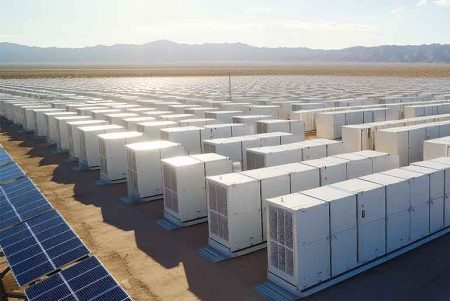
The trainees will get access to some of the most advanced facilities in the country, including the Centre for Engineering Excellence (CFEE) for turbine control simulations and the Energy Studio, which is an international hub for monitoring multi-GW portfolios of wind, solar, and Battery Energy Storage Systems (BESS).
What makes this partnership special is that CORE’s curriculum is built by engineers who have spent years in the field. Col. (Dr.) Bharat Sharma mentioned that the academy is designed to produce “job-ready professionals” who can act as technical commandos. By aligning with the National Skill Qualification Framework (NSQF) and MNRE standards, the program ensures that Tata Power’s workforce is not just getting a certificate, but a globally recognized set of skills.
According to Paresh Sahasrabudhe, the company’s growth means that investing in their employees today will ensure that wind assets continue to operate efficiently, safely, and productively for a long time.
 Electrify your feed! Click here to join our Whatsapp group and to get the latest updates, expert insights, and innovations driving India’s energy storage revolution.