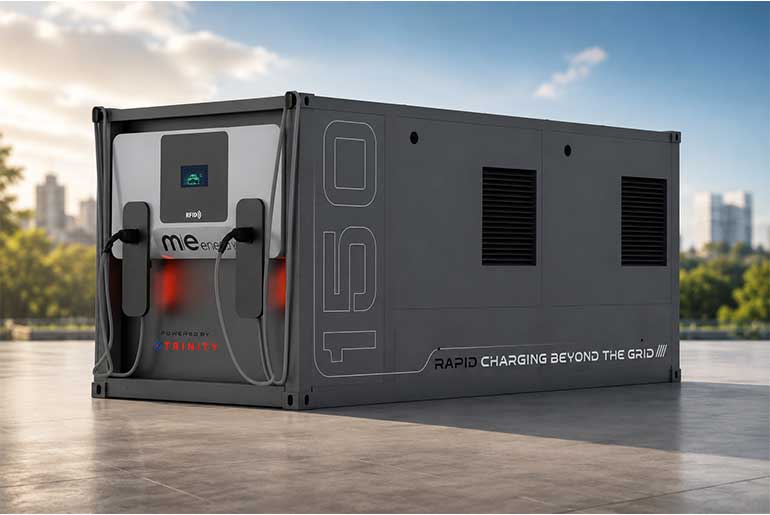
Trinity Cleantech is developing a bioethanol-powered generator set with integrated electric vehicle (EV) charging, targeting locations where grid connectivity is limited, unreliable, or unavailable.
The company is working on a mobile energy platform designed to combine electricity generation and EV charging within a single system. The technology is currently under development as Trinity Cleantech evaluates potential commercial applications.
The proposed generator will use bioethanol to produce electricity on demand, offering an alternative to conventional diesel-powered generators. The fuel can potentially be sourced from agricultural residues and surplus feedstock, creating another potential application for India’s expanding ethanol ecosystem.
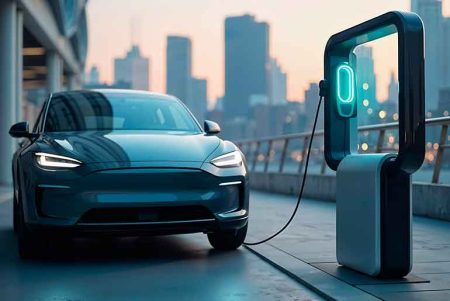
By integrating an EV charger into the generator platform, Trinity Cleantech aims to provide both backup power and vehicle charging from the same mobile asset. The approach could be particularly useful in locations where installing separate power-generation and charging infrastructure is difficult, expensive or impractical.
Potential applications include construction sites, mining operations, industrial facilities, defence installations, disaster-response operations and temporary field locations. The system could also support logistics operations and other applications requiring mobile electricity and EV charging.
Raj Kumar Medimi, Director, ThunderPlus, said the way electricity is generated and consumed is changing, particularly in areas where grid infrastructure cannot keep pace with operational requirements. He said the company is developing a platform capable of providing power and EV charging through a single mobile system using bioethanol as the energy source.
The company sees flexibility as a key advantage of the proposed platform. Instead of relying entirely on fixed charging infrastructure, operators could potentially deploy the generator and charger where electricity and mobility requirements emerge.
Trinity Cleantech is also exploring a lease-based deployment model that could lower the upfront investment required by customers. Under such an arrangement, the company could potentially manage equipment maintenance, monitoring and related operational requirements.
The generator and EV charger platform forms part of Trinity Cleantech’s broader clean-energy technology roadmap. Its manufacturing and technology operations at the Jadcherla Green Industrial Park in Telangana support the company’s product development activities.
For the battery and EV industry, the proposed technology highlights the potential for alternative fuels to complement electric mobility in areas where conventional charging infrastructure remains limited. Mobile charging systems can provide temporary or off-grid charging capacity while supporting the deployment of EVs in industrial and remote applications.
The project remains in the development stage, with Trinity Cleantech working toward commercialisation. If successfully developed, the bioethanol-powered platform could provide a flexible solution combining mobile power generation, EV charging and renewable-fuel utilisation, particularly for applications requiring dependable electricity away from established grid infrastructure.
 Electrify your feed! Click here to join our Whatsapp group and to get the latest updates, expert insights, and innovations driving India’s energy storage revolution.