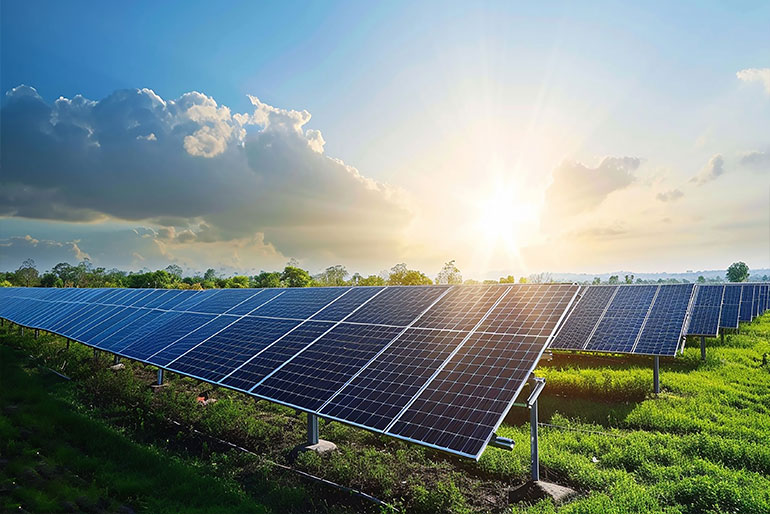
Adani Green Energy Limited (AGEL) has commissioned a 150 MW solar power project at Khavda in Gujarat, taking its total operational renewable energy generation capacity to 19,985.8 MW and bringing the company within touching distance of the significant 20 GW renewable energy milestone. The newly operational project has been developed by Adani Renewable Energy Eight Limited (ARE8L), a wholly-owned step-down subsidiary of AGEL.
According to the company, the decision to operationalise the project was taken on June 27, 2026, after receiving all necessary regulatory approvals and clearances. Commercial power generation from the plant commenced on June 28, 2026. The latest addition further strengthens Adani Green Energy Limited‘s position as India’s largest renewable energy producer and underscores its continued expansion in utility-scale clean energy infrastructure.
The solar project is located at Khavda in Gujarat’s Kutch district, where Adani Green Energy Limited is developing what is widely regarded as the world’s largest renewable energy park. Spread across nearly 538 square kilometres, the Khavda renewable energy park is expected to have a total generation capacity of 30 GW upon completion, integrating both solar and wind power technologies. The mega project has emerged as a cornerstone of India’s renewable energy ambitions and is expected to play a crucial role in supporting the country’s decarbonisation objectives.
With the commissioning of the 150 MW project, AGEL’s operational renewable portfolio now stands at 19,985.8 MW. The company also reported an operational Battery Energy Storage System (BESS) capacity of 3,366 MWh, highlighting its growing focus on energy storage solutions aimed at enhancing grid reliability and enabling greater renewable energy integration.
Energy storage is increasingly becoming an important component of AGEL’s renewable strategy as India expands the share of variable renewable energy sources such as solar and wind in its electricity mix. Battery storage systems help manage intermittency, improve grid stability and support round-the-clock renewable power supply.
The latest commissioning follows several recent capacity additions by the company. Earlier, AGEL had commissioned a 250 MW solar power project in Kadapa, Andhra Pradesh, further expanding its pan-India renewable energy footprint. The company has been steadily adding new solar, wind and hybrid projects as it moves towards its long-term growth targets.
AGEL has outlined an ambitious target of developing 50 GW of renewable energy capacity by 2030. The Khavda renewable energy park is expected to contribute a substantial share of this capacity. Once fully operational, the mega renewable complex is expected to generate enough clean electricity to power millions of households while significantly reducing carbon emissions.
The commissioning of the latest 150 MW solar project reinforces both Adani Green’s expansion strategy and India’s broader push towards achieving higher renewable energy penetration while strengthening energy security and sustainability goals.
 Electrify your feed! Click here to join our Whatsapp group and to get the latest updates, expert insights, and innovations driving India’s energy storage revolution.