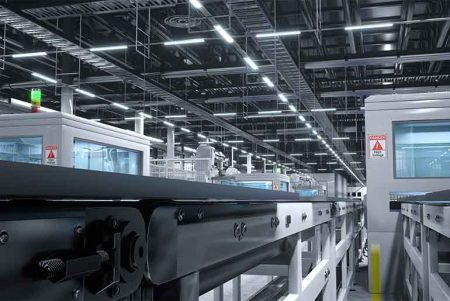

CATL has joined hands with several global technology and automotive companies to establish a global electric vehicle battery alliance during London Climate Action Week. According to CarnewsChina, the founding members of the alliance include Google, Xiaomi, BMW, Renault, and Volvo.
The newly formed platform aims to create a structured roadmap for the future development of battery management systems and vehicle lifecycle regulations.
“This alliance aims to build a sustainable and transparent development path for the entire global electric vehicle industry.”
The initiative will focus on developing a comprehensive framework for the Battery Circular Design Guidelines, which are expected to be released in 2027. The framework will establish standardized criteria for battery cell diagnostic testing, simplify battery pack disassembly processes, and support battery cell remanufacturing. It will also introduce structural evaluation standards applicable to both passenger electric vehicles and heavy-duty commercial vehicles.
A key objective of the alliance is to expand standardized procedures by evaluating battery operating history, degradation patterns, and remaining health indicators. By creating consistent lifecycle management standards, automakers and fleet operators will be better positioned to accurately assess asset values and effectively manage financial risks.
The Ellen MacArthur Foundation is leading a collaborative effort to promote cross-disciplinary cooperation and the alignment of business strategies with broader carbon reduction targets.
The report said emissions from raw material extraction and processing activities are still around five times higher than the emissions from core manufacturing operations.
To address this challenge, CATL has increased the use of recycled materials, achieving a 32% reduction in material-related carbon intensity.
In a global expansion strategy, the company has joined with Octopus Energy to establish a commercial electric vehicle infrastructure network across Europe, after earlier plans to bring battery swapping technology to the European heavy-duty truck market.
The project builds on technologies previously deployed along a 1,250-kilometer battery-swapping corridor established across domestic transportation routes last year.
Operational monitoring data indicate that about 1,000 efficiency-enhancing projects have helped reduce the emission intensity of CATL’s core manufacturing facilities by 77% since 2022. Last year, the company’s efforts to optimize production enabled it to achieve carbon neutrality in all core operations of its battery manufacturing facilities.
These standardized emission reduction measures are expected to ensure that future international exports of battery cells will continue to be fully compliant with the increasingly tight environmental regulations in Western markets.
 Electrify your feed! Click here to join our Whatsapp group and to get the latest updates, expert insights, and innovations driving India’s energy storage revolution.