In a move that could reshape the global battery industry, China’s Contemporary Amperex Technology Co. Limited (CATL), the world’s largest electric vehicle (EV) battery manufacturer, is increasingly shifting its focus toward energy storage systems.
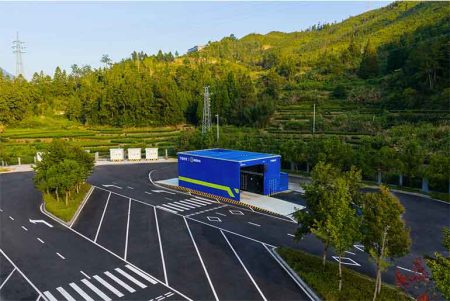
CATL aims to expand the share of its energy storage business from the current 25% of total sales to 50% by 2030. If achieved, batteries for grid-scale energy storage would become as significant as its EV battery business, marking a major strategic shift for the company.
Founded in 2011, CATL built its global leadership by supplying lithium-ion batteries to leading automakers. Just five years ago, energy storage contributed only 2% of the company’s revenue. Today, CATL holds a 30.4% share of the global energy storage market and has maintained the top position worldwide for five consecutive years.
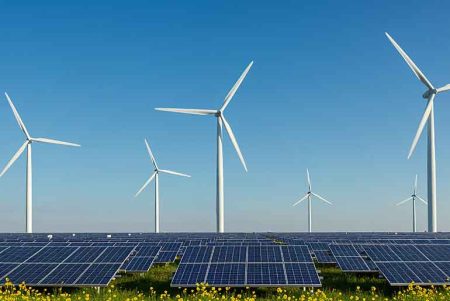
According to Kevin Tang, CATL’s Director of Energy Storage Systems for Europe, growing demand from power grids is driving this transition. As renewable energy sources such as solar and wind become more widespread, utilities require large-scale battery systems to balance fluctuating power generation and ensure grid stability.
Currently, EV batteries account for nearly three-quarters of CATL’s revenue. However, as the company prioritizes energy storage, automakers may face greater competition for battery supply. Industry observers suggest this could eventually lead to tighter battery availability and potentially higher costs for electric vehicles.
The shift is particularly significant for Ford Motor Company, which recently launched Ford Energy, a new business focused on grid-scale battery storage. The initiative will use CATL-licensed technology and plans to begin deliveries in 2027. As CATL expands its own energy storage operations, questions remain about how future technology licensing, battery pricing, and supply arrangements could evolve.
Meanwhile, changes are already being felt across the battery supply chain. South Korean battery manufacturer SK On recently dissolved its BlueOval SK battery joint venture with Ford and transferred control of several U.S. facilities amid weak EV demand and ongoing financial pressures.
While consumers and dealers may not notice immediate effects, CATL’s strategic pivot highlights the rapidly evolving battery market. The balance between EV production and energy storage deployment could play a crucial role in determining future battery availability, pricing, and the pace of the global energy transition.
 Electrify your feed! Click here to join our Whatsapp group and to get the latest updates, expert insights, and innovations driving India’s energy storage revolution.