In a significant step towards strengthening India’s clean energy infrastructure, the CEA has notified the Central Electricity Authority (Technical rulebook for Construction of Electrical Plants and Electric Lines) (Amendment) Regulations, 2026, introducing dedicated technical standards for renewable energy plants and Battery Energy Storage Systems (BESS).
The amendments strengthen the existing Technical Standards Regulations, 2022, and establish a comprehensive framework for the construction, safety, monitoring and operation of solar power plants, floating solar projects, onshore and offshore wind power plants and grid-scale battery storage systems.
The final regulations reflect public comments received on the draft regulations issued in October 2025. The amended standards will come into effect on April 1, 2027, giving developers, manufacturers and stakeholders time to prepare for compliance.
A New Framework for India’s Growing Renewable and Storage Sector
With India adding renewable energy capacity at a rapid pace, the need for strong technical standards has become more important than ever to ensure safe and reliable grid operations. New CEA regulations will provide uniform guidelines on design, quality of equipment, communication systems, safety requirements and grid integration.
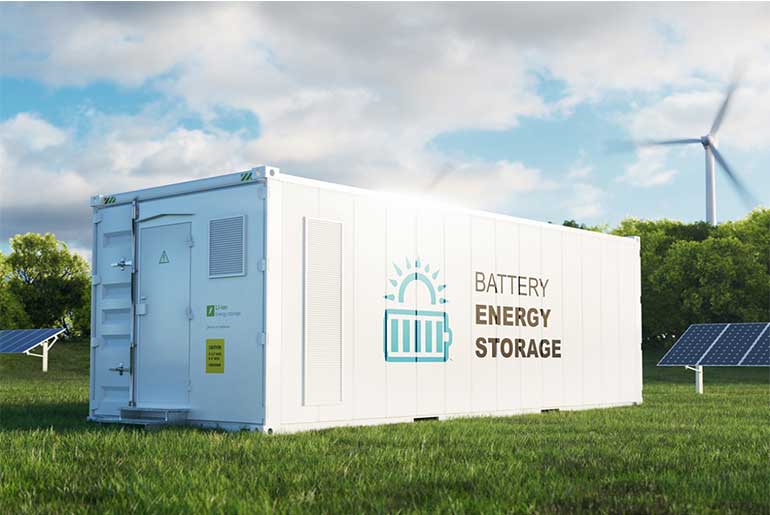
One of the more significant additions is the inclusion of certain standards for Battery Energy Storage Systems. The amendment defines important storage-related components such as battery containers, battery modules, battery racks, Battery Management Systems (BMS), Power Conversion Systems (PCS), State of Charge (SoC), State of Health (SoH), Depth of Discharge and C-rate.
These definitions are expected to bring greater technical clarity for future battery storage projects in India.
Stronger Safety and Performance Rules for BESS
For the first time, CEA has introduced a dedicated technical framework for the construction of Battery Energy Storage Systems.
The new standards cover important areas including battery containers, battery racks, modules, monitoring systems, power conversion equipment, operational performance, communication infrastructure, electrical protection and fire safety measures.
The framework aims to improve the safety and reliability of large-scale battery projects, which are becoming essential for managing renewable energy fluctuations and supporting grid stability.
Solar and Wind Projects Get Detailed Construction Standards
The amendment also specifies detailed technical requirements for solar power projects such as site selection, plant layout, photovoltaic modules, mounting structures, inverters, transformers, earthing systems, lightning protection, fire safety systems and control infrastructure.
Solar power plants shall have minimum design life requirement of 25 years.
The regulations also lay out guidelines for floating solar projects on water body assessment, floating structures, anchoring system, cable arrangements, environmental considerations, corrosion resistance and maintenance access.
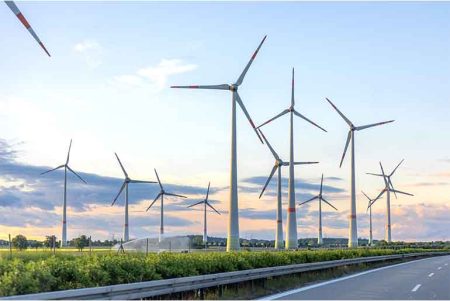
The regulations also establish construction requirements for onshore and offshore wind power projects.
Digital Monitoring and Smarter Grid Integration
The new rules beef up monitoring and communication requirements for renewable energy and storage assets.
Projects will require reliable communications networks, remote monitoring systems, SCADA compatibility, plant controllers, power quality monitoring and real-time operational data reporting.
Further, all renewable energy plants of 10 MW and above shall be required to install Automatic Weather Stations (AWS) as per the prescribed standards.
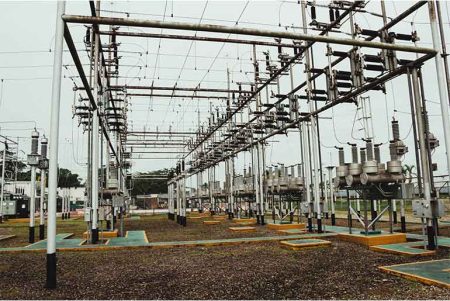
The regulations further focus on grid stability through protection systems, voltage management, reactive power control, cybersecurity requirements and compliance with CEA grid connectivity standards.
Supporting India’s Next Phase of Energy Transition
The CEA Amendment Regulations, 2026 mark an important milestone for India’s renewable energy sector by creating a common technical foundation for future clean energy infrastructure.
As India expands solar, wind and battery storage capacity, these standards are expected to improve project safety, operational reliability and long-term performance.
The introduction of dedicated Battery Energy Storage System standards highlights the growing importance of storage technologies in balancing renewable power generation and building a more flexible electricity grid.
 Electrify your feed! Click here to join our Whatsapp group and to get the latest updates, expert insights, and innovations driving India’s energy storage revolution.