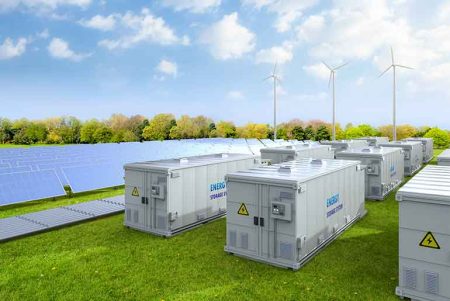
As we examine the current trend of the energy sector into 2026, we can easily see that solar energy usage will continue to increase rapidly. However, what is going to make solar energy really work for us is how we are able to store that energy and use it when we need it in the future. Therefore, solar energy storage has taken centre stage in terms of discussions. The way that a battery or fuel cell is used as a supplement for conventional power supply systems is no longer considered an added benefit; rather these technologies are essential components that will provide us with a dependable source of renewable, green energy on a day-to-day basis.
Companies and governments around the world are not just discussing more solar panels. The emphasis has obviously moved to full systems and solar for storage is clearly part of the picture. The key to how well renewable energy works is the ability to store solar energy is what is deciding how effective renewable energy can be.
Before going deeper into the trends, it helps to understand the current situation through real numbers. The global energy storage market is expected to reach around 78.3 billion dollars by the end of 2026, and within this, solar energy storage is growing strongly with a compound annual growth rate of about 15.7 percent. At the same time, according to Future Market Insights, the battery energy storage systems market alone is projected to reach nearly 81.6 billion dollars in 2026. These numbers clearly show that solar energy storage is not a small segment anymore. It is becoming a major industry on its own.
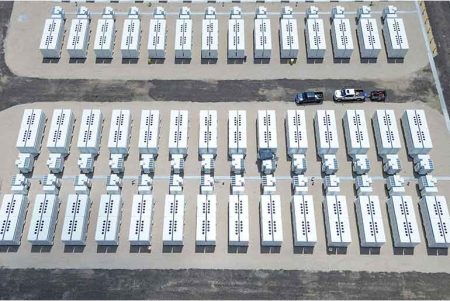
The pace of deployment is equally impressive. Global installations are expected to cross around 130 gigawatts and more than 350 gigawatt-hours in 2026, with some projections even suggesting that capacity could move beyond 450 gigawatt-hours. This kind of scale shows how quickly solar energy storage is being adopted to support the rising share of renewable energy.
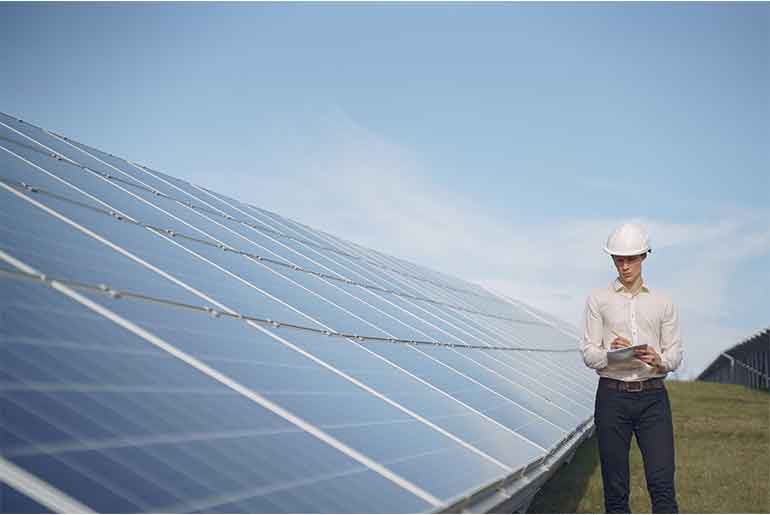
Technology is also improving at the same time. Solar panels themselves have become more efficient, moving from around 18 percent efficiency in 2020 to nearly 22 to 23 percent in 2026. This improvement is largely due to advanced cell technologies like TOPCon and HJT. When more energy is generated, the need to store that energy also increases, which directly pushes the demand for solar energy storage systems.
Another important shift is the use of artificial intelligence. Companies like Amazon and Engie are now using advanced cloud-based systems to predict weather conditions and manage how energy is sThe other change taking place is that businesses are using AI. Many businesses are now using advanced, cloud-based technologies to forecast weather patterns and how they intend to harness and store energy. They can make more informed decisions about when to charge or discharge their battery systems. Ultimately, the ROI from solar energy storage projects is projected to improve by approximately 10%-15% with AI. This indicates that the future of solar energy storage will be equally dependent upon hardware and smart software.
When you look at how solar energy storage is being used today, it is clear that its role has changed completely. Earlier, storage systems were mainly used as backup. Now they are becoming an essential part of the power system itself. In many regions, battery storage is replacing traditional power plants that were used during peak demand. Instead of relying on fossil fuels, stored solar energy is now being used to supply electricity when demand is high.
The major reason for this transition in the energy system is the unprecedented pace of growth in renewables. Today, approximately 34% of all global electricity production comes from renewable sources and only from solar alone, terawatt-hours (TWh) of solar will be generated during the course of 2020 alone. However, without the means to store solar energy, we must rely on other fossil fuels to fulfill our demand, since solar is not always available to provide electricity. Energy storage provides the opportunity for this problem to be solved efficiently.
Similarly, the method by which solar projects are developed continues to evolve. Large solar power facilities will soon be developed as integrated systems combined with battery storage systems rather than adding these facilities. More and more solar facilities will use this integrated design. This approach will reduce energy losses and allow for more stable/controlled electricity delivery. This will particularly help the industrial sector, as industries can more effectively manage their electric costs and potential disruptions to their operations.
There is also a third opportunity that has changed significantly in the year 2026; the emergence of intelligent storage solutions for solar power. Energy is now not only simply captured, but also optimised in terms of how it will be generated and how it will be harnessed post-production through Artificial Intelligence enabling automated decision-making about generating energy and when to distribute energy. This means the efficiencies associated with intelligent automation are enhancing the commercial attractiveness of solar energy storage to enterprises in the business market.
There is an observable technology transition taking place; Lithium Ion batteries are still the most commonly used battery technology (41.7% of total market share), but technology has started to evolve as of 2026. There will be new battery chemistries (sodium-ion and solid state batteries) that are scheduled to come into the market; their reasons for consideration include being safer, cost-effective and not reliant on easily exhausted raw materials. The progress of these emerging battery technologies has already been demonstrated in solar energy storage systems, providing confidence to the solar energy industry that they are preparing for the long-term continued evolution of solar energy storage technologies.
Another important factor driving the growth of solar energy storage is the rise of new energy demands. Data centres, especially those linked to artificial intelligence and cloud computing, are using a large amount of electricity. To manage this demand in a sustainable way, companies are turning towards solar energy storage. It helps them reduce their dependence on the grid and ensures a stable power supply even during high demand.
The Asia-Pacific area is the largest in the world with respect to the rate of expanding solar energy storage development, currently estimated at about 16.5%. Countries including China and India are directing an increasing amount of investment towards both renewable energy and storage systems. In the North American market, the rate of expanding development of these two sectors is rapid as well, as a result of various supportive government policies (e.g. Inflation Reduction Act) are driving more and more investment into both the clean energy and storage infrastructure sectors.
On the other hand, with all of this growth comes some challenges that cannot be overlooked. The availability of lithium and cobalt raw materials is still a matter of concern for India. Even though prices appear to have levelled off, the upfront price tag for solar energy storage systems remains staggering for many users. Policies of different regions also vary, which can slow down adoption. At the same time, recycling and disposal of batteries is becoming an important issue that needs attention and India is adapting to solve this issue too.
The future of solar energy storage development is projected to become increasingly significant. Within this development process, not only will there be a focus on producing energy but also utilizing that energy as efficiently as possible. New technologies, improved software and supportive policies will all play a role in supporting these changes. The solar energy storage systems will become more intelligent, flexible and extensively used in many different industries.
solar energy storage is what is making renewables work. Solar power remains constrained without it. It makes solar power a dependable and purposeful power source. In this cleaner energy trajectory, solar power storage is an integral factor that will determine how we generate, store and utilize electricity.
By 2026, it is clear that solar energy storage is not just supporting the energy transition. It is leading it.
 Electrify your feed! Click here to join our Whatsapp group and to get the latest updates, expert insights, and innovations driving India’s energy storage revolution.