The Indian government is implementing a planning and execution approach that prioritizes grid readiness, transmission expansion, and energy storage deployment as key elements for renewable energy (RE) growth and integration. These measures aim to achieve energy security while accelerating India’s energy transition.
Strengthening Transmission Infrastructure and Grid Operations
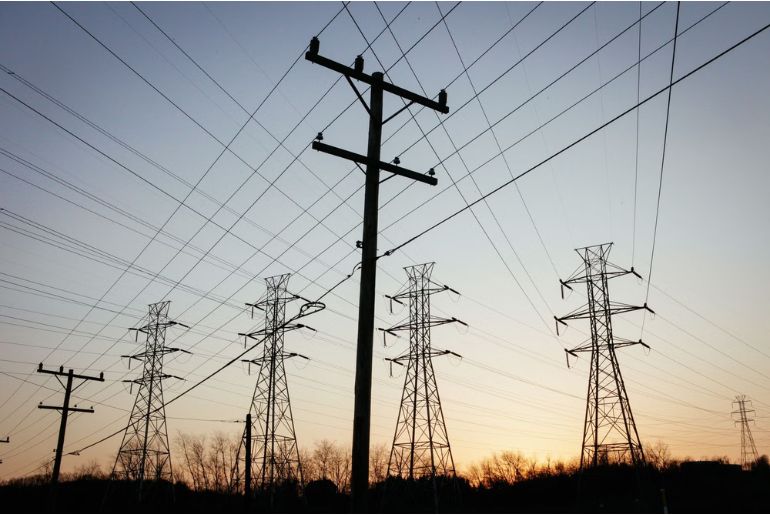
- Development of Inter-State Transmission System (ISTS) and Intra-State Transmission Systems (InSTS) for evacuation of renewable energy.
- Transmission system planned to integrate over 500 GW RE capacity by 2030.
- According to the National Electricity Plan (Volume-II Transmission):
- Transmission network to expand from 5.04 lakh circuit km (2026) to 6.48 lakh circuit km by 2032.
- Transformation capacity to rise from 1429 GVA to 2345 GVA.
- Inter-regional transmission capacity to increase from 120 GW (2026) to 168 GW by 2032.
- Green Energy Corridor (GEC) being implemented in ten states to evacuate 44 GW RE in two phases (GEC-I & GEC-II).
- High Voltage Direct Current (HVDC) links with bi-directional flow planned for efficient long-distance renewable power transfer.
- CERC regulations introduce solar-hour and non-solar-hour connectivity, promoting hybrid renewable projects (solar, wind, BESS).
- Central Electricity Authority (CEA) has notified technical standards for RE connectivity, and thermal generation is being flexibilized to handle RE variability.
- 13 Renewable Energy Management Centres (REMCs) established for real-time monitoring.
- NCMRWF and ISRO provide advanced meteorological data for better renewable forecasting and grid operation.
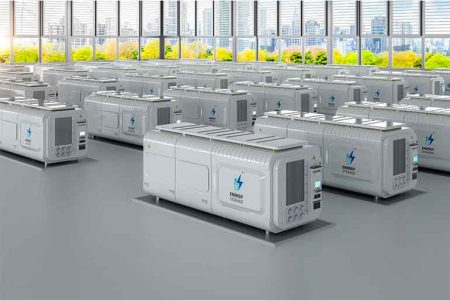
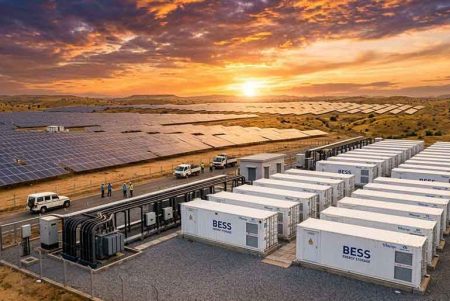
- Hybrid RE power plants, Battery Energy Storage Systems (BESS), and Pumped Storage Projects (PSPs) promoted for frequency support and managing RE variability.
Deployment of Smart Grid Technologies
- Devices like STATCOMs, SynCONs, and FACTS to improve voltage stability and system strength.
- Automatic Generation Control (AGC) and Ancillary Services (SRAS/TRAS) implemented for frequency regulation.
- SCADA systems sanctioned under RDSS for distribution networks covering 455 towns.
Development of Energy Storage Systems (ESS)
- ESS defined under Section 2(50) of Electricity Act, 2003.
- Two Viability Gap Funding (VGF) schemes planned for 43.8 GWh of BESS.
- 100% ISTS charge waiver for co-located BESS and PSPs commissioned till June 2028.
- TBCB guidelines issued for procurement of storage and dispatchable RE.
- PLI scheme of ₹18,100 crore to set up 50 GWh Advanced Chemistry Cell manufacturing, including 10 GWh for grid storage.
- Off-stream closed-loop PSPs exempted from CEA concurrence; revised DPR guidelines issued in November 2025.
- Budgetary support provided for enabling infrastructure (roads, transmission lines, substations, railway sidings, ropeways, communication systems).
“These measures will ensure a reliable, renewable-ready, and flexible grid to support India’s clean energy transition,” said Shri Shripad Naik, Minister of State, Ministry of Power, in a written reply to the Rajya Sabha.
 Electrify your feed! Click here to join our Whatsapp group and to get the latest updates, expert insights, and innovations driving India’s energy storage revolution.